In this article
- Myth: Halwa puri is forbidden during weight loss
- Myth: You have to skip dinner or breakfast first to earn it
- Myth: You must remove either the puri or the halwa
- Myth: Adding chana makes the meal automatically balanced
- Myth: You need an exact calorie count to make a good choice
- Myth: A big breakfast means the whole day is ruined
- Myth: One weigh-in after breakfast tells you whether you gained fat
- Myth: You need a perfect plan to keep making progress
- Conclusion: How to eat halwa puri breakfast while trying to lose weight
Want a plan built around your job and desi food? Try 1:1 online coaching with Coach Usman.
If you are asking how to eat halwa puri breakfast while trying to lose weight, start with this: one breakfast does not decide your progress. Your usual eating and activity patterns over time matter more than whether you have one traditional meal. You do not need to skip meals beforehand, avoid halwa puri forever, or punish yourself afterwards.
A helpful plan is simple: decide what you want to enjoy, choose a portion you can feel good about, eat at a comfortable pace and carry on with your normal day. Here are common myths—and the facts that make this breakfast easier to handle.
Myth: Halwa puri is forbidden during weight loss
Fact: No single food automatically prevents fat loss. Your body weight responds to the pattern of your food intake over time, not to one breakfast in isolation.
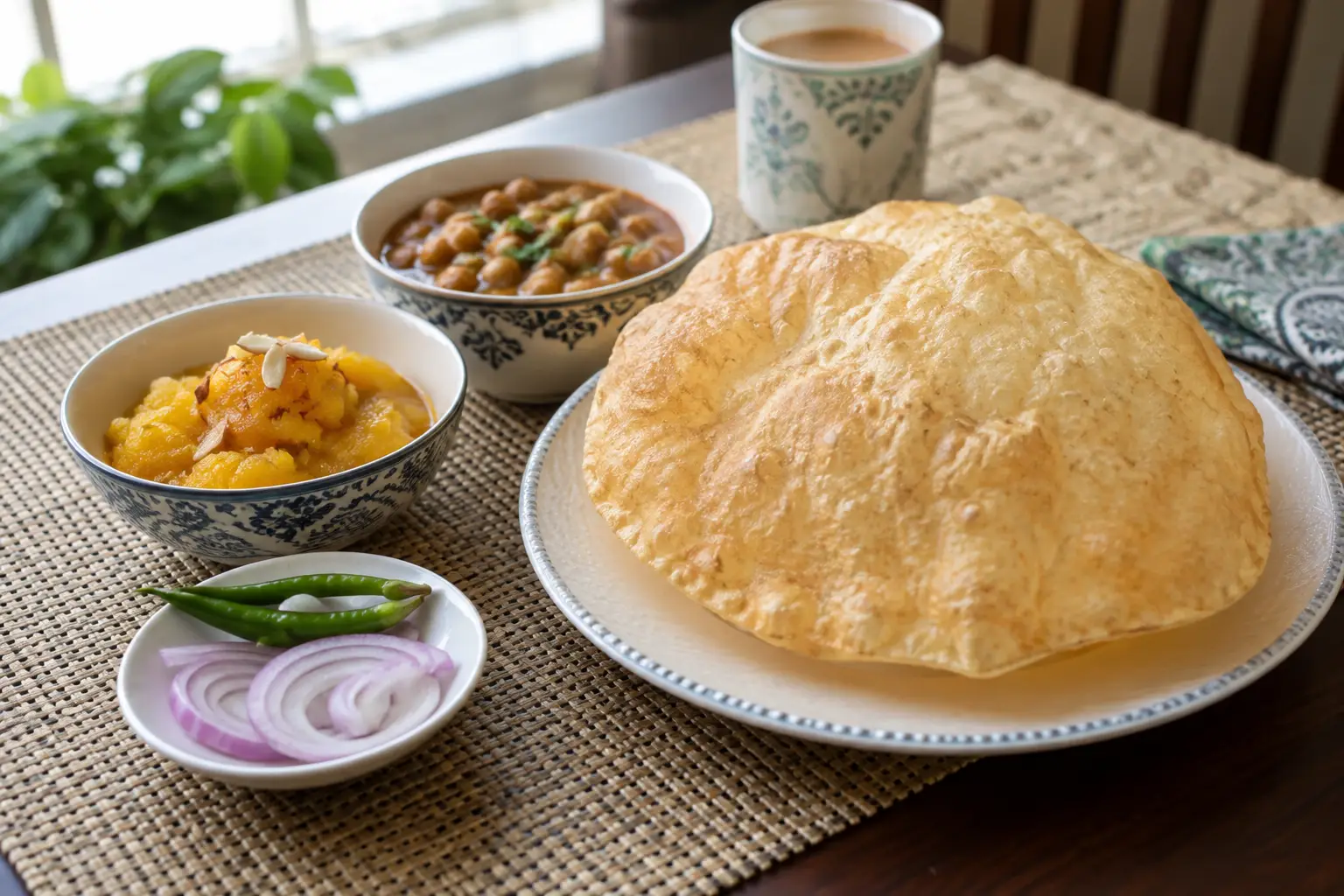
Halwa puri can be energy-dense because puri is fried and halwa is usually made with ingredients such as semolina, sugar and ghee. The exact calories depend on the recipe, size and amount of oil or ghee, so there is no honest one-number estimate for every plate. That does not mean you need to label the meal “bad” or avoid family breakfasts.
Instead, think about how often you have it and the portion that leaves you satisfied. If it is a regular weekend meal, a consistent, moderate serving may be easier to fit into your week than alternating between strict avoidance and eating until you feel uncomfortable.
Enjoy the breakfast you choose; do not turn it into a test of willpower.
Myth: You have to skip dinner or breakfast first to earn it
Fact: Saving up by skipping meals can leave you extremely hungry, which may make it harder to choose a comfortable serving when breakfast is ready.
Have your usual meals around the occasion. If you know breakfast will be more filling than usual, you might keep the rest of the day simple, but do not treat that as compensation. For example, later meals can include a protein food, vegetables or fruit, and a portion of roti or chawal that suits your appetite and activity.
If halwa puri is served late, you can still eat when you are hungry rather than forcing yourself to wait. If you are not hungry later, there is no need to eat just because the clock says so. The goal is a routine you can repeat, not a strict schedule that makes one meal feel like a rule-breaking event.
Myth: You must remove either the puri or the halwa
Fact: You can decide which parts of the meal matter most to you and build a portion around that choice.
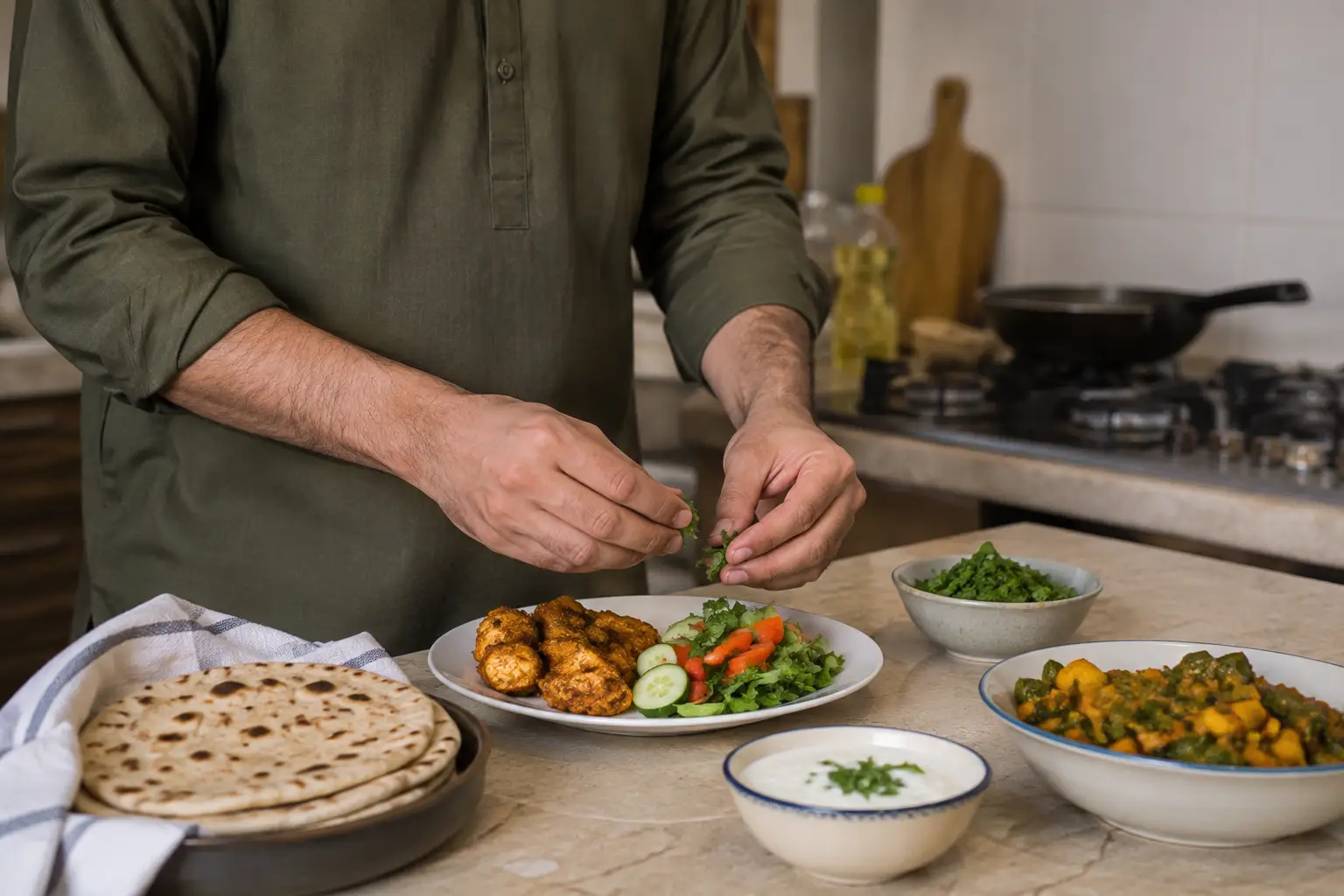
Some people most enjoy the crisp puri; others look forward to the halwa or chana. You do not have to take the same amount of everything just because it is served together. Before you start eating, take a moment to choose what you genuinely want, then serve a portion rather than grazing directly from shared dishes.
A practical approach could be one puri with a modest serving of halwa and chana, adjusted to your hunger and the size of the portions available. If you want more, pause briefly and check whether you still feel hungry or simply want to keep tasting. There is no perfect portion for everyone; the useful portion is one that fits your needs and does not leave you uncomfortably full.
When food is shared, a rough estimate is enough. You do not need to weigh each spoon at a family breakfast. For more on making sensible estimates from shared dishes, see how to count calories in a shared plate of food.
Myth: Adding chana makes the meal automatically balanced
Fact: Chana can add protein and fibre, but it does not cancel out the energy in puri or halwa.
A serving of cooked chickpeas provides roughly 7–8 grams of protein per 100 grams, though the amount varies with preparation and serving size. It also provides carbohydrates and fibre. That can make chana a useful part of breakfast, especially if you enjoy it, but it is still worth paying attention to the full plate.
If you want a breakfast that keeps you satisfied, include the chana portion you enjoy and eat at a pace that lets you notice fullness. You might also have water or another drink you normally enjoy. There is no need to add extra food simply to make the plate look “healthy,” and no need to avoid the other foods on the table.
For a closer look at the protein and carbohydrate in lentils and pulses, read does daal count as protein or carbs for muscle gain?. Chana and daal are different foods, but both can contribute to a meal in more than one way.
Myth: You need an exact calorie count to make a good choice
Fact: An estimate can be useful, but homemade halwa puri varies too much for every app entry to be exact.
Puri size, frying time, oil absorption, halwa recipe and serving spoons all affect the total. If you track calories, choose a reasonable entry or estimate and use the same approach consistently. Do not spend the whole morning searching for a perfect number that may not exist.
If you do not track calories, use a few practical checks instead:
- Decide your serving before you begin eating.
- Notice whether you are hungry for more after finishing.
- Avoid picking at leftovers just because they are still on the table.
- Return to your usual meal routine at the next meal.
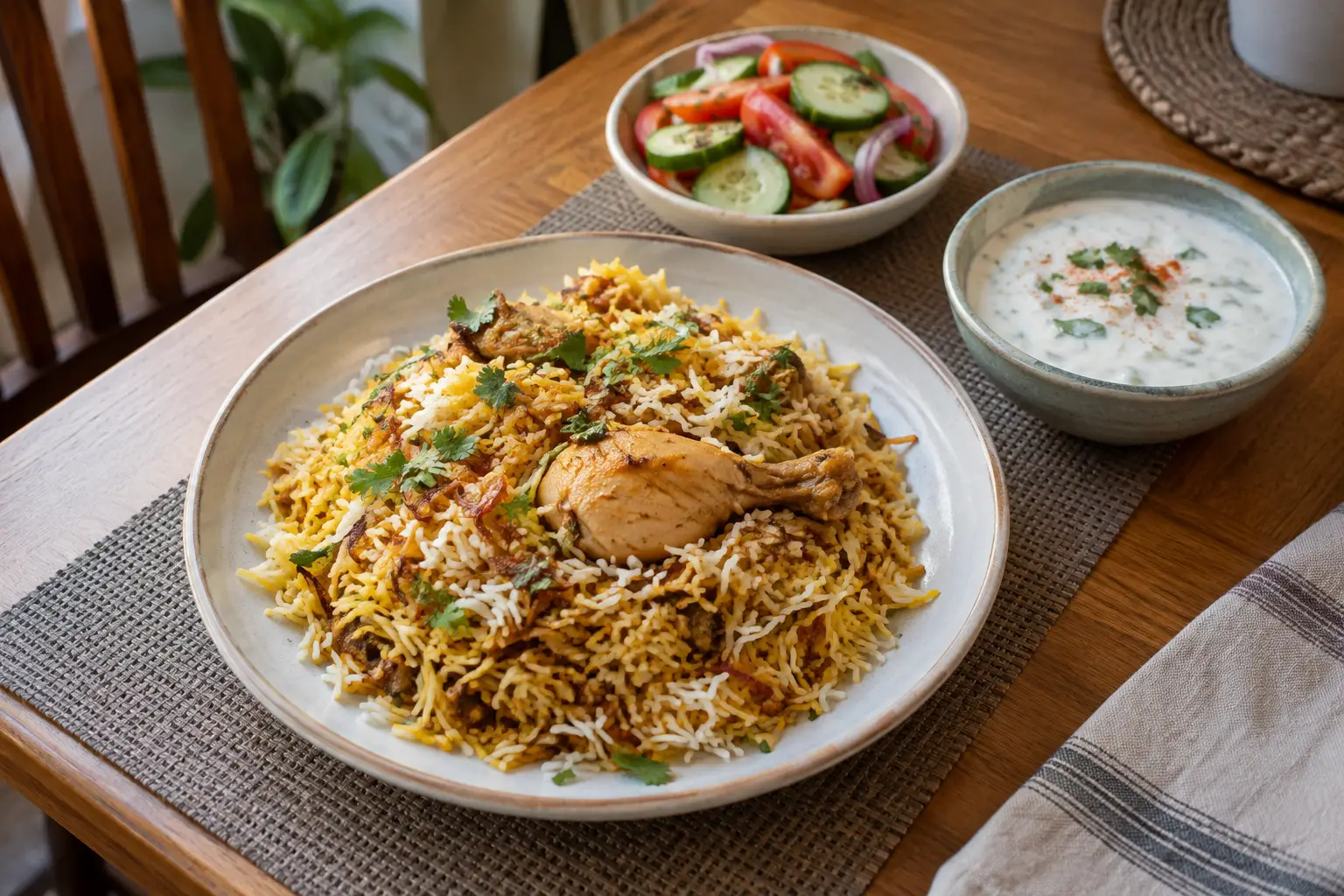
The same idea applies to other rich or celebratory meals. You can enjoy them while keeping your overall pattern in view, as explained in how to include biryani in a weight loss diet.
If you want a flexible routine built around the foods you already eat, CU Fit offers a custom diet that updates every 30 days, daily workouts that unlock as you progress, weekly check-ins and progress charts. The app also has a “bad day” reset for getting back on track after a slip, rather than treating one meal as a reason to give up.
Myth: A big breakfast means the whole day is ruined
Fact: You can make your next choice a normal one. You do not need to fast, do extra exercise to “burn it off,” or wait until Monday to restart.
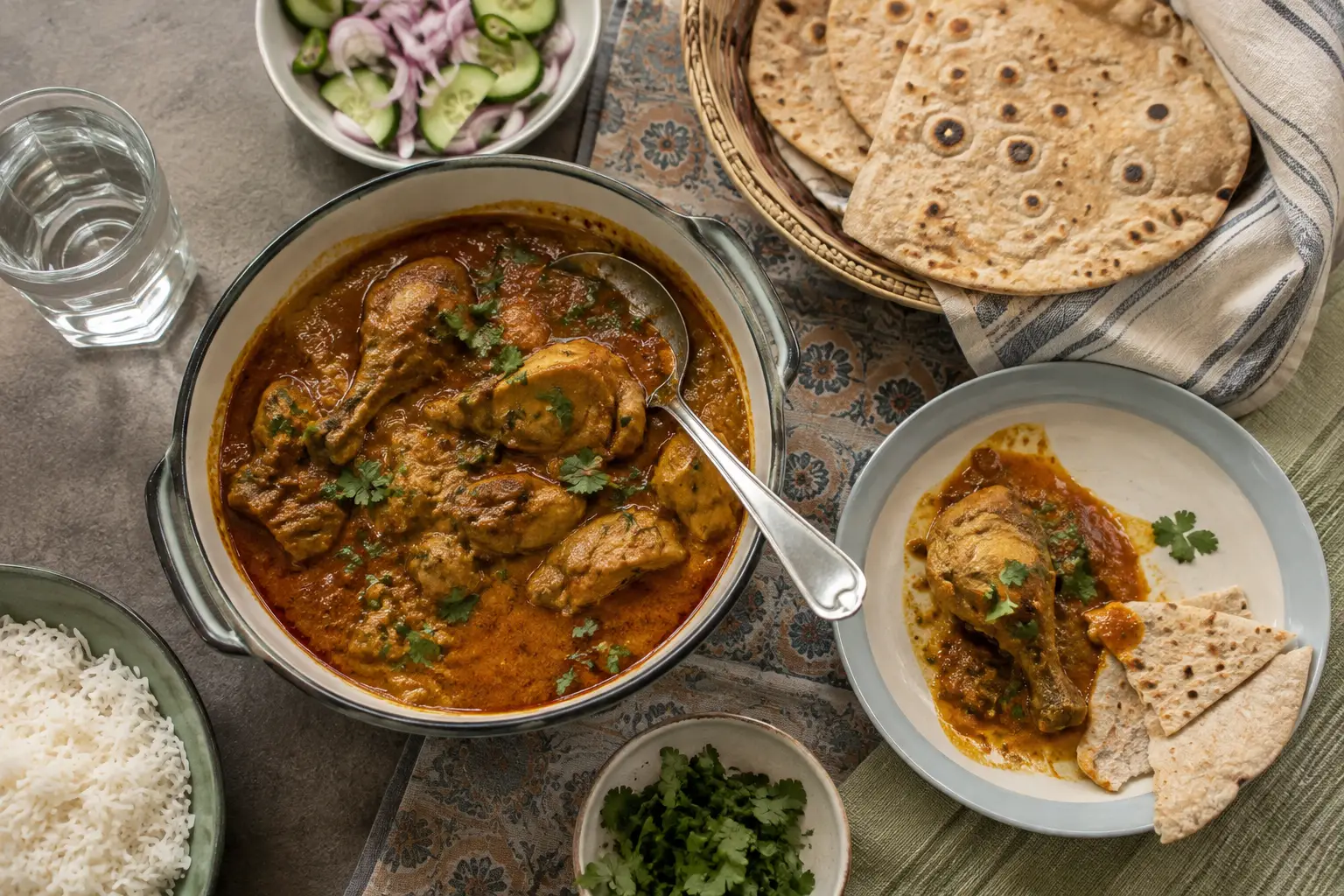
After breakfast, continue with your ordinary plans. If you are comfortable, take a walk as part of your day, but do not use exercise as punishment for eating. At your next meal, build a plate around foods that satisfy you. For example, you could have chicken or daal, vegetables and a sensible portion of roti or chawal, depending on what is available at home.
This is especially useful if you live abroad and weekend breakfasts are one of the few times family can eat together. A plan that includes the meals you value is often more realistic than a plan that asks you to avoid every shared occasion.
Myth: One weigh-in after breakfast tells you whether you gained fat
Fact: A scale reading can shift temporarily after a larger or saltier meal because of food and fluid in your body. It is not a direct measure of body fat gained overnight.
If you track weight, weigh under similar conditions on several days and look at the overall trend, rather than judging yourself by one reading. You can also check waist measurements and how your clothes fit over time. The key is to collect information calmly and use it to guide a small adjustment—not to react to every daily change.
A weekly check-in can help you notice patterns such as frequent extra servings or a routine that leaves you very hungry. That information is more useful than calling yourself “good” or “bad” based on a single breakfast.
Myth: You need a perfect plan to keep making progress
Fact: A workable plan makes room for food you enjoy and gives you a clear next step after an unplanned meal.
Try this simple routine the next time halwa puri is served:
- Eat normally beforehand; do not arrive extremely hungry on purpose.
- Choose the parts of breakfast you most want.
- Serve a portion and sit down to eat it.
- Pause when you finish and check your hunger before deciding on more.
- Return to your usual routine at the next meal.
- Review your habits across weeks, not just one morning.
A flexible plan is not a free-for-all; it is a plan you can return to.
For support that fits busy workdays and family meals, the CU Fit app includes weekly check-ins with photos, weight and waist measurements, plus a Coach Usman Assistant chat. Coach Usman personally reviews your progress after six check-ins. CU Fit also has a 7-day money-back option. You can learn more about weight loss coaching in Pakistan. If you prefer direct 1:1 coaching and weekly check-in reviews, Premium coaching is another option, with plan details at the coaching pricing page.
Conclusion: How to eat halwa puri breakfast while trying to lose weight
The practical answer to how to eat halwa puri breakfast while trying to lose weight is to enjoy a considered portion, avoid compensating with skipped meals, and return to your normal routine afterwards. Chana can add protein and fibre, but it does not erase the rest of the meal; exact calorie numbers are not essential for making a sensible choice.
A single breakfast does not define your progress. Your habits across ordinary workdays, weekends and family meals matter more. Want a plan built around your job and your food? Start with CU Fit at coachusman.fit for an affordable custom diet and workout plan. Want Coach Usman to coach you 1:1? Choose Premium coaching at coachusman.com.
This is general fitness information, not medical advice. Please talk to a doctor before changing your diet or exercise routine, especially if you have a health condition.
FAQ
Can I eat halwa puri while trying to lose weight?
Yes. You can include it in a weight-loss routine by choosing a portion that suits you and returning to your usual meals afterwards. Your overall habits over time matter more than one breakfast.
How many calories are in halwa puri?
There is no single accurate number because puri size, oil absorption, halwa ingredients and serving amounts vary. Use a reasonable estimate if you track, rather than treating it as exact.
Should I skip a meal after eating halwa puri?
You do not need to skip meals to compensate. Eat your next meal when you are hungry and choose a normal, satisfying combination of foods.
Coach Usman, 12+ years of coaching experience
1:1 online coach for Pakistani men worldwide, building fat-loss plans around real jobs, shifts and desi food.
coachusman.comWant a coach who builds the plan around you?
Coach Usman builds your diet and training around your job, your schedule and the desi food you already eat.
Start with Coach UsmanComments (0)
No comments yet. Be the first.