
Want a plan built around your job and desi food? Try 1:1 online coaching with Coach Usman.
Building Real Muscle After 30: Your No-BS Guide to Getting Stronger in Your Thirties
So, you’ve hit the big 3-0. Or maybe you’re well into your thirties and noticing that the easy-gain days of your early twenties are a memory. You’re definitely not alone. I see it all the time as a coach: clients who were absolute gym rats in their youth suddenly find themselves hitting plateaus, feeling a bit stiffer in the morning, and questioning if they can even still build muscle after 30. They worry their "prime" has passed, that they're destined to get softer, and that building significant strength is only for the very young. Let's clear something up right now: that is absolute nonsense. Yes, things change. Your body doesn't bounce back from a terrible night’s sleep the same way. Your metabolism might nudge down slightly. Hormones start their natural shift. Recovery takes a little longer. These are real things. But you absolutely can, and should, build muscle after 30. In many ways, you might even be better equipped for it now than you were at 22, with more discipline, focus, and, critically, a better understanding of your own body (or at least, the potential to build one).
The difference isn't that you can't grow; it's that you can't afford to be sloppy about it anymore. The days of eating anything and training haphazardly and still growing are over. Now, your strategy has to be smarter, your effort more consistent, and your respect for recovery non-negotiable. This guide is your roadmap. No fluff, no "miracle pills"—just the real, scientific principles that work at any age, optimized for where you are now. The Truth About T-Levels and Your Thirties The first thing everyone points to is testosterone. Yes, testosterone levels (and other growth hormones) generally begin a slow, gradual decline—about 1-2% per year—starting around your early thirties. This is natural. It does not mean you have "low T" or that your muscle-building potential is destroyed.
Think of it this way: the raw chemical drive might be slightly lower than its peak. However, that reduction is rarely the bottleneck preventing most guys from building muscle. The bottlenecks are almost always inconsistency, poor training program design, inadequate nutrition, and a massive lack of recovery.
Your body is still incredibly responsive to stimulus. You haven't lost the mechanisms for muscle growth; you might just need to turn up the volume and precision of that stimulus slightly. If you’re truly concerned, get your levels tested by a medical professional, but don't use a natural, gradual hormonal shift as a pre-emptive excuse. Focus on what you can control.
The Training Blueprint: Efficiency Over Excess At 32, you can’t train with the same reckless volume and lack of structure you might have gotten away with at 21. If you try, your joints will complain long before your muscles grow. The key is efficiency and smarter programming.
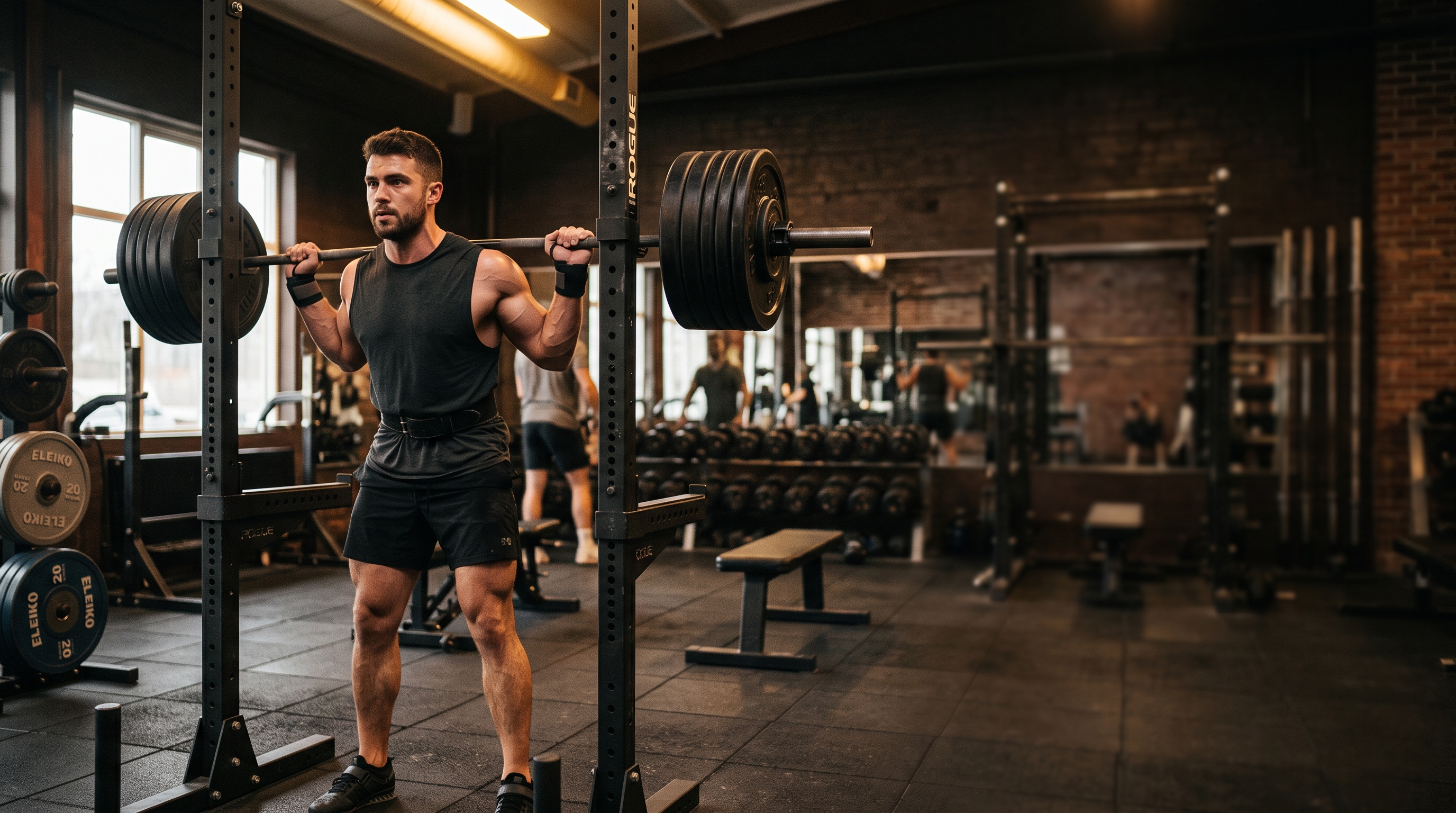
1. Prioritize Compounds (The Foundation) Your body doesn’t have infinite recovery resources. Spend your limited gym time wisely. The foundation of any build muscle after 30 program must be compound exercises. These movements—squats, deadlifts, presses (bench, overhead), rows, and pull-ups—recruit multiple muscle groups simultaneously. They provide the biggest bang for your training buck, generating a systemic hypertrophic (growth) response that is crucial. Focus on getting progressively stronger in these movements. You don't need dozens of isolation exercises; you need mastery of the big lifts.
2. Respect the Principle of Progression Progression is not optional. If you lift the same weights, for the same reps, week after week, your body has zero reason to change. Progressive overload is the fundamental rule of muscle growth. For a lifter over 30, this doesn’t mean constantly aiming for a new 1-rep max (which is hard on the joints and high-risk). It means striving to progress in some way: adding a small amount of weight (even 2.5 lbs), squeezing out one more rep with good form, reducing rest slightly, or improving your execution of the movement. Consistency in making small jumps is far more valuable than sporadic, risky ego lifting.
3. Control Your Volume & Recovery-Friendly Splitting More is not always better, especially now. High-volume, "body part splits" (training one muscle group once a week with excessive sets) can often backfire. By the time you hit that muscle group again, you've likely detrained slightly, or you’re so sore you can’t train other things properly. A better approach for most is often: Upper/Lower Split: 4 days per week, alternating training upper body muscles and lower body muscles.
Full Body Split: 3 days per week, hitting every major muscle group in each session. This provides high frequency (great for learning movements and frequent growth signals) but allows for plenty of rest days. A common mistake I see is men in their 30s trying to train 6 days a week, doing massive volume per session. Their joints are always achy, their energy is low, and they aren't progressing. They’d grow more on less total training, with more focused sessions and better recovery. Quality > Quantity.
4. Master the Movement, Not the Weight At this age, build muscle after 30 is also a preservation game. A major injury will set you back months, if not years. Your form must be impeccable. Prioritize controlling the weight through the full range of motion. Focus on the muscle you are trying to work. If you are benching, feel your chest stretch and contract, rather than just heaving the bar from point A to B with momentum. Good execution prevents injury and ensures the stimulus hits the target muscle, rather than just fatiguing your connective tissue.
(Internal link opportunity: proper lifting technique for longevity and muscle). Nutrition: The Real Fuel for Growth (and Longevity) Your nutrition strategy now has two jobs: fuel muscle growth and support overall health and recovery. You cannot afford to eat like a teenager.
Protein: The Non-Negotiable Building Block This is where the rubber meets the road. If you are not eating enough protein, you are not building muscle, period. End of story. This is even more important as you age, as you may become slightly less efficient at utilizing the protein you eat (a phenomenon called anabolic resistance). A solid, evidence-based goal for most active people trying to build muscle after 30 is roughly 1.6-2.2 grams of protein per kilogram of body weight (or about 0.7-1 gram per pound). If you are consistently under, your progress will be non-existent. Prioritize lean meats, eggs, dairy (if tolerated), fish, and high-quality plant-based options. Get it in every meal. Calories: Finding the Sweet Spot (No "Dirty Bulking")
Forget about massive "dirty bulks" where you gain 20 lbs of fat to add 2 lbs of muscle. That approach is inefficient and puts unnecessary stress on your body. You need a slight caloric surplus to grow optimally. Think 200-400 calories above your maintenance. This allows you to fuel performance and recovery while minimizing excessive fat gain. Tracking your food, even just for a few weeks, is incredibly valuable for learning what this amount of food actually looks like. Aim for slow, steady, sustainable weight gain (e.g., 0.5-1 lb per week). If you find your body composition is primarily getting worse, your surplus is likely too high.
Quality & Micros (Health and Recovery) It’s not just macros. Your body’s repair processes require micronutrients (vitamins, minerals, antioxidants) and quality fats. Focus on whole foods. Vegetables, fruits, healthy fats (like olive oil, avocado, nuts, fatty fish) provide the anti-inflammatory and cellular support your body needs for recovery and long-term health. Don't neglect fiber. Good digestion is crucial for absorbing all that high-quality protein you're eating.
The Often-Ignored Pillars: Rest & Recovery This is the area where people really mess up. In your 30s, recovery is part of your training. It’s when the growth actually happens.
1. Sleep Is Your Primary Growth Hormone You need 7-9 hours of quality sleep, period. While you sleep, your body releases the bulk of its growth hormone, repairs tissue, and recharges your nervous system. Chronic sleep deprivation is like driving your growth potential with the parking brake on. Improve your sleep hygiene: a consistent schedule, a dark/cool room, and no screens right before bed. This will have a more significant impact on your hormonal profile than any legal "booster" ever could.
2. Manage Stress and Chronic Inflammation Chronic stress (work, family, life) spikes cortisol, which is catabolic (muscle-wasting) in the long run and inhibits recovery. Your body cannot recover optimally if it's constantly in a stressed, inflamed state. Find ways to decompress: walks, meditation, hobbies, or simply setting boundaries. It directly impacts your progress in the gym.
3. Active Recovery Rest days are important, but that doesn’t mean being entirely sedentary. Lighter activities like walking, gentle mobility work, or easy swimming can improve blood flow, aid in waste product removal from muscles, and help with joint stiffness, which becomes more common.
Practical Takeaways for Your Strategy Stop Guessing: Don't just go to the gym and see what happens. Follow a structured, intelligently-designed program that prioritizes progression on the big lifts and fits your recovery capacity.
Focus on Mastery: Perfection of form is your shield against injury and your key to effective muscle stimulation. Do not ego-lift. Track Your Nutrition (At Least for a While): Ensure you are consistently hitting that 0.7-1g/lb protein goal and are in a appropriate, slight caloric surplus. You can’t build a house without bricks and a foundation. Prioritize Sleep: Treat it like a crucial workout session. There is no replacement for 7-9 hours of deep, restful sleep.
Be Consistent (This Is Everything): Your 30s is when consistency wins over sporadic intensity. Focus on showing up, executing the plan, and respecting the recovery process over years, not just weeks. If you’re tired of trying to figure everything out on your own and want a plan built entirely around your body, schedule, and goal, you can explore Coach Usman's 1-to-1 online coaching at CoachUsman.com.
Frequently Asked Questions Is it really harder to build muscle after 30? It’s different, but not impossible. Your recovery time increases slightly, and hormonal signals might be subtly weaker, meaning your margin for error is smaller. You have to be more precise with training and recovery, but the potential for significant growth is absolutely still there. What is the single most important thing I can do?
Be consistent. Consistency in your program, your progression, your protein intake, and your sleep will yield more results than any "perfect" exercise or fancy supplement ever could. Consistency beats intensity, especially long-term.
Do I need testosterone therapy (TRT)? TRT is a serious medical treatment for people diagnosed with clinically low testosterone. It is not a shortcut for someone with normal levels who isn't seeing the results they want. If you have symptoms and are concerned, see a qualified medical professional for testing and advice. Do not pursue it based on gym hearsay. Most people over 30 can build excellent results naturally by optimizing the factors within their control.
Is compound lifting still safe in my 30s? Absolutely. In fact, strength training (which compounds excel at) is one of the best things you can do for long-term health, bone density, and joint integrity. The key is proper form and progressive overload, not reckless lifting. Master the technique and progress at a pace your body can handle.
Conclusion Yes, you can absolutely build muscle after 30. In fact, building muscle and strength in your thirties is one of the single best investments you can make for your long-term health, vitality, and physical independence. The "rules" haven't been rewritten; they've just become less forgiving. It requires more intelligence, more discipline, and a holistic respect for your body's need for both fuel and recovery. Focus on the foundational principles of training, eat to grow, and treat your rest with the same seriousness you treat your heaviest lift. If you do that consistently, you will be amazed at what your body can still achieve. Building a durable, strong physique at this stage in life is an investment in your future. If you want a partner to help you design a precise strategy and guide you through the process, cut through the noise, and maximize your efforts, explore my personal coaching options at https://coachusman.com/.
FAQ
Can I still build muscle after 30?
Yes. With progressive training, enough protein and good sleep, men in their 30s keep building muscle. Progress may be a little slower, so consistency matters more.
How many days a week should I train?
Three to four full-body or upper/lower sessions a week is enough for most busy men. Recovery between sessions is part of the plan.
How much protein do I need?
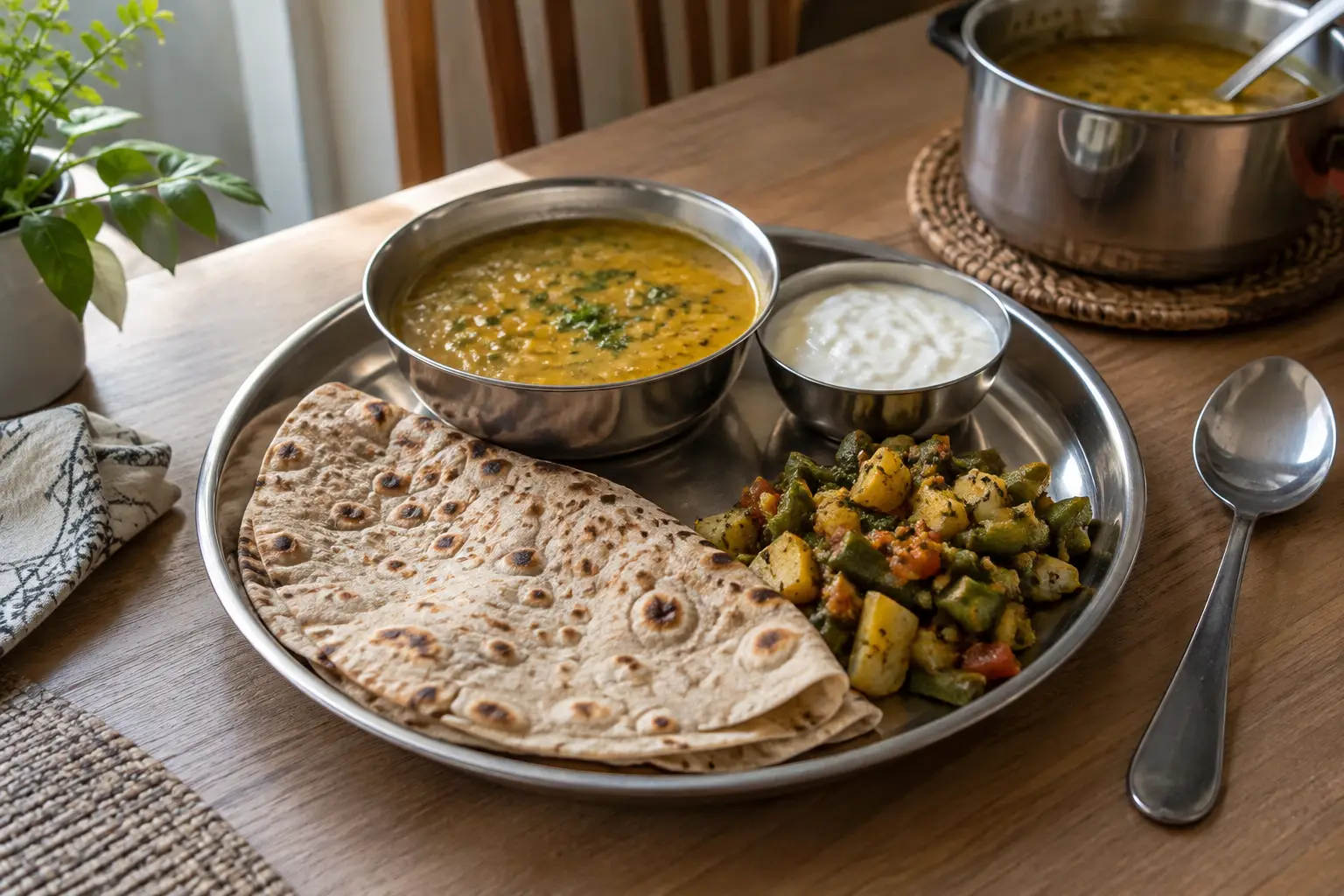
A practical target is about 1.6 to 2 grams per kilo of body weight per day, spread over your meals. Daal, chicken, eggs, dahi and fish all count.
Do I need supplements to build muscle?
No. Real food, a progressive plan and sleep do most of the work.
Coach Usman, 12+ years of coaching experience
1:1 online coach for Pakistani men worldwide, building fat-loss plans around real jobs, shifts and desi food.
coachusman.comWant a coach who builds the plan around you?
Coach Usman builds your diet and training around your job, your schedule and the desi food you already eat.
Start with Coach UsmanComments (0)
No comments yet. Be the first.