In this article
- Why the missing meal matters for fat loss
- Look for protein, not just the name of the dish
- Start with the weakest meal, not the whole day
- If breakfast is chai and something quick
- If lunch is roti and sabzi
- If dinner already includes meat
- Use replacement, not endless addition
- Make it work outside your kitchen
- Your next step is deliberately small
Want a plan built around your job and desi food? Try 1:1 online coaching with Coach Usman.
Chicken at dinner does not automatically make the rest of your day protein-rich.
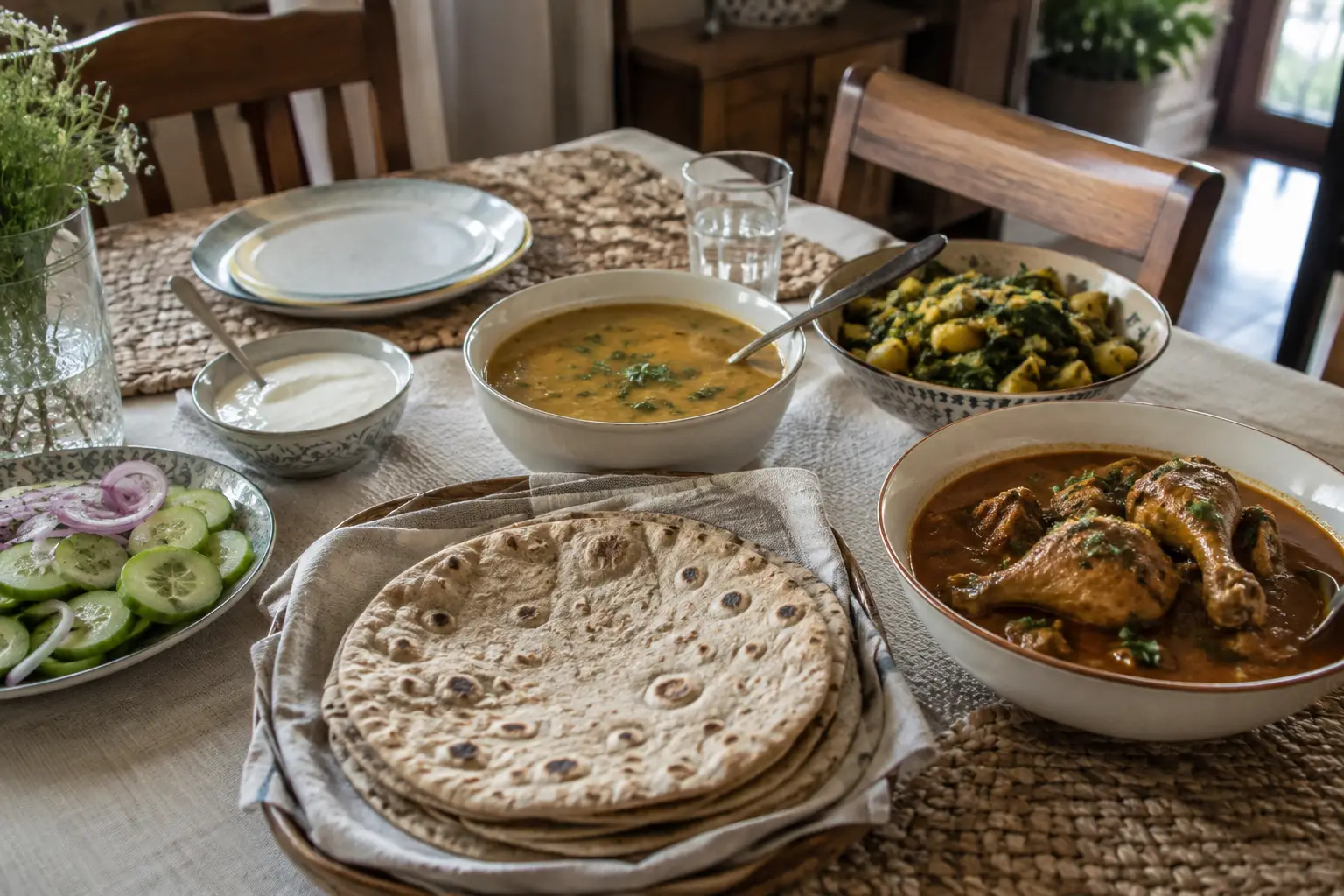
Think about a day built around chai and toast, roti with sabzi at lunch, biscuits during work, then chicken curry at night. There is nothing unusual about that menu. But most of its obvious protein arrives in the final meal.
For Pakistani men trying to lose fat, this is a useful place to look. Before buying special foods or changing everything, find the meal where protein barely appears.
Then fix that meal in a way you can repeat.
Why the missing meal matters for fat loss
Protein can help meals feel more satisfying and supports muscle maintenance during fat loss, especially alongside resistance training. It is useful, but it does not cancel out the rest of your food intake.
Adding chicken to an already oversized dinner does not automatically create a calorie deficit. Neither does calling a fried snack “high protein” because it contains meat.
The practical goal is to give protein a clear place in your meals while keeping the overall meal suitable for fat loss.
In my coaching approach, built on 12+ years of experience, a repeatable food choice matters more than an impressive plan that disappears on a busy workday.
Look for protein, not just the name of the dish
A meal can sound protein-rich without containing much of the protein food itself.
Chicken pulao may give you plenty of rice but very little chicken. A bowl of meat gravy may contain mostly sauce. Daal contributes protein, but a small spoonful beside a large plate of rice is different from making daal a meaningful part of the meal.
Ask yourself: What food on this plate is doing most of the protein work?
Common options include:
- Eggs at breakfast or in an egg curry.
- Chicken, fish, or leaner cuts of meat.
- Daal, chana, rajma, and other beans or lentils.
- Plain yogurt, strained yogurt, or milk, depending on the meal.
- Tofu or paneer when they fit your preferences and portions.
These foods are not identical. Their protein content, fat content, and energy density vary. Paneer, for example, can contribute protein while also making a meal more energy-dense. Plain yogurt varies by type, so check the label when buying packaged versions.
Start with the weakest meal, not the whole day
You do not need a perfect menu tomorrow. Look back at a typical working day and identify the meal with the least obvious protein.
If breakfast is chai and something quick
Keep your chai if you enjoy it. Change what sits beside it.
Eggs with roti can work. So can plain strained yogurt with fruit, or leftover chana with a smaller serving of your usual bread. Choose according to your appetite, budget, and available preparation time.
If breakfast is rushed, make the decision the night before. Having eggs in the fridge is helpful; knowing how you will prepare them before leaving is better.
The aim is not to add eggs on top of every usual breakfast item. Replace part of a less satisfying breakfast rather than simply expanding it.
If lunch is roti and sabzi
Sabzi deserves its place. You do not need to remove vegetables to make room for protein.
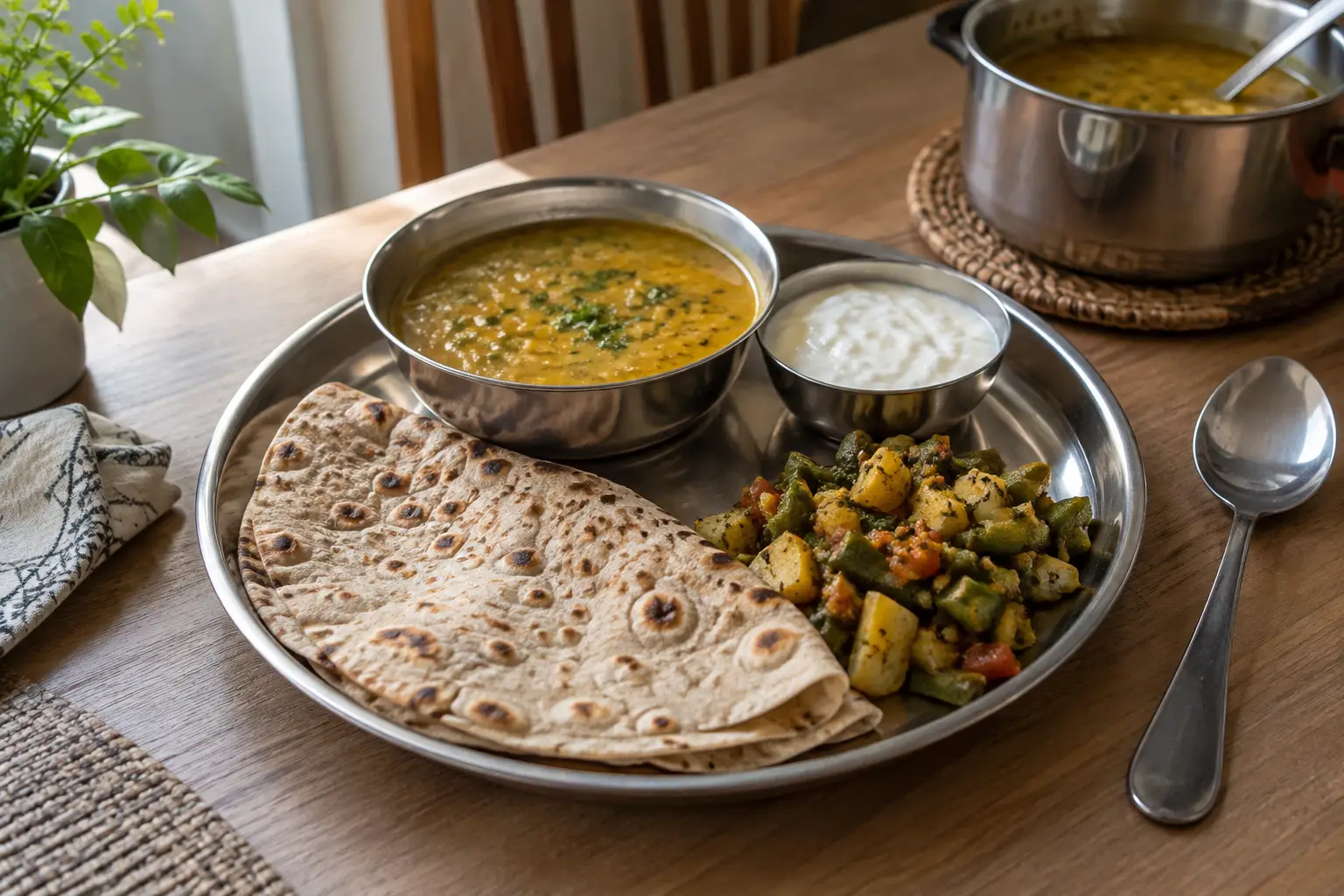
Instead, include daal, beans, leftover chicken, or another suitable protein food. Roti, sabzi, and a substantial serving of daal can be a practical home lunch.
For a vegetarian meal, let the pulses be a real component, not a decorative side. Yogurt can add to the meal if you enjoy it, but a spoonful of raita is not the same as a substantial protein serving.
If dinner already includes meat
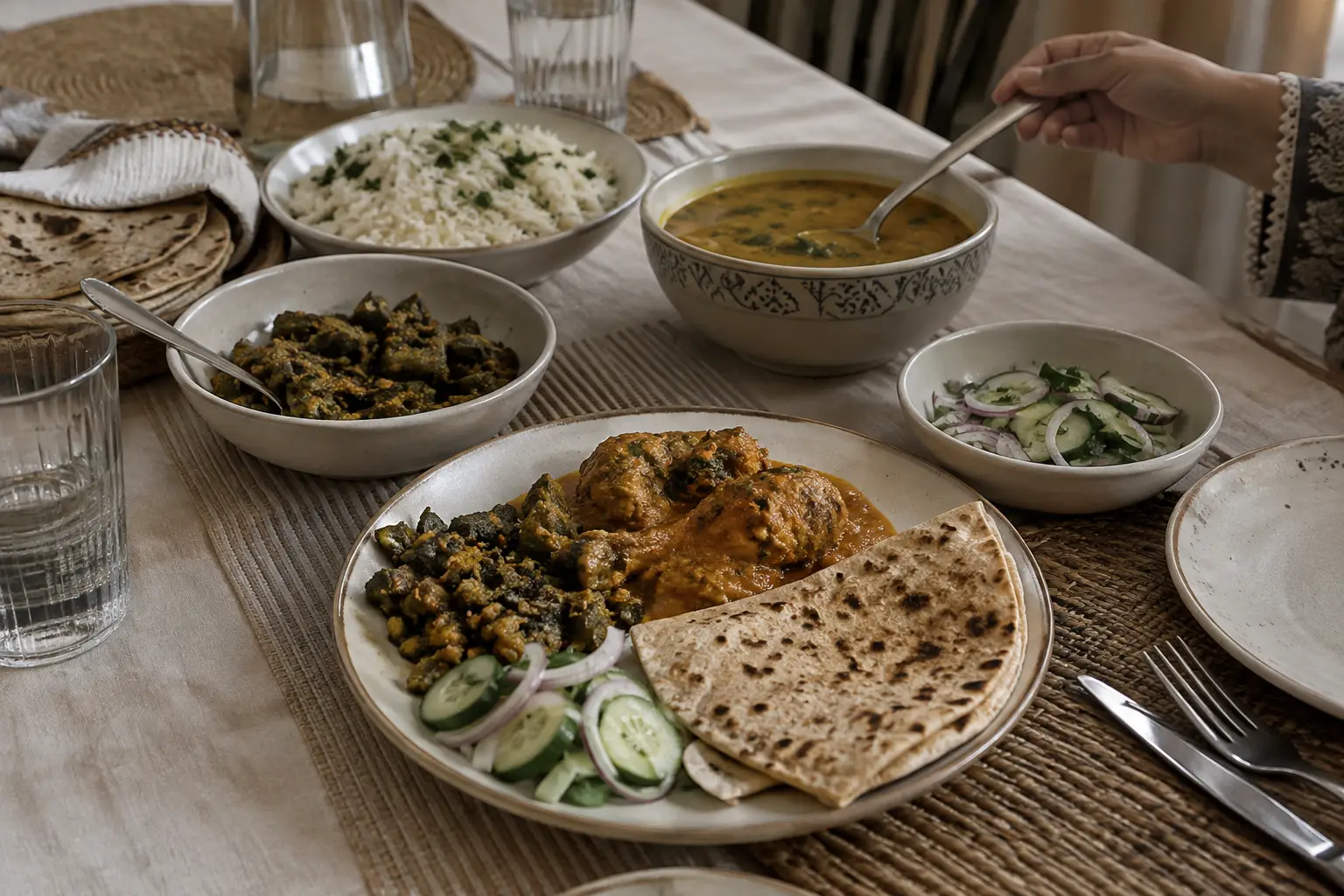
Dinner may not need more protein. It may need better balance.
Look at the actual meat portion, the amount of oil-rich gravy, and how much rice or roti you serve alongside it. This is where portion control with your serving spoon becomes more useful than banning familiar foods.
Use replacement, not endless addition
A common mistake is hearing “eat more protein” and adding extra food without changing anything else.
For fat loss, think about the whole plate.
| Usual situation | Practical adjustment |
|---|---|
| Toast, biscuits, and chai | Replace the biscuits with eggs or plain strained yogurt |
| A large rice serving with a little daal | Make daal more prominent and reduce some rice |
| Roti with mostly chicken gravy | Serve actual chicken pieces with less oily gravy |
| A snack plate built around fried items | Choose a simple egg, chana, or yogurt option instead |
These are starting points, not fixed menus. Your portions still need to suit your appetite, activity, and overall intake.
If your meals contain protein but weight loss has stalled, inspect the wider picture rather than adding more. This guide to a calorie deficit that is not producing weight loss explains that next step.
Make it work outside your kitchen
Whether you work shifts in the Gulf or pack lunch for an office in the UK, the problem is often access rather than knowledge.
Keep an option available before hunger makes the decision. That might mean packing leftover chicken with roti, taking a bean-based lunch, or keeping yogurt refrigerated at work.
At a dawat, look for the actual protein food rather than assuming every meat dish provides a generous serving. Enjoy biryani, but notice whether your plate contains chicken or mostly rice. You do not need to turn the gathering into a food audit.
For exhausting days, choose a fallback meal you can assemble with little effort. Building a plan for your tired self is more reliable than expecting fresh motivation after every shift.
Your next step is deliberately small
Choose your weakest meal and decide what its protein food will be. Put that food on your shopping list, then decide what it will replace or how it will fit.
Keep the rest of your routine reasonably steady while you practise.
You can refine quantities later. First, make the basic habit visible: when you sit down to eat, you should be able to point to the protein—not just hope it is somewhere in the gravy.
This is general fitness information, not medical advice. Please talk to a doctor before changing your diet or exercise routine, especially if you have a health condition.
FAQ
Can I eat enough protein without eating meat?
Yes. Daal, beans, chana, tofu, dairy, and eggs if you eat them can contribute. Use meaningful servings and a variety of foods rather than relying on small side portions.
Does daal count as protein?
Yes. Daal provides protein along with carbohydrates and fibre. The amount you eat matters; a small spoonful makes a smaller contribution than a substantial serving.
Do I need protein at every meal to lose weight?
No. Fat loss depends on your overall energy intake. Including protein across meals can make eating more satisfying and help you meet your daily needs.
Can I keep roti and rice while increasing protein?
Yes. Keep portions suitable for your overall intake and give protein a clear place alongside them. You do not need to remove familiar carbohydrates.
Coach Usman, 12+ years of coaching experience
1:1 online coach for Pakistani men worldwide, building fat-loss plans around real jobs, shifts and desi food.
coachusman.comWant a coach who builds the plan around you?
Coach Usman builds your diet and training around your job, your schedule and the desi food you already eat.
Start with Coach UsmanComments (0)
No comments yet. Be the first.