In this article
- High protein Pakistani breakfast ideas without eggs: start with your morning
- 6:30–7:00 a.m.: Choose a breakfast that fits your kitchen
- 8:00 a.m.: Take breakfast with you if the morning is rushed
- 10:30 a.m.: Check hunger before adding snacks
- Midday: Make lunch fit the breakfast you chose
- 3:00–5:00 p.m.: Plan for the energy dip
- Evening: Keep dinner familiar and support your training
- 9:00 p.m.: Set up tomorrow, then review the pattern
- Make high protein Pakistani breakfast ideas without eggs work for you
Want a plan built around your job and desi food? Try 1:1 online coaching with Coach Usman.
If you are looking for high protein Pakistani breakfast ideas without eggs, you have more choices than plain toast or a rushed cup of tea. You can use familiar foods such as dahi, milk, chicken, paneer, daal and chickpeas, then make the rest of your day work around your schedule.
Protein amounts vary by portion and preparation, so treat the figures below as useful estimates, not exact labels. The goal is a satisfying breakfast you can repeat—not a perfect plate every morning. You do not need to use every option in one week, either. Start with the foods you enjoy and can prepare easily.
High protein Pakistani breakfast ideas without eggs: start with your morning
A protein-rich breakfast can help you build a meal that feels more filling. It does not automatically cause fat loss or muscle gain on its own. Your overall food intake, activity and training still matter.
Before bed, decide which option you can realistically prepare. If you leave the choice until a rushed morning, you may grab whatever is quickest and end up hungry soon after. Consider how much time you have, whether you can refrigerate food at work, and what is already in your kitchen.
6:30–7:00 a.m.: Choose a breakfast that fits your kitchen
Option 1: Dahi, oats and milk
Mix plain dahi with oats and a little milk. Depending on the portions and the type of dahi, a bowl may provide roughly 15–25 grams of protein. Add fruit for taste, and measure nuts if you use them; a small handful can add plenty of calories. If you prefer a thicker texture, prepare it the night before and let the oats soften in the fridge.
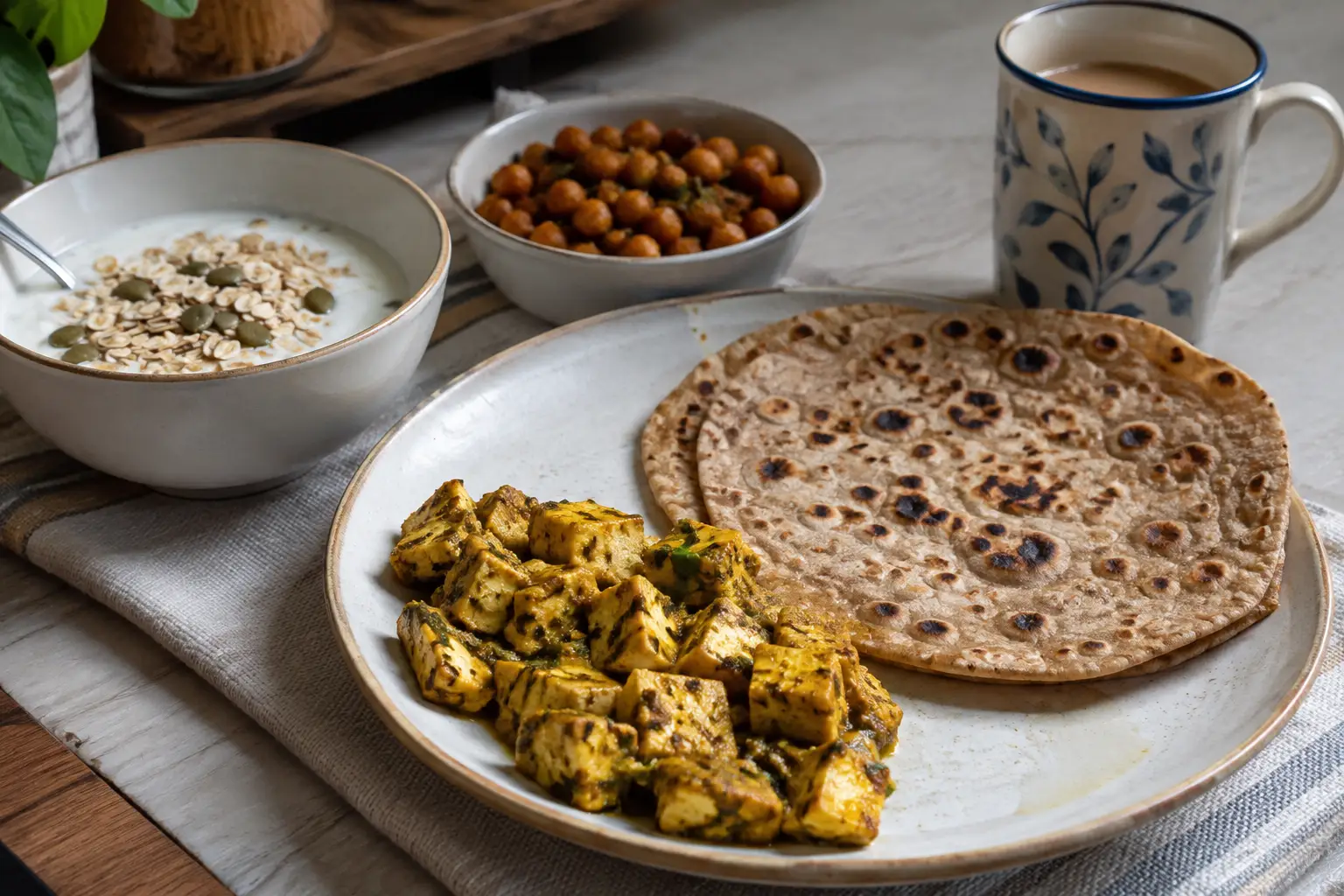
Option 2: Paneer with roti
Use around 100 grams of paneer with a small roti and sliced vegetables. Paneer can provide roughly 18–22 grams of protein per 100 grams, but its calorie content varies by fat level and brand. Cook it with modest oil rather than turning breakfast into a heavy, greasy meal. You can crumble it with spices or serve it in cubes alongside the roti.
Option 3: Leftover chicken with roti
A palm-sized serving of cooked chicken—about 100 grams—usually gives around 25–30 grams of protein. Pair it with roti and leftover sabzi, or wrap it up for a portable breakfast. Keep cooked food chilled if you are saving it for later. This can be a practical choice when you have chicken left from dinner and want to avoid cooking another dish in the morning.
Option 4: Chana with dahi
A bowl of chickpeas with plain dahi gives you a mixture of protein and carbohydrates. Chickpeas are useful, but they are not as protein-dense as chicken or paneer, so the combination can make a more substantial meal. Adjust the serving to your appetite, and use plain dahi if you want a simple pairing. If you want a closer look at how lentils contribute, read how to include enough protein on a desi diet.
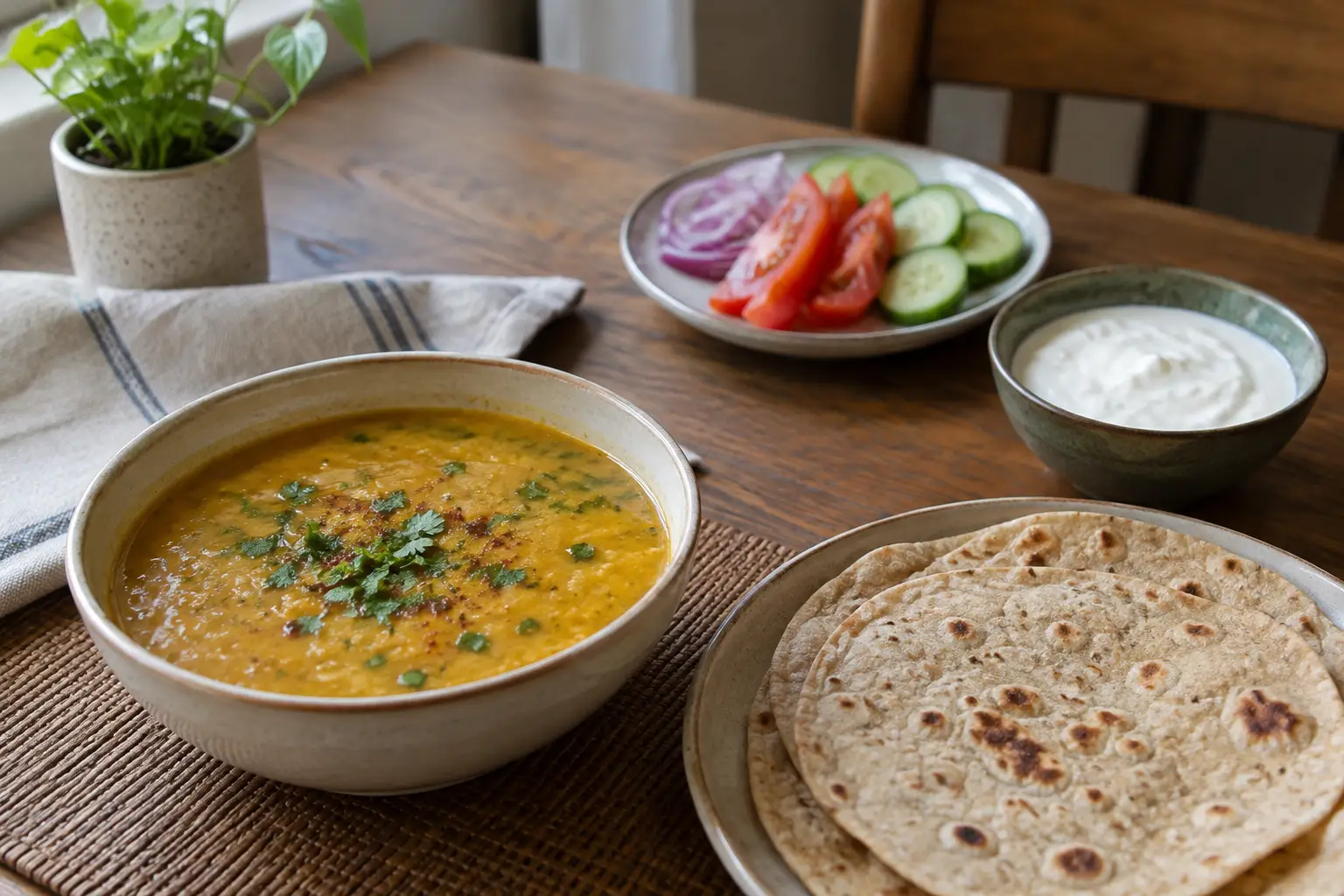
Option 5: Daal with roti and dahi
Warm leftover daal and serve it with a small roti and dahi. This is convenient when the family meal has already been cooked. The protein depends on the type of daal, how thick it is and how much you serve. A thicker serving can make the meal more substantial, while dahi provides another familiar protein-containing food.
A good breakfast is not the one that looks perfect online; it is the one you can prepare again on a busy morning.
8:00 a.m.: Take breakfast with you if the morning is rushed
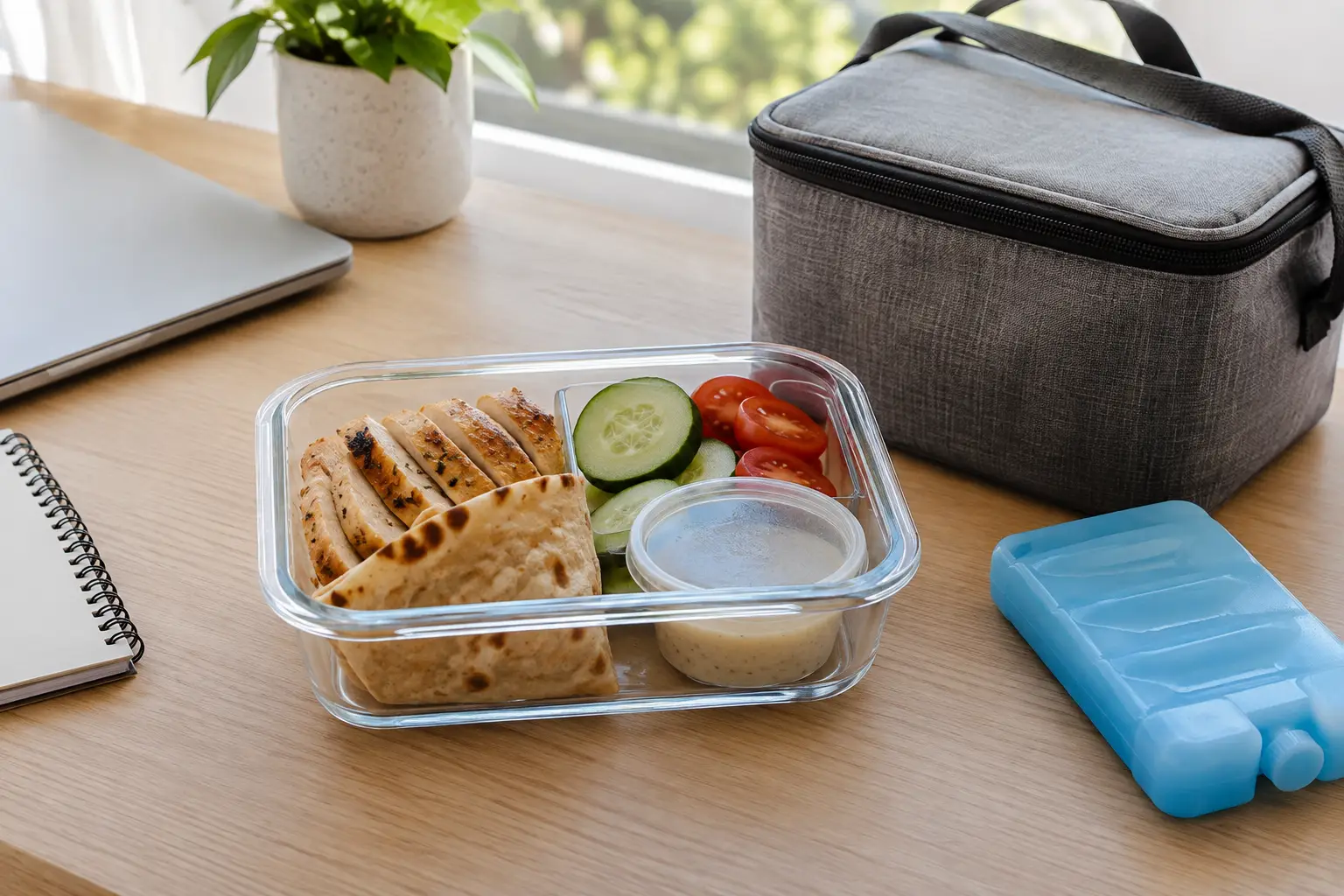
If you work long shifts or commute early, pack your breakfast the night before. A small insulated bag and ice pack can help keep dairy and cooked chicken cold until you eat. If refrigeration is available at work, use it. Choose a container that seals properly, especially if you are carrying dahi or a prepared roll.
Try one of these combinations:
- Dahi and oats in a sealed container, with fruit packed separately.
- A chicken and roti roll with cucumber or tomato.
- Paneer cubes with roti and a piece of fruit.
- Chana and dahi packed in separate containers, then mixed at mealtime.
If you prepare a larger batch, portion it into individual servings rather than guessing from the cooking pot each morning. That makes it easier to keep your portions consistent and take breakfast with you. For another workday meal idea, see high-protein lunches you can pack without reheating.
10:30 a.m.: Check hunger before adding snacks
Notice whether breakfast kept you comfortable until lunch. If you are hungry, a planned snack such as plain dahi, milk or fruit with a modest portion of nuts may help. If you are not hungry, you do not need to eat just because a meal plan says it is time.
Remember that nuts are nutritious but calorie-dense. A small measured portion can be useful; eating from a large open packet makes it easy to lose track. You can also check whether breakfast was small, rushed or low in the foods that usually keep you satisfied before changing your whole routine.
Midday: Make lunch fit the breakfast you chose
You do not need to eat a large breakfast and then compensate by skipping lunch. Build a normal meal with a protein source, vegetables or salad, and a portion of roti or chawal that suits your hunger and goals.
For example, have chicken or qeema with sabzi and roti, or daal with a portion of rice and dahi. If breakfast was smaller than planned, include a satisfying protein source at lunch rather than trying to fix the whole day with snacks.
Cooking oil and portion size can change the energy in a meal substantially. You do not need to remove familiar foods; start by serving a sensible amount and noticing how the meal fits your day. This practical approach can help you make adjustments without preparing a separate meal from the rest of your household.
3:00–5:00 p.m.: Plan for the energy dip
A long workday can make it tempting to arrive home very hungry and eat whatever is easiest. If that happens often, plan a snack before your shift or afternoon meeting ends.
Choose something convenient that suits your routine, such as dahi, milk, or a portion of leftover chicken. You can also keep a piece of fruit with your snack. The point is not to eat constantly; it is to avoid leaving yourself with no practical option when hunger builds.
If your breakfast is too small to carry you to lunch, increase its portion or add a protein-containing side. If it feels heavy, simplify it. Make one adjustment at a time and see how it affects your appetite and routine. There is no need to force a large breakfast if that does not suit your morning.
Evening: Keep dinner familiar and support your training
If you strength train after work, eat a normal meal at a time that feels comfortable. You do not need a special breakfast or a perfect meal schedule to build muscle. Consistent training, enough food overall and suitable protein across your day matter more than one “magic” meal.
At dinner, use familiar foods: chicken karahi with a considered portion of roti, daal with chawal, or qeema with vegetables. Pay attention to cooking oil and serving sizes if fat loss is also a goal. A meal can support your goals without being a separate diet food for you alone.
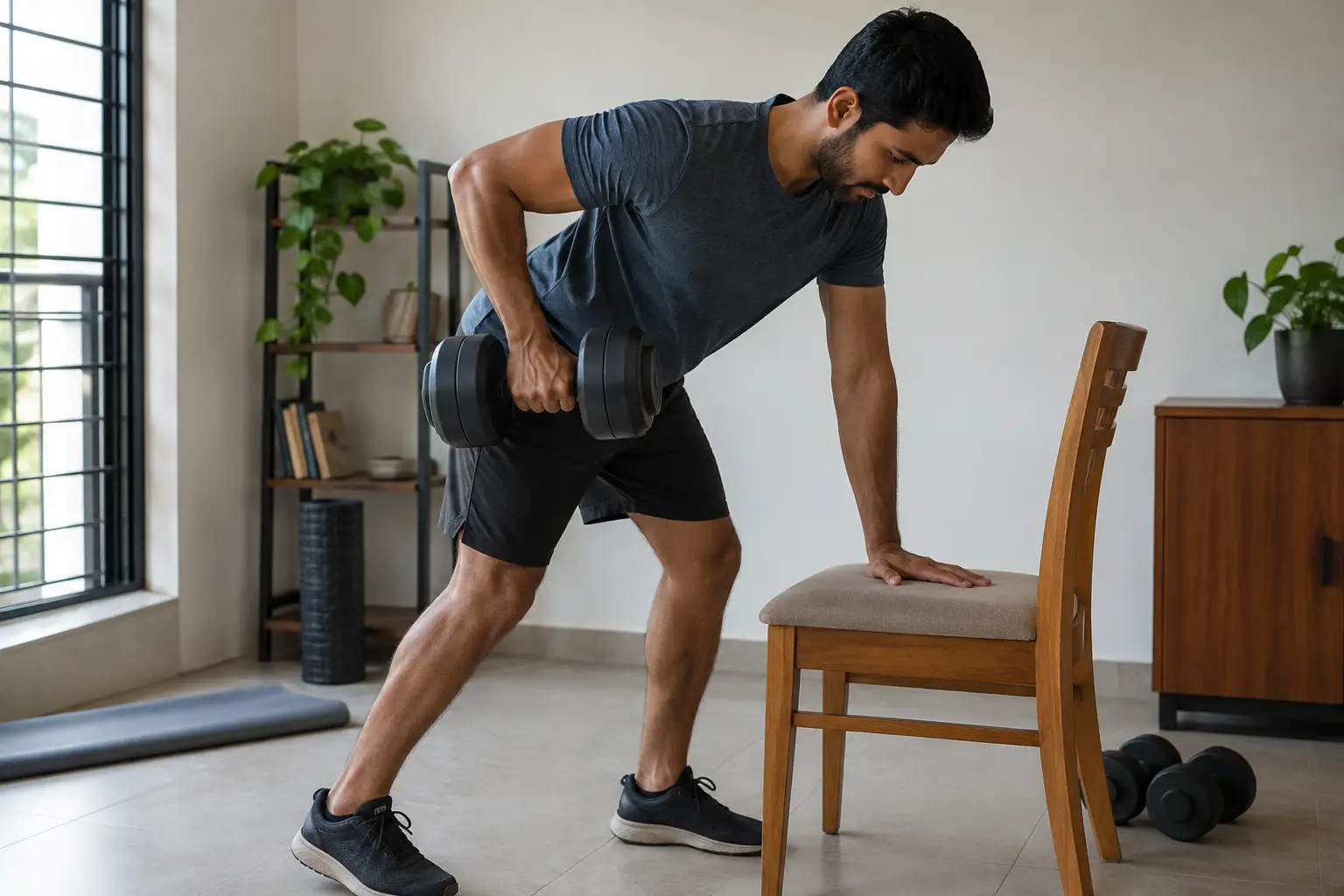
For a simple home session, try two or three rounds of chair squats, incline push-ups against a sturdy surface, and hip hinges. Choose a version you can perform with control, and leave time to recover between sessions. If you already follow a workout plan, use that instead of adding exercises just to “earn” your breakfast.
9:00 p.m.: Set up tomorrow, then review the pattern
Take two minutes to prepare a container, check whether dahi or milk is available, or set aside a portion of leftover chicken. Small preparation steps make it easier to follow through when you are tired.
You can also note which breakfast kept you satisfied and which one was easiest to prepare. Look for patterns over several days, not a single morning. If you are working on weight loss, your trend over time matters more than whether one meal was especially high in protein.
A structured plan can help if you are tired of deciding from scratch each day.
Make high protein Pakistani breakfast ideas without eggs work for you
Start with two options you like, check what ingredients are already in the kitchen, and prepare one item the night before. Use estimates as a guide: a serving of chicken or paneer can make a meal more protein-dense, while dahi, chickpeas and daal can add variety and fit family meals.
Keep your plan flexible enough for early shifts, shared kitchens and changing workdays. If you want support from a weight loss coach in Pakistan, explore personal training options. For direct 1:1 coaching, Premium coaching is available through coachusman.com.
Want a plan built around your job and your food? Start 1:1 coaching at coachusman.com. Want Coach Usman to coach you 1:1? Choose Premium coaching at coachusman.com.
This is general fitness information. If you have concerns about changing your diet or exercise routine, discuss them with a qualified professional.
FAQ
What is a high-protein Pakistani breakfast without eggs?
Try paneer with roti, leftover chicken with roti, dahi with oats and milk, or chana with dahi. Protein varies with portion size and preparation, so use the amounts as estimates.
Can I build muscle without eating eggs at breakfast?
Yes. Eggs are optional. Chicken, paneer, dahi, milk, chickpeas and daal can all contribute protein. Your overall food intake and consistent strength training matter more than one breakfast food.
How can I prepare a protein-rich breakfast for a busy workday?
Choose an option the night before and portion it into a container. Portable choices include dahi with oats or a chicken and roti roll. Keep perishable foods chilled until you eat.
How much protein should a Pakistani breakfast have?
There is no single amount that suits everyone. It depends on your overall needs and daily meals. The estimates in this article can help you compare options, but portion sizes and preparation change the totals.
Are daal and chickpeas good options for breakfast without eggs?
Yes. Daal and chickpeas provide protein as well as carbohydrates, and can fit into a filling breakfast. Pair them with dahi or another familiar food if you want a more substantial meal.
Can I eat roti with a high-protein breakfast?
Yes. Roti can be part of breakfast alongside foods such as paneer, chicken, daal or chana. Choose a portion that fits your appetite and the rest of your day.
Coach Usman, 12+ years of coaching experience
1:1 online coach for Pakistani men worldwide, building fat-loss plans around real jobs, shifts and desi food.
coachusman.comWant a coach who builds the plan around you?
Coach Usman builds your diet and training around your job, your schedule and the desi food you already eat.
Start with Coach UsmanComments (0)
No comments yet. Be the first.