In this article
- Why is weight loss harder when I drive for work all day?
- What should I eat before a long driving shift?
- How can I plan meals around uncertain breaks?
- What can I do about snacks and drinks on the road?
- How can I move more if I sit behind the wheel all day?
- How do I handle late meals after a driving shift?
- How can I tell if my approach is working?
- What is a realistic plan for my next driving shift?
Want a plan built around your job and desi food? Try 1:1 online coaching with Coach Usman.
When your workday is measured in miles, it is easy for meals to become whatever is quickest at the next stop. If you are wondering how to manage weight loss when you drive for work all day, focus on choices you can repeat: plan a few food options, keep portions steady, and add safe movement when you are parked. You do not need to eat perfectly or turn every stop into a workout.
Long hours in a vehicle can mean unpredictable breaks, tempting convenience-store snacks, and little time to prepare food. For Pakistani and South Asian drivers, meals at home may still include roti, chawal, chicken, daal, or sabzi. You can keep these familiar foods and make your routine more workable.
Why is weight loss harder when I drive for work all day?
Driving itself does not prevent fat loss. The challenge is that long, mostly seated hours can reduce your everyday movement, while an irregular schedule can make it harder to plan meals. When hunger catches up, the easiest option may be a large takeaway meal or several snacks eaten across the shift.
Fat loss generally requires taking in fewer calories than you use over time. You do not have to calculate every bite to make progress, but portions, drinks, snacks, and meal choices all contribute. The aim is to make your usual day a little easier to manage—not to punish yourself for having a driving job.
Start by noticing where your routine gets difficult. Is it the first meal, a long gap between breaks, late-night hunger, or buying food whenever you stop for fuel? Pick one pressure point to work on first.
What should I eat before a long driving shift?
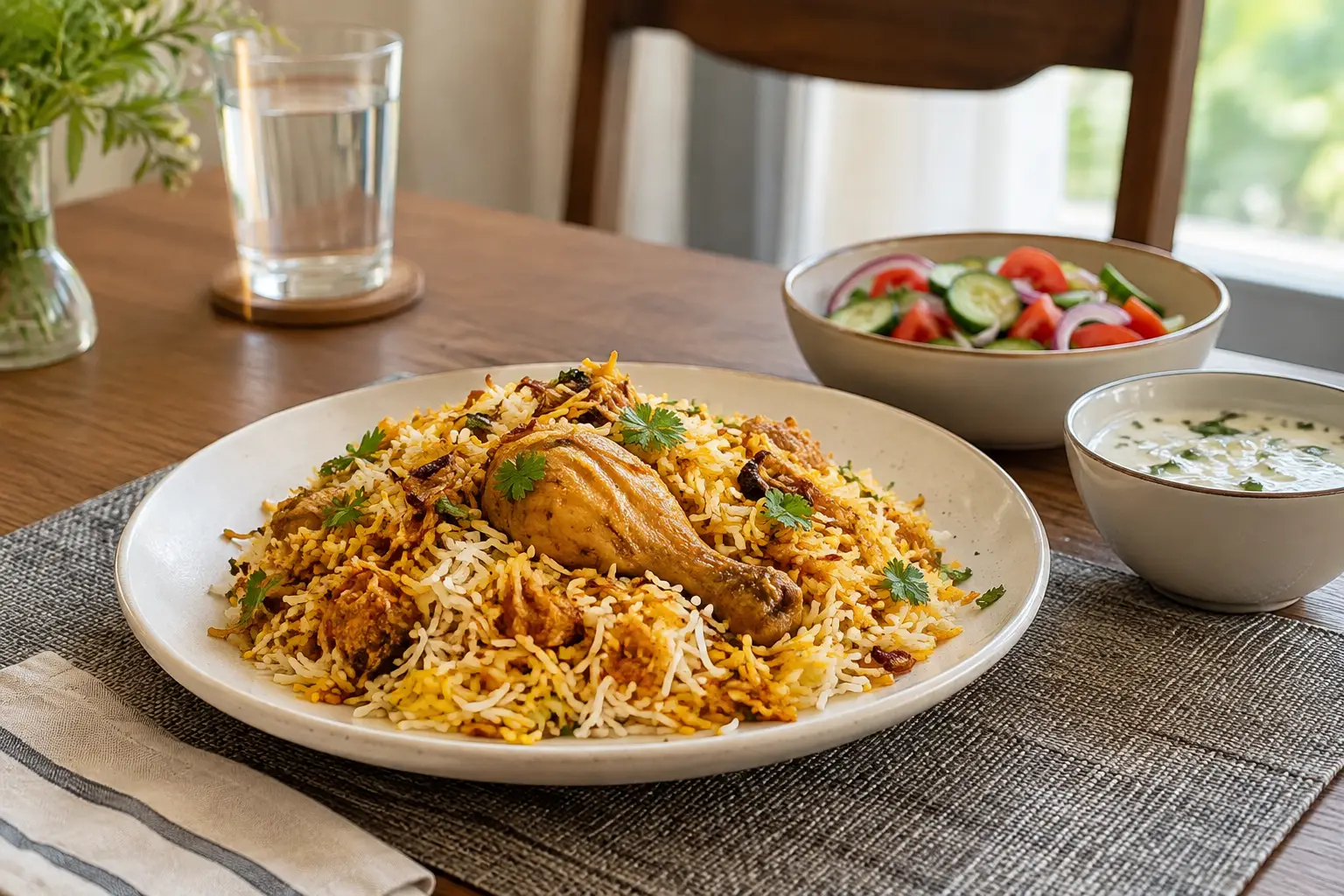
Choose a meal that is satisfying and easy to fit into your schedule. Include a clear protein source, a sensible portion of a filling carbohydrate, and fruit or vegetables when available. For example, you could have chicken with one or two rotis and salad, or daal with a measured serving of chawal and vegetables.
Protein amounts vary by recipe and portion, but a palm-sized cooked chicken serving may provide roughly 25–30 grams. One cup of cooked daal often provides around 10–18 grams, depending on thickness and ingredients. These are estimates, not exact values. If you want more ideas for a filling first meal, see high-protein Pakistani breakfast ideas without eggs.
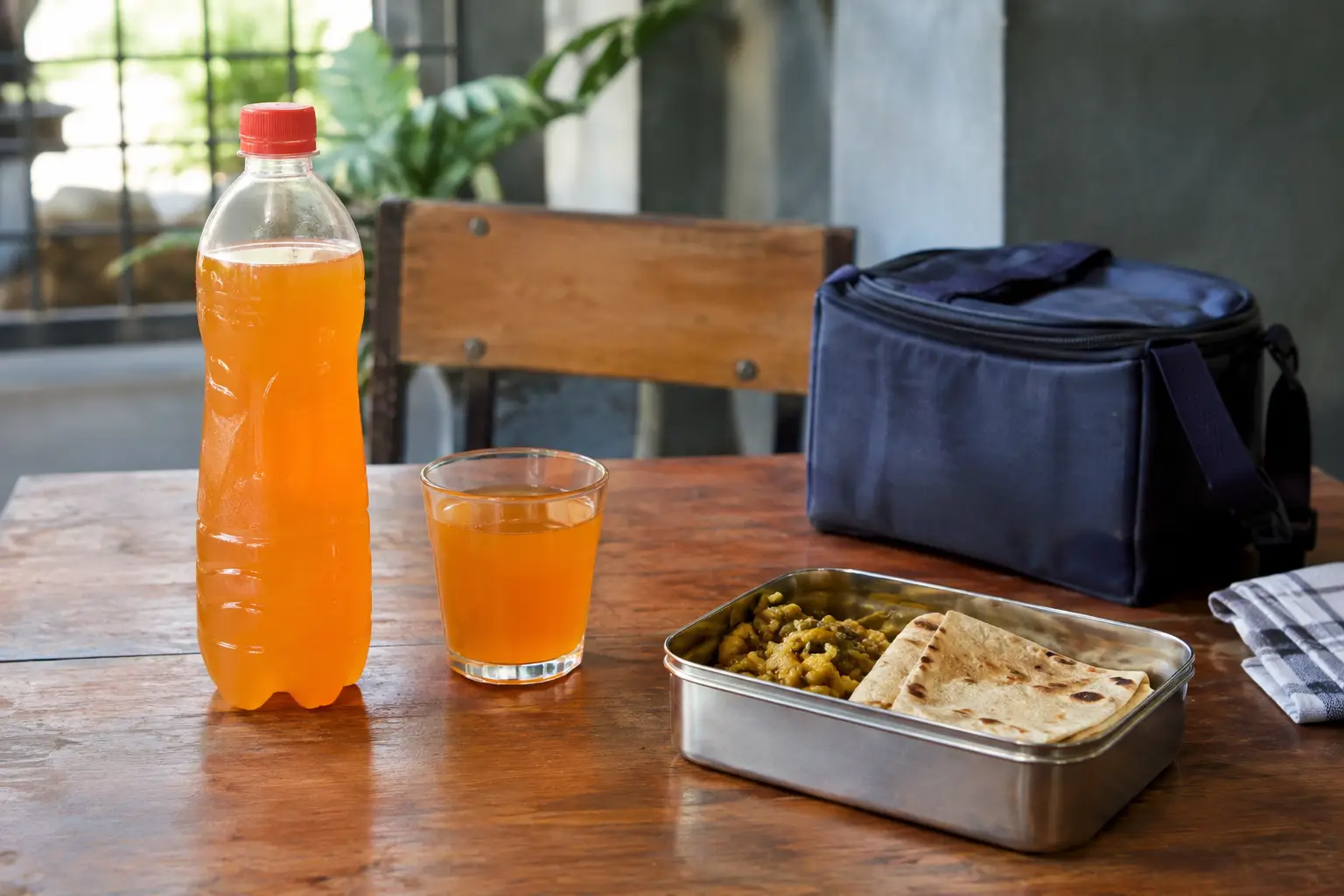
If you leave early and cannot sit down for breakfast, prepare something portable before your shift. A chicken roti roll, plain yogurt with fruit, or a simple sandwich can be easier to plan than relying on whatever is available later. Keep food at a safe temperature; use an insulated bag and cold pack for perishable items, or choose shelf-stable options where practical.
A planned meal does not need to be fancy; it needs to be available when hunger arrives.
How can I plan meals around uncertain breaks?
Avoid building your whole day around an exact meal time if your route changes. Instead, have a basic plan for the first meal, the main meal, and one backup option. The backup is useful when traffic, deliveries, or a changed shift pushes your break later than expected.
Try this simple routine:
- Before leaving, decide what your first meal will be and where you can stop for the next one.
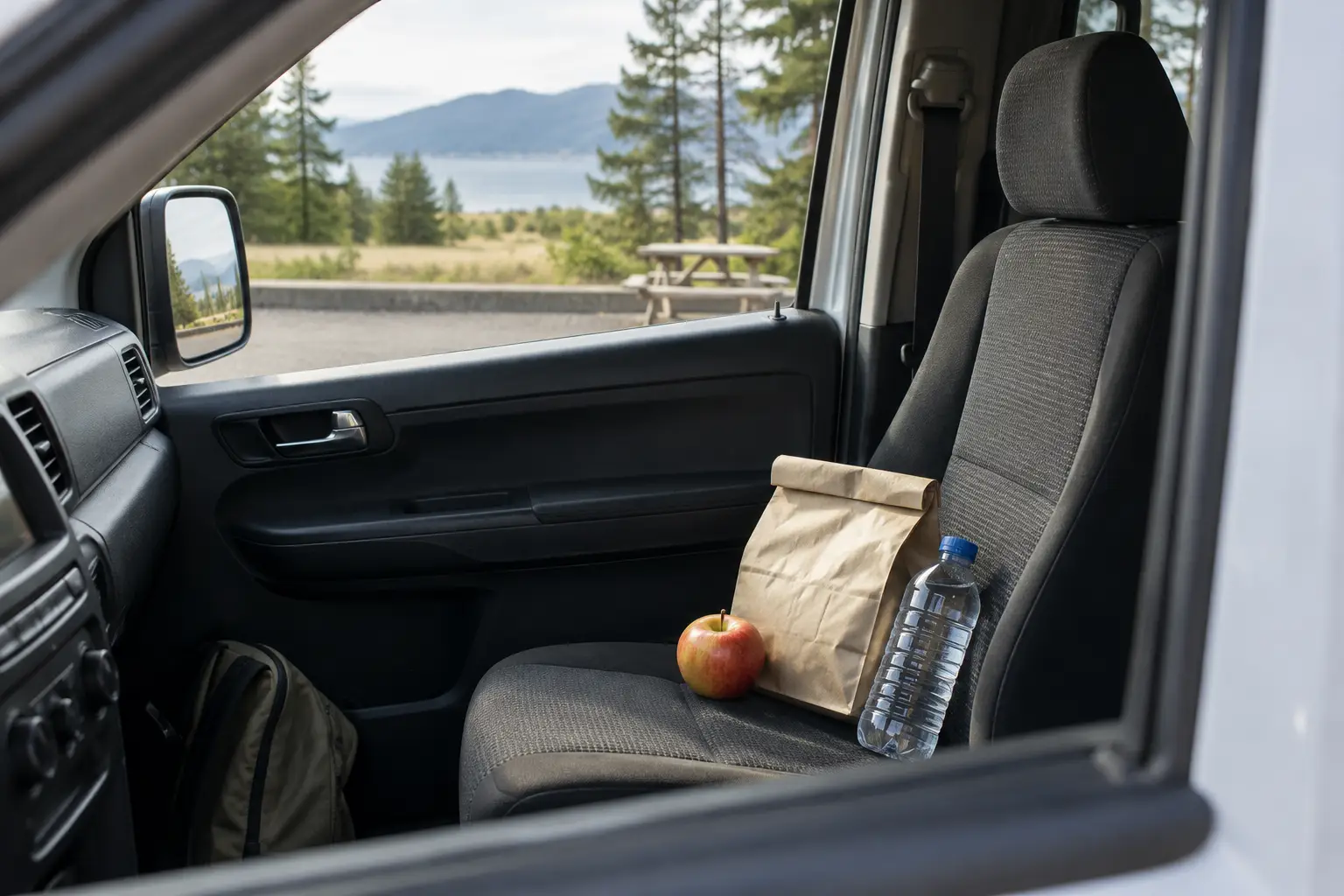
- Carry water and a practical snack, such as fruit, roasted chickpeas, or a portioned pack of nuts.
- When you stop, pause long enough to decide what you need instead of buying several items automatically.
- At your main meal, include a protein source and choose a portion of roti or rice that suits your hunger and the rest of the day.
A handful of nuts can be nutritious but is also easy to overeat, so portion them before the shift rather than eating from a large bag. If you buy a meal, look for a familiar combination such as grilled chicken, roti, and salad, or daal with a controlled rice portion. You do not need to avoid all takeaway food; making the meal more predictable is a useful first step.
If you track food, use the same reasonable estimate for repeat meals rather than trying to find a perfect entry each time. This guide on checking Pakistani food entries in a calorie app can help you compare options without getting stuck on tiny differences.
What can I do about snacks and drinks on the road?
Snacks can add up when they are eaten without noticing, especially during a long shift. Before each stop, ask yourself whether you are hungry, thirsty, tired, or simply taking a break. There is no need to judge the answer; noticing the pattern helps you choose what to do next.
Make the easy choice more helpful by carrying a few planned options. Fruit, yogurt kept cold, roasted chickpeas, or a pre-portioned snack can all work, depending on your preferences and storage. If you want a snack from a shop, choose one portion and eat it deliberately instead of keeping a large packet beside you while driving.
Pay attention to drinks too. Water, sparkling water, or unsweetened tea can be simple choices. Sweetened drinks, specialty coffees, and energy drinks may add calories that do not keep you full for long. You do not have to ban them, but noticing how often you have them can show you an easy place to adjust.
Never eat, use your phone, or handle food in a way that distracts you while driving. Wait until you are safely parked. Your safety and the safety of others come first.
How can I move more if I sit behind the wheel all day?
You cannot replace safe driving with exercise, and you should never exercise while responsible for a moving vehicle. But you can use suitable breaks to interrupt long periods of sitting. When you are parked in a safe place, take a short walk, stand and stretch gently, or walk around the rest area before getting back in.
A few small movement breaks are not a magic fat-loss method. They can, however, help you build a less sedentary routine and make walking feel more normal. Follow your work rules and choose a safe location. Do not walk near traffic or stretch in a way that risks injury.
On days off, a short home workout can also help you maintain strength. Try two or three rounds of chair squats, wall push-ups, and standing hip hinges, using a comfortable range of motion. For example, do 8–12 controlled repetitions of each, rest as needed, and stop if you feel pain or unwell. Start with fewer repetitions if you are new to exercise.
How do I handle late meals after a driving shift?
If your shift ends late, you do not need to skip dinner to compensate for eating earlier. Make a normal meal and pay attention to the portion. Roti, chawal, daal, chicken, and vegetables can all fit. Try serving your food once, eating at a comfortable pace, and waiting briefly before deciding whether you want more.
If you regularly arrive home extremely hungry, the fix may be earlier in the day. A planned snack or a more filling meal before the final stretch can make it easier to eat a reasonable dinner. Look at the whole day rather than judging yourself by the time on the clock.
For more ideas on making meals feel less rushed, read how to eat slower when trying to lose weight. Small changes such as sitting down to eat when safely home and putting your phone aside can help you pay more attention to your meal.
How can I tell if my approach is working?
Use more than one day to judge progress. Body weight can move up and down because of food, fluid, and normal daily changes. If you choose to weigh yourself, do it under similar conditions and look at the trend over several weeks rather than reacting to one reading.
You can also notice whether your clothes fit differently, whether planned meals are becoming easier, and how often unplanned snacks are happening. Keep a brief weekly note with one thing that worked and one thing you want to adjust. Avoid changing everything because of a single difficult shift.
If progress has stalled for a few weeks, check your portions, drinks, snacks, and weekend routine before making a large change. Pick one manageable adjustment and give it time. Consistency across ordinary workdays matters more than a perfect day followed by giving up.
There is a 7-day money-back option. For more about coaching support, visit weight loss coach Pakistan.
What is a realistic plan for my next driving shift?
Keep the next shift simple. Before you leave, choose one meal to prepare or buy, pack one planned snack, and decide where a safe walking break might fit. During the shift, drink according to your needs and take breaks when your work schedule and road safety allow. After work, have a normal meal rather than treating the day as either a success or a failure.
A busy driving job may make routines less predictable, but you can still create a few steady habits around it. Start with the part that causes the most trouble, then build from there. If you want personal coaching with direct chat and weekly check-in reviews, Premium 1:1 coaching is the higher-support option.
Want a plan built around your job and your food? Start 1:1 coaching at coachusman.com. Want Coach Usman to coach you 1:1? Choose Premium coaching at coachusman.com.
This is general fitness information, not medical advice. Please talk to a doctor before changing your diet or exercise routine, especially if you have a health condition.
FAQ
Can I lose weight if I drive for work all day?
Yes. Driving does not prevent weight loss. Plan portions and snacks, choose meals that keep you satisfied, and build safe movement into breaks when your schedule allows.
What are good foods to take on a long driving shift?
Portable options include a chicken roti roll, fruit, roasted chickpeas, or yogurt kept cold in an insulated bag. Choose foods that suit your storage, route, and personal preferences.
How to manage weight loss when you drive for work all day if your schedule changes?
Use flexible meal options instead of fixed meal times. Prepare one main meal and a backup snack, then review your weekly pattern and adjust one habit at a time.
Coach Usman, 12+ years of coaching experience
1:1 online coach for Pakistani men worldwide, building fat-loss plans around real jobs, shifts and desi food.
coachusman.comWant a coach who builds the plan around you?
Coach Usman builds your diet and training around your job, your schedule and the desi food you already eat.
Start with Coach UsmanComments (0)
No comments yet. Be the first.