In this article
- How can I eat enough protein without exceeding calories on a desi diet?
- Which desi protein foods give me a useful amount without too many calories?
- How do I add protein to meals without adding another full meal?
- What makes protein meals unexpectedly high in calories?
- How much protein should I aim for when losing weight?
- How can I keep portions practical in a shared kitchen?
- Can a plan help me balance protein and calories more easily?
- What should I do next to eat enough protein on a desi diet?
Want a plan built around your job and desi food? Try 1:1 online coaching with Coach Usman.
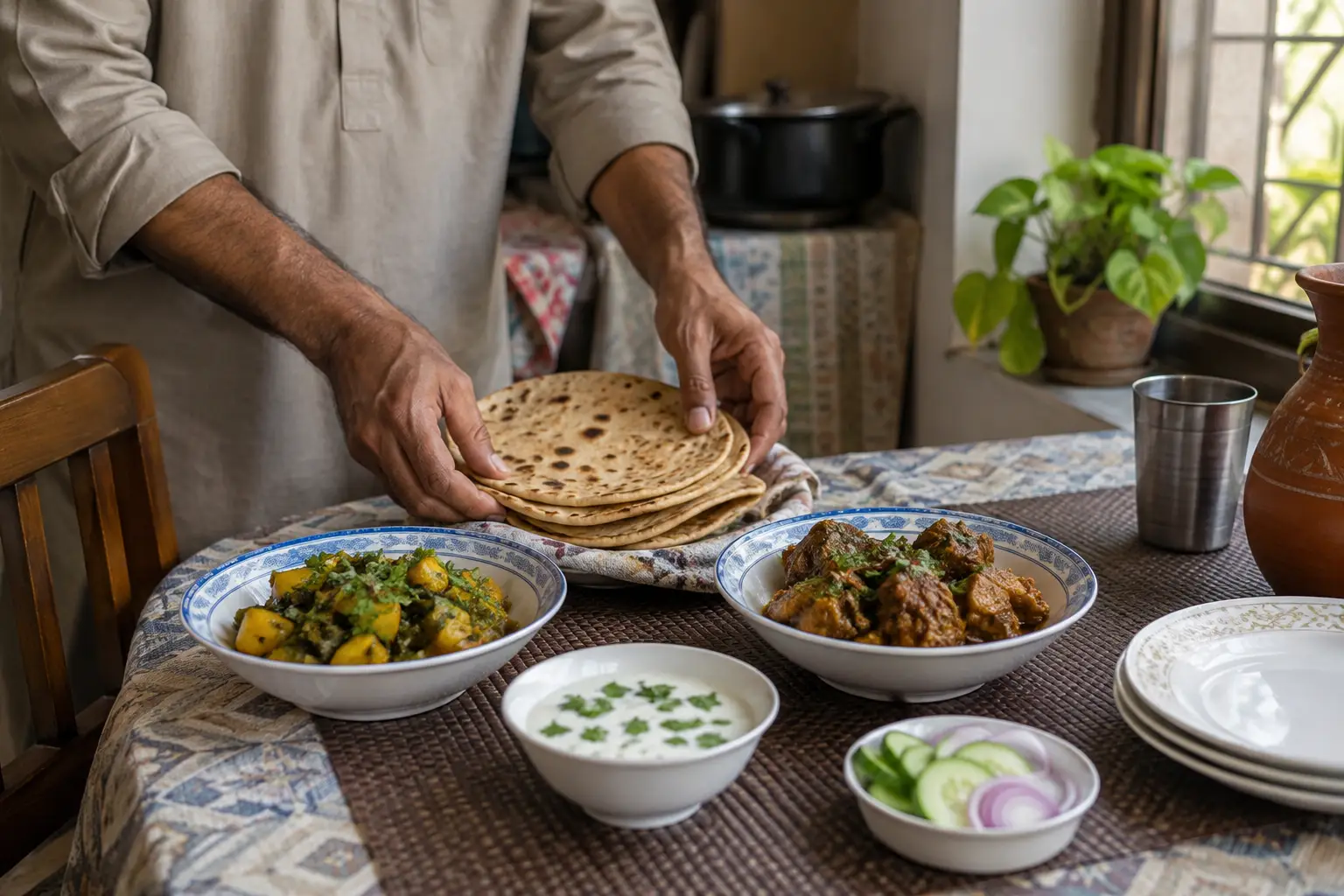
If your plate has roti, sabzi and a little qeema, you may wonder how to eat enough protein without exceeding calories on a desi diet. The answer is not to pile on extra food or remove every familiar meal. It is to choose protein sources thoughtfully, keep an eye on cooking oil and build portions that suit your appetite and routine.
You do not need a perfect meal at every sitting. Aim to make protein a clear part of your main meals, then look at your whole day rather than judging one plate. Small, repeatable changes are usually easier to maintain than a complete menu overhaul.
How can I eat enough protein without exceeding calories on a desi diet?
Start by choosing a protein source before adding more roti, chawal or cooking oil. Protein foods can help make meals more satisfying, but calories still add up across the whole plate. Your goal is a useful balance, not the biggest possible serving.
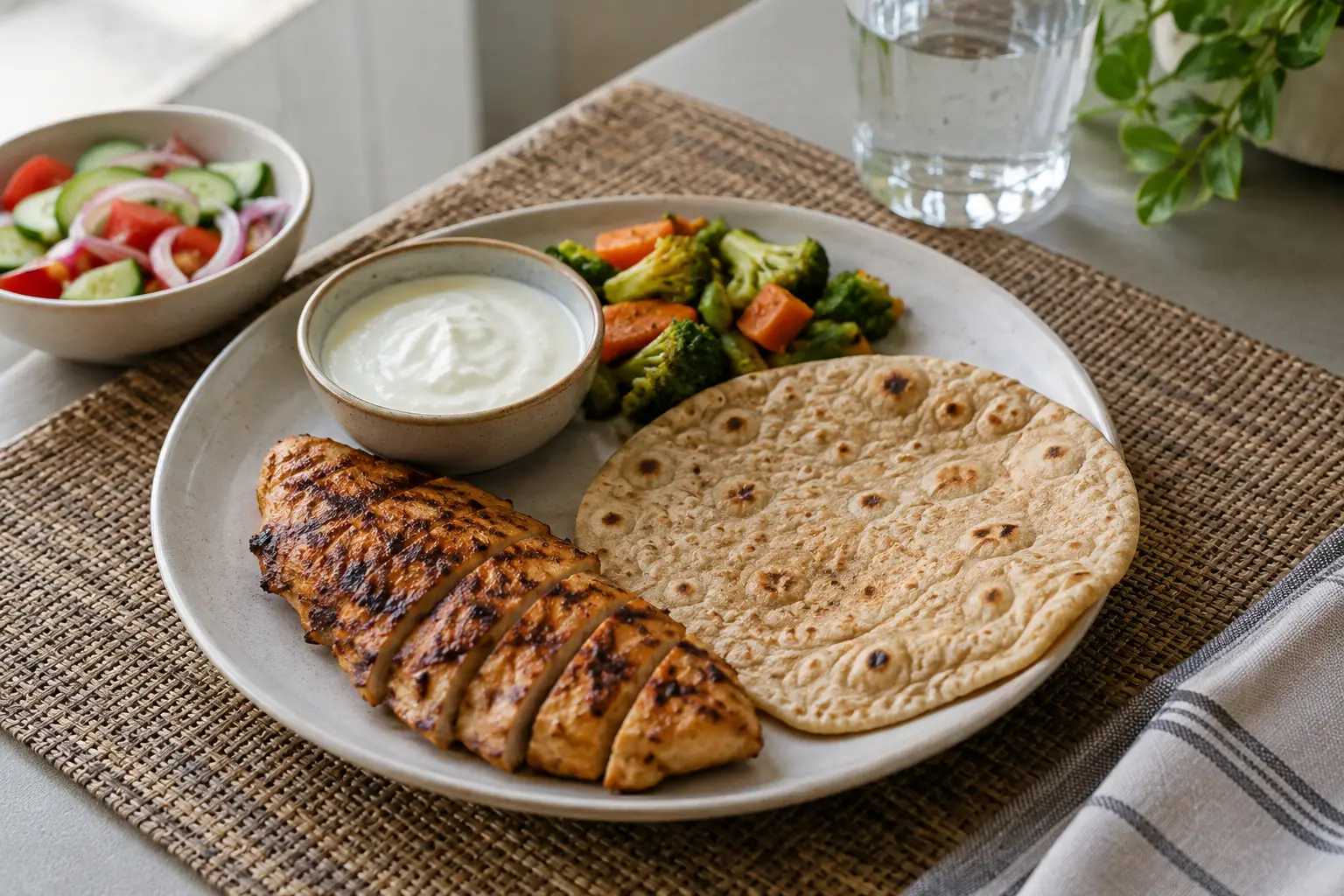
A simple plate can include:
- A palm-sized serving of chicken, fish, lean meat or eggs.
- A moderate portion of roti or chawal, based on your hunger and activity.
- Sabzi, salad or other vegetables when available.
- A measured amount of oil, sauce or dressing rather than an untracked extra pour.
For example, grilled chicken with one or two rotis and sabzi is often easier to estimate than a large, oily mixed dish. A bowl of daal can add protein, but it also contains carbohydrates. You can learn more in this guide to whether daal counts as protein or carbs.
“Build the meal around a protein choice, then make the rest of the plate fit your day.”
Which desi protein foods give me a useful amount without too many calories?
The exact calories and protein depend on the portion, recipe and cooking method. These rough examples can help you compare foods; they are not exact values for every kitchen:
- Two eggs provide around 12–13 grams of protein and roughly 140–160 calories, before added oil.
- A 100-gram portion of cooked chicken breast provides around 30 grams of protein and about 160–180 calories. Thigh meat and added oil can change the total.
- A 100-gram serving of cooked fish often provides around 20–25 grams of protein and about 120–200 calories, depending on the fish and preparation.
- A 100-gram serving of cooked lean beef may provide roughly 25–27 grams of protein and around 200–250 calories, depending on the cut.
- A cup of cooked daal may offer roughly 15–18 grams of protein and around 200–250 calories. Recipe ingredients and serving size matter.
- A cup of plain low-fat yogurt can provide roughly 10–13 grams of protein and around 120–160 calories, depending on the product.
Think of these as planning estimates. A fried egg cooked in extra oil, creamy qeema or a large serving of rich curry will have more calories than a simply prepared version. When comparing your usual foods, use consistent serving sizes and remember to include cooking oil. If you want to understand portions in family cooking, this article explains how to count calories in a shared plate.
How do I add protein to meals without adding another full meal?
Look for small changes to meals you already eat. You may not need a separate snack or a second dinner to improve your daily protein intake. First check which meal is currently light on protein, then add a food that fits your household routine.
Try these swaps and additions:
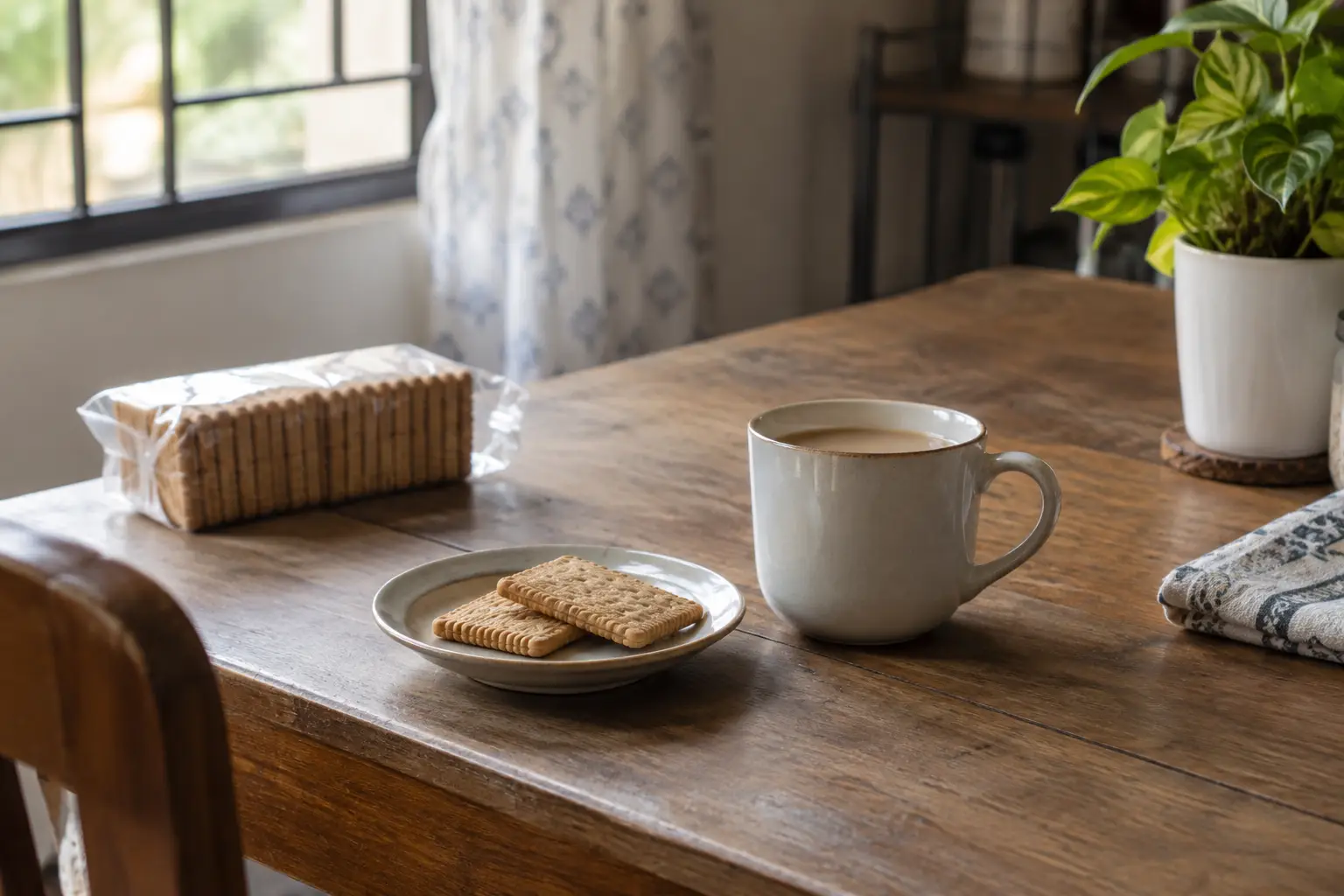
- Add an egg or a portion of chicken to a breakfast that is mostly roti and tea.
- Put a measured portion of chicken, fish or lean qeema beside your usual roti at lunch.
- Serve daal with a smaller portion of chawal and add eggs, chicken or yogurt if that suits your household meal.
- Choose plain yogurt alongside a meal instead of a creamy, calorie-dense sauce.
- Keep boiled eggs or plain yogurt available for a quick option after a long shift.
For example, a busy workday might include two eggs with one roti at breakfast, chicken with roti and vegetables at lunch, and daal with a moderate portion of chawal at dinner. The protein and calories depend on the serving sizes and cooking oil, but the structure gives you a protein source at each main meal without relying on extra snacks.
If a meal already includes a generous protein portion, you do not have to keep adding more. A steady pattern across the day can be more practical than trying to make one meal do all the work.
What makes protein meals unexpectedly high in calories?
Often, it is not the protein food alone. Oil, large portions and rich cooking methods can raise the calories of a meal quickly. This is especially easy to miss in shared dishes, where oil and ingredients are mixed through the pot.
Keep these common details in mind:
- Cooking oil: A generous pour in the handi or frying pan adds calories without making the meal much larger.
- Fatty cuts: Some cuts of meat contain more fat than leaner options.
- Breading and frying: Fried chicken or fish can contain more calories than grilled, baked or lightly pan-cooked versions.
- Creamy gravies: Cream, butter and rich sauces can turn a modest portion into a heavier meal.
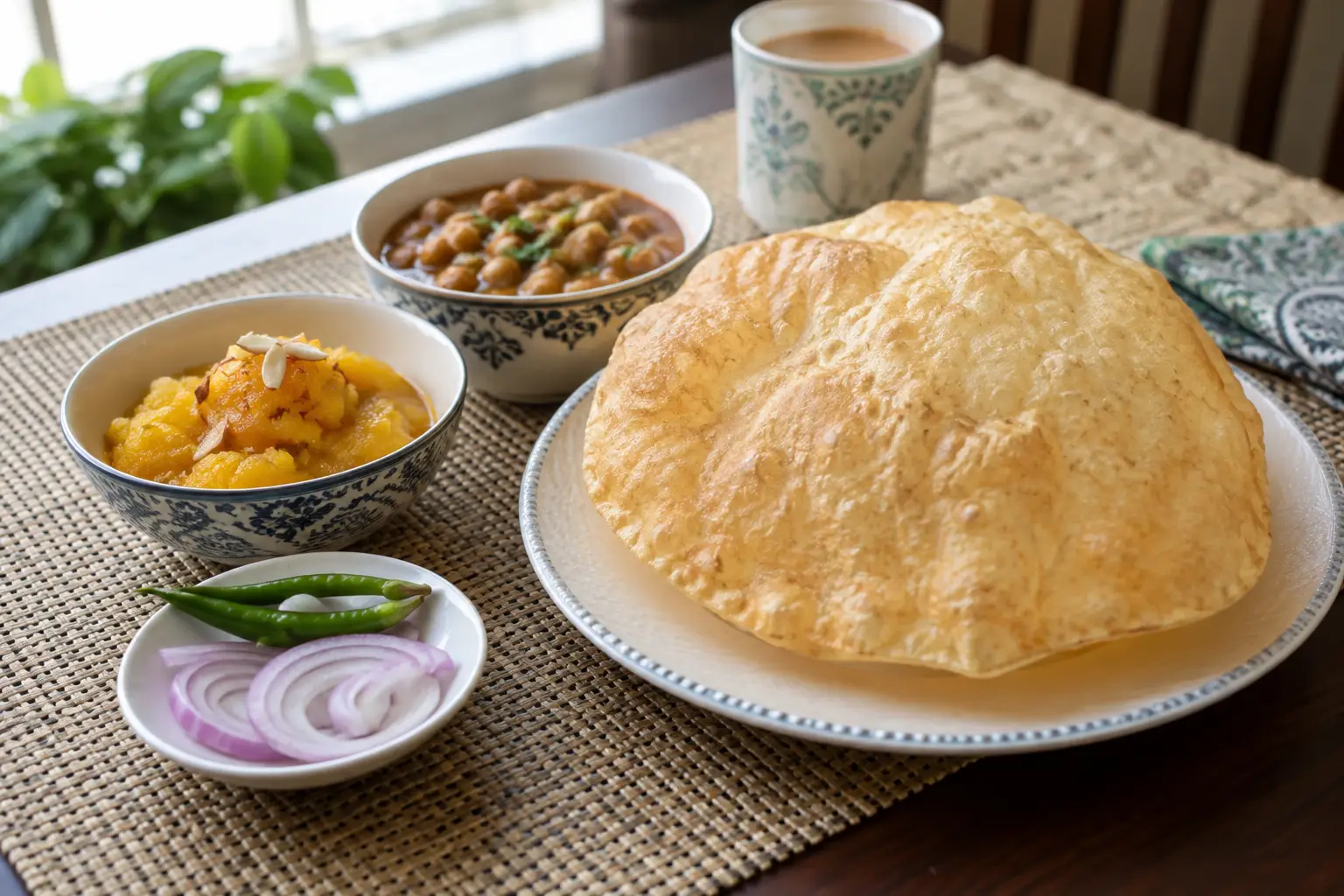
- Extra sides: More roti, chawal or a fried side may push the meal beyond what you planned.
You do not have to ban these foods. Notice how they are prepared and choose a portion that fits your day. If the meal is richer than usual, you can simply make a reasonable serving and return to your normal routine at the next meal. If you are working on weight loss without recording every bite, use the ideas in this guide to losing weight without calorie counting.
How much protein should I aim for when losing weight?
A useful daily target depends on your body size, activity, food preferences and overall plan. There is no single number that fits every man. If you are currently eating very little protein, you can make progress by adding a suitable source to meals you already enjoy rather than trying to change your entire routine overnight.
Spread protein across the day where practical. You might include it at breakfast, lunch and dinner instead of trying to eat a very large serving late at night. If you train, protein can support your general nutrition alongside a sensible strength routine, but you do not need to make every meal a special fitness meal.
For personalised support, a weight loss coach in Pakistan can help you think through food choices and a realistic plan.
How can I keep portions practical in a shared kitchen?
When several people eat from the same pot, you may not know the exact ingredients or oil used. That is normal. Use repeatable estimates rather than chasing false precision. You can focus on what you can see: the amount of solid protein, the serving of roti or chawal, and how much gravy or oil ends up on your plate.
Before serving, decide roughly how much protein you want on your plate. Take that portion first, then add a moderate serving of roti or chawal and vegetables if they are available. If the dish is oily, you can take more of the solid pieces and less gravy. At the next meal, return to your usual routine instead of skipping food to compensate.
Can a plan help me balance protein and calories more easily?
It can, especially if you are tired of guessing what to eat after long workdays. The CU Fit app provides a custom diet built around food you already eat, with a new diet every 30 days. It also includes daily workouts that unlock as you progress, weekly check-ins with photos, weight and waist, and progress charts.
You can use the Coach Usman Assistant chat when you have a question, and a “bad day” reset when a meal or day does not go to plan. After six check-ins, Coach Usman personally reviews your progress. CU Fit is an affordable coaching app, not a promise that you will never have to make food choices yourself.
If you want more direct, personal support, Premium 1:1 Online Coaching is available at coachusman.com/personal-trainer-pakistan. You can also view CU Fit pricing before choosing what suits you.
What should I do next to eat enough protein on a desi diet?
Keep the plan simple: choose a protein food for each main meal, check how it is cooked, and keep portions of roti, chawal and oil sensible for your needs. You can eat familiar foods and still make thoughtful choices. Give the routine time, then review how your hunger, meal consistency and weight trend are changing.
If you want a plan built around your job and your food, start with CU Fit at coachusman.fit for an affordable custom diet and workout plan. Want Coach Usman to coach you 1:1? Choose Premium coaching at coachusman.com. Check with your doctor if you have a medical condition.
This is general fitness information, not medical advice. Please talk to a doctor before changing your diet or exercise routine, especially if you have a health condition.
FAQ
Can I get enough protein from desi foods while losing weight?
Yes. Eggs, chicken, fish, lean meat, yogurt and daal can all contribute protein. Choose portions and cooking methods that fit your overall calorie needs.
Does daal have too many calories for a weight-loss diet?
Daal can fit a weight-loss diet. Its calories depend on portion size and recipe, including added oil. It provides protein and carbohydrates, so consider it as part of the whole meal.
Can CU Fit include desi foods in a custom diet?
CU Fit builds a custom diet around the food you already eat, with a new diet every 30 days. It also includes weekly check-ins and progress charts.
How can I add protein without eating another full meal?
Add a protein food to meals you already have, such as eggs at breakfast, chicken or fish at lunch, or plain yogurt alongside a meal. Keep portions and cooking oil in mind.
Does cooking oil affect the calories in a protein meal?
Yes. Oil adds calories, even when it is mixed into a shared curry or handi. Use a measured amount when cooking where possible, or take more solid pieces and less oily gravy.
Do I need protein at every meal?
You do not need a perfect protein serving at every sitting. Including a suitable protein source in your main meals can make your daily intake easier to manage.
Coach Usman, 12+ years of coaching experience
1:1 online coach for Pakistani men worldwide, building fat-loss plans around real jobs, shifts and desi food.
coachusman.comWant a coach who builds the plan around you?
Coach Usman builds your diet and training around your job, your schedule and the desi food you already eat.
Start with Coach UsmanComments (0)
No comments yet. Be the first.