In this article
- Can walking actually help me lose fat?
- Why shouldn't I eat back the calories on my watch?
- Do I need a big daily step target?
- How fast should I walk for fat loss?
- Is one long walk better than shorter walks?
- What if walking makes me hungrier?
- Should I walk more instead of lifting weights?
- How do I know whether my walking plan is working?
Want a plan built around your job and desi food? Try 1:1 online coaching with Coach Usman.
The calorie number on your watch is not the most useful thing about your walk.
You finish a route around the neighbourhood, check the screen, and feel disappointed. All that walking, and the number looks small. Now you wonder whether you need a steeper treadmill, a heavier backpack, or a much longer route.
Before making walking harder, change how you judge it. For fat loss, the useful walk is usually the one you can repeat without needing extra food, a recovery day, or a free evening.
Can walking actually help me lose fat?
Yes. Walking uses energy and can help you build the calorie deficit needed for fat loss. It is also easy to adjust around work, family responsibilities, and gym sessions.
But walking does not guarantee weight loss by itself. What you eat still matters. So does what happens during the rest of your week.
A regular walk can support your plan. It cannot reliably cancel out portions that keep getting bigger because you feel you have earned them.
If that connection feels confusing, this guide to how a calorie deficit works explains the food and activity balance.
Walking is useful work, not food credit.
Why shouldn't I eat back the calories on my watch?
Because that number is an estimate, not a receipt. A watch or treadmill cannot tell you exactly how much extra food your walk allows.
Imagine finishing a park walk and stopping for a chilled falooda. There is nothing wrong with choosing falooda sometimes. The problem is assuming the walk automatically covers it because your screen showed calories burned.
That turns an uncertain estimate into permission to eat more.
Keep your normal meal plan separate from the tracker. If you are genuinely hungry, respond to hunger with a proper meal or planned snack. Do not let a device decide that you need an extra serving.
In my coaching... I keep walking targets separate from permission to eat more.
Do I need a big daily step target?
You need a useful starting point, not someone else's screenshot.
Check your usual steps across ordinary workdays and days off. Look at the pattern without trying to impress the app. Then choose a manageable increase through a route or walking slot you can actually repeat.
For a man who mostly drives, a regular neighbourhood loop may be a meaningful change. Someone working on a large shop floor may already walk plenty and need to pay more attention to food portions.
Use steps to answer a simple question: am I becoming more active than I was?
Avoid turning the target into a rule that sends you pacing around the bedroom when you should be sleeping.
How fast should I walk for fat loss?
Start with a pace that feels comfortable and controlled. If you can walk more briskly while still talking in sentences, that can be a useful option.
You do not need to turn every walk into a fitness test. A slower walk still involves movement. A brisk walk asks more of you, but it is not automatically better if it leaves you unwilling to go again.
Start on flat ground rather than adding hills immediately. Increase the challenge only when your current route feels manageable.
Sweat is not a score for fat loss. A hot evening in Karachi can make an easy walk sweaty. That does not mean it was more effective than a comfortable indoor walk elsewhere.
Is one long walk better than shorter walks?
Not necessarily. Shorter walks can contribute useful activity without requiring one large gap in your schedule.
Choose the format that creates fewer problems:
- Take a short loop while your child is at a sports lesson.
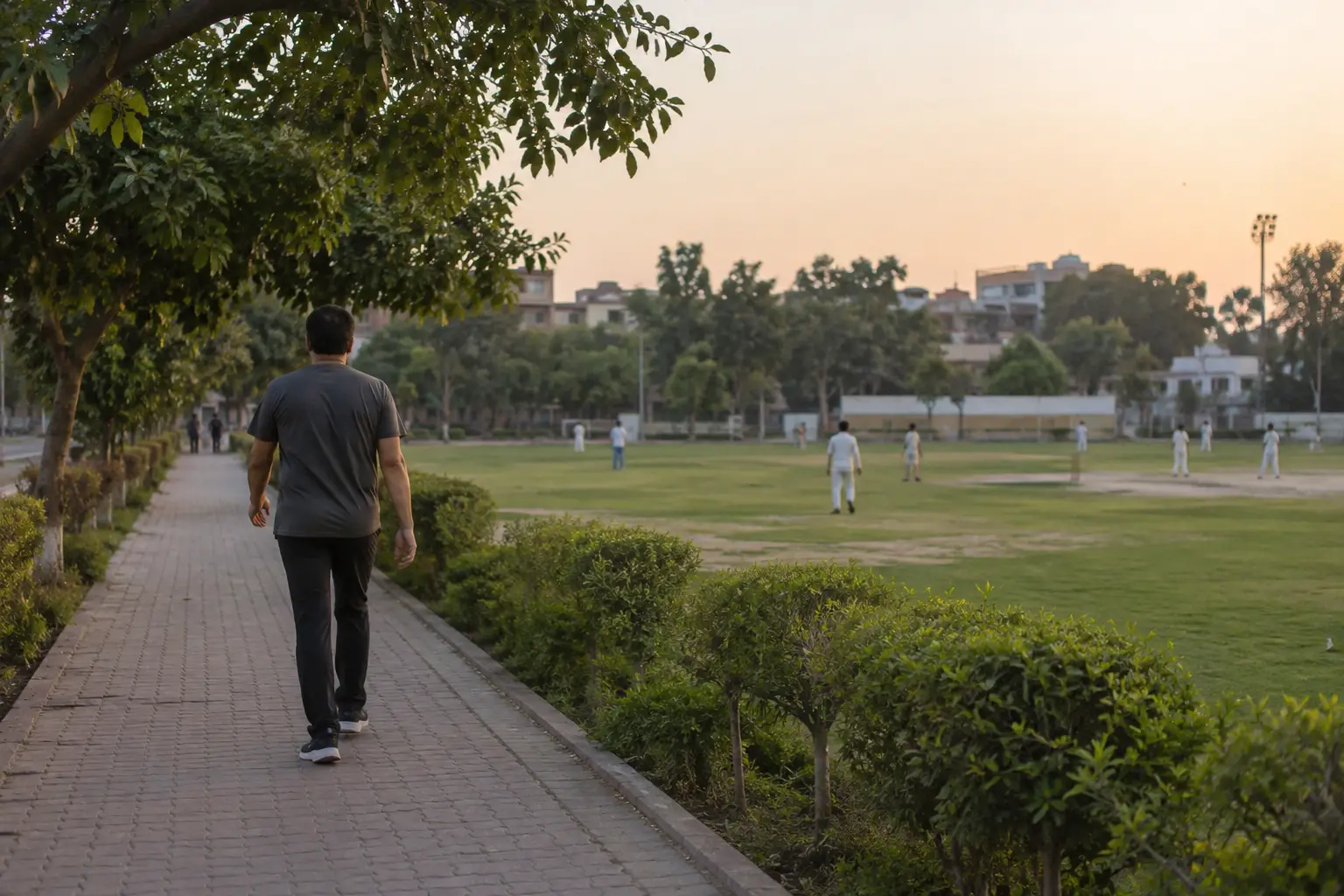
- Walk around the cricket ground while waiting for your turn to bat.
- Use an indoor shopping-centre route during suitable opening hours.
- Enjoy a longer park walk when the weekend genuinely allows it.
The route does not have to look impressive. It needs to be accessible, safe, and easy to use again.
What if walking makes me hungrier?
First, check whether you are blaming the walk for hunger that was already building.
Did you skip a meal? Was lunch mostly bread with a little pickle? Did you leave a long gap before going out?
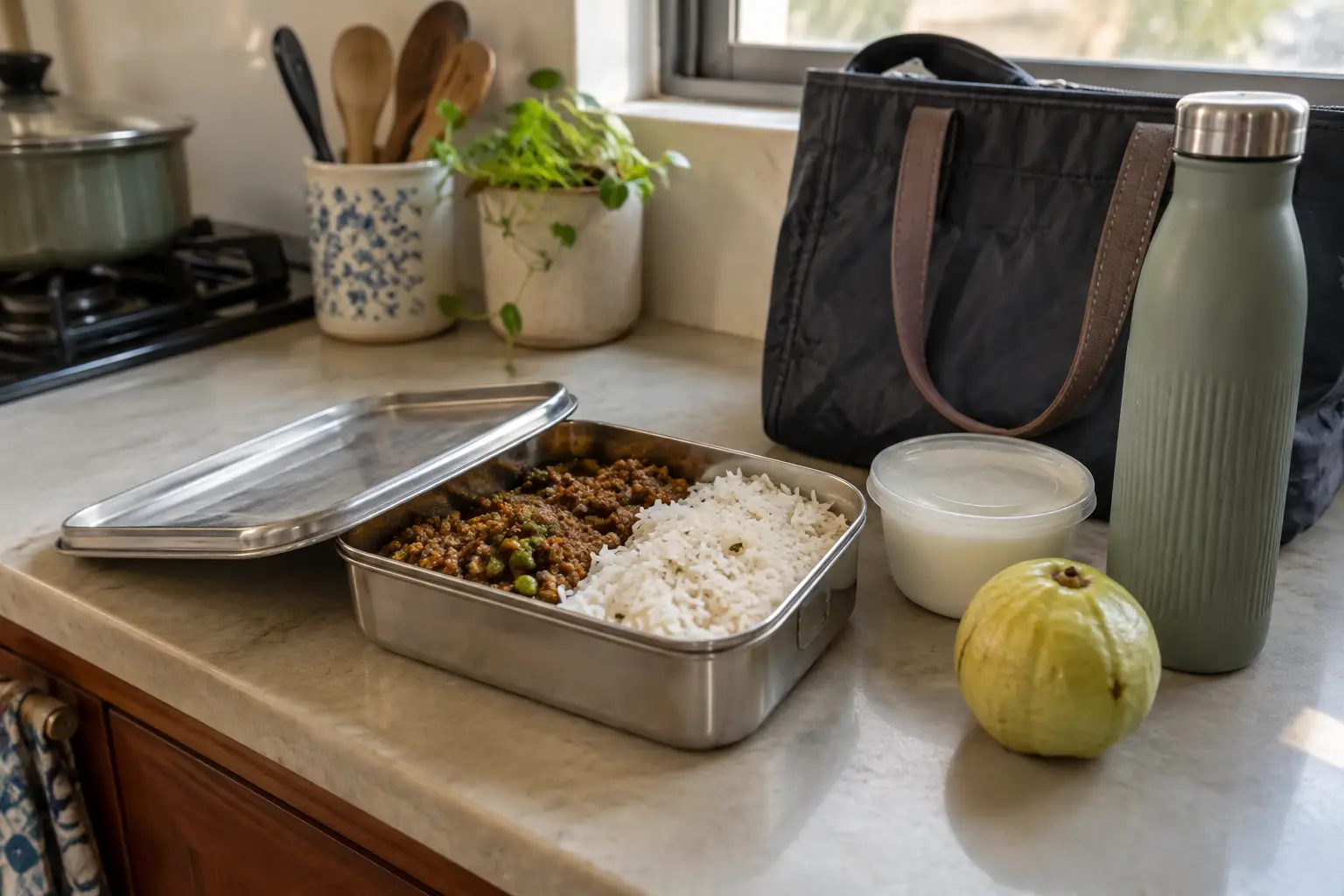
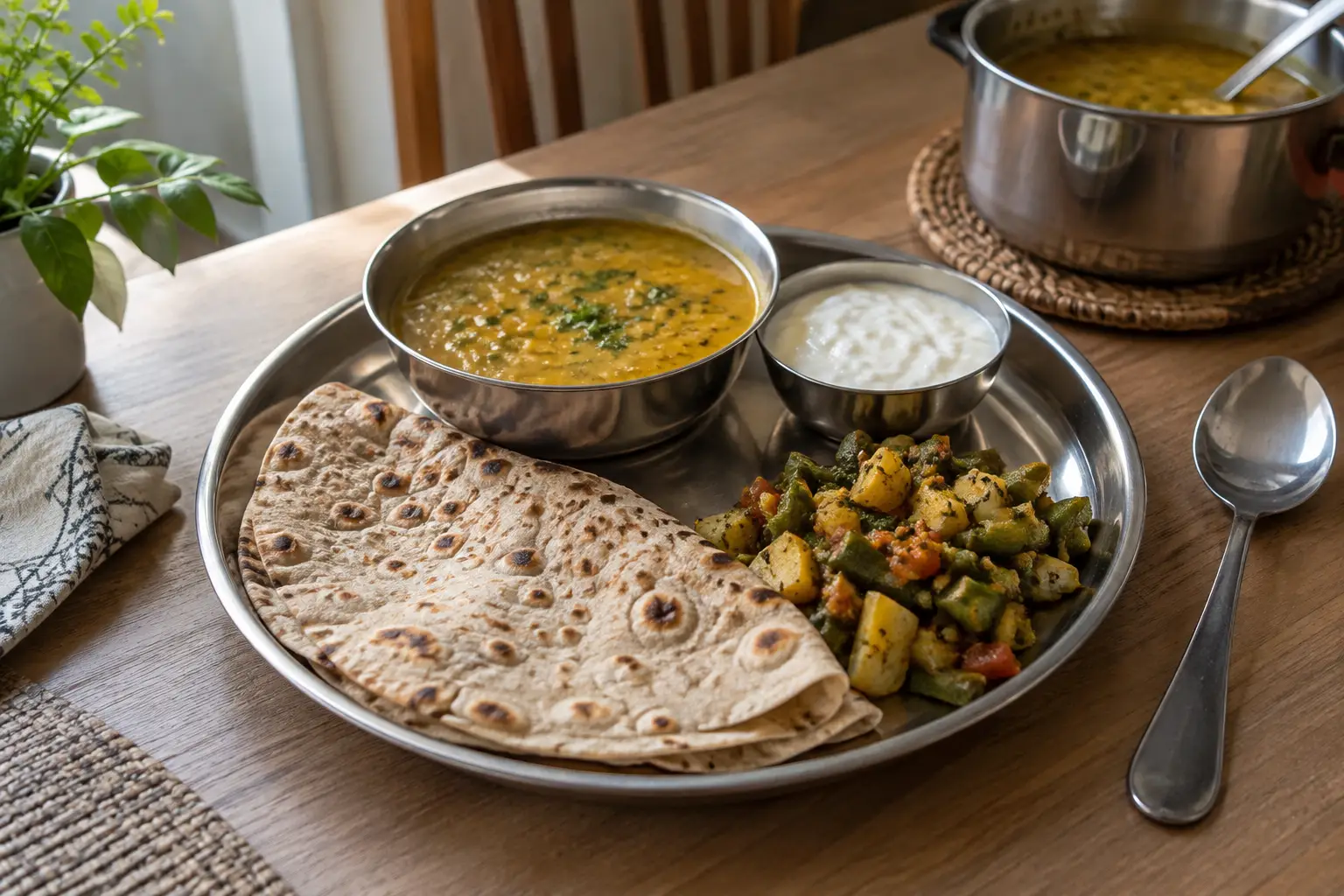
Keep meals satisfying rather than trying to walk on as little food as possible. A meal of lobia, roti, and plain yoghurt can be more useful than grazing on namak para while deciding what to eat. Fish tikka with rice and kachumber is another familiar option.
If protein is regularly missing, use this guide to fixing the meal without protein.
Also check the walk itself. A sudden jump in distance may create more hunger and tiredness than your current routine handles well. More is not always more useful.
Should I walk more instead of lifting weights?
Walking and strength training have different jobs.
Walking helps you add activity. Strength training gives your muscles a reason to stay strong while you work on losing fat. One does not fully replace the other.
Keep walking manageable enough that it does not leave your legs constantly tired for your workouts. You do not need to chase hills after every leg session.
The same applies to rest. If completing your walking target keeps pushing bedtime later, reduce the demand. A plan that competes with sleep and training is harder to maintain.
How do I know whether my walking plan is working?
Review more than the step counter. Look at your weight trend across several weeks, how your clothes fit, your food habits, and whether the routine feels repeatable.
If weight is not trending down, do not automatically double your walking. Check whether extra snacks or larger meals have appeared alongside it.
If walking keeps getting missed, shorten the route or change the location before blaming your discipline.
For your next walk, pick a familiar route, use a comfortable pace, and leave the calorie estimate alone. Finish knowing where walking fits in your plan—not wondering what food you have earned.
This is general fitness information, not medical advice. Please talk to a doctor before changing your diet or exercise routine, especially if you have a health condition.
FAQ
Can walking reduce belly fat?
Walking can support overall fat loss, but it cannot choose where your body loses fat.
Do treadmill steps count?
Yes. Indoor and outdoor walking both contribute activity. Choose the option you can repeat comfortably.
Should I walk before breakfast?
Only if that timing suits you. Walking before breakfast is not required for fat loss.
Do I need a fitness watch?
No. A familiar route or a regular walking slot can help you build a routine without tracking steps.
Coach Usman, 12+ years of coaching experience
1:1 online coach for Pakistani men worldwide, building fat-loss plans around real jobs, shifts and desi food.
coachusman.comWant a coach who builds the plan around you?
Coach Usman builds your diet and training around your job, your schedule and the desi food you already eat.
Start with Coach UsmanComments (0)
No comments yet. Be the first.