In this article
- Getting out of bed: check the day before it fills up
- Breakfast and the school run: start without rushing everything
- The first work block: stop making the desk your whole world
- Lunch break: leave the screen, not the meal
- Afternoon waiting time: use the gap you usually lose
- Homecoming: give strength training a clear place
- Dinner and bedtime: finish without borrowing from tomorrow
Want a plan built around your job and desi food? Try 1:1 online coaching with Coach Usman.
Your day can leave you exhausted without giving you much chance to move.
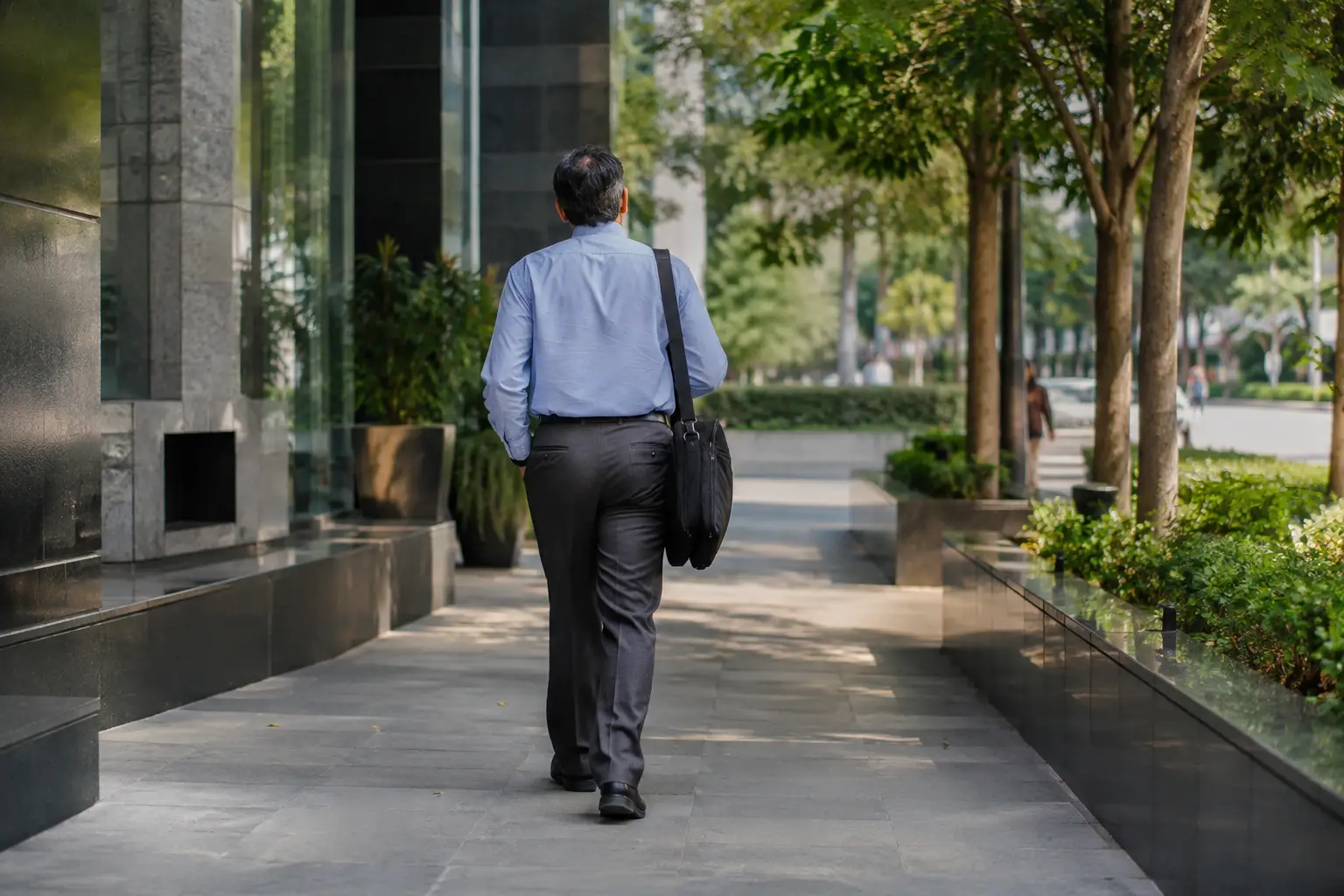
You drive to work, sit through calls, collect the children, then finally sit down at home. You feel busy because you are busy. But most of that effort has happened in a seat.
For men over 35, this is worth checking before blaming age or adding harder workouts. Work and family responsibilities can quietly remove the walking that used to happen without planning.
Fat loss still needs a calorie deficit: taking in less energy than you use over time. Moving more can support that, but it does not cancel out unlimited food.
This day-in-the-life plan focuses on reclaiming small opportunities to move while keeping meals, strength training, and sleep in place. Follow the sequence rather than a particular clock time.
Getting out of bed: check the day before it fills up
Before opening your messages, look at where today is likely to keep you sitting. A long commute? Back-to-back meetings? An evening waiting outside your child's tuition centre?
Choose an existing gap where walking could fit. You are not trying to create a second workout. You are finding time that already exists.
Put comfortable shoes where you will see them. If you work from home, decide which break will take you away from the desk rather than onto the sofa.
In my coaching, I look for unused gaps in the day before adding more demands.
If you track your weight, use similar conditions each time and look at the trend. A single morning reading should not decide how much you eat or how hard you train.
Breakfast and the school run: start without rushing everything
Eat breakfast sitting down if breakfast suits your schedule. Picking at food while packing school bags makes it harder to notice what you have eaten.
An egg bhurji wrap with tomatoes can be a practical option. Prepare what you can ahead of time, and keep the cooking oil reasonably consistent rather than pouring by habit.
Then look at the journey. If the school has a safe walking approach, could you park farther away and walk the final stretch? If you use public transport, could you walk to a slightly farther stop when time allows?
These are options, not rules. Unsafe roads, extreme heat, or a tight school gate deadline change the answer. An indoor walk later still counts.
The first work block: stop making the desk your whole world
Once work starts, movement needs a clear cue. Otherwise, lunchtime arrives before you have stood up properly.
Use the task you just finished as the cue:
- After sending a report, leave the desk briefly.
- During an audio-only call, walk if you can still pay attention.
- Between meetings, take a short corridor lap instead of opening another app.
- When working from home, walk through the house before starting the next task.
Standing can break up sitting, but it is not the same as walking. Include actual movement where possible.
A busy schedule and an active day are not always the same thing.
You do not need a perfect step target immediately. First notice your usual pattern. Then make that pattern a little more active in ways you can repeat.
Lunch break: leave the screen, not the meal
Do not turn the whole lunch break into walking and then work through a rushed meal. Give both eating and movement some space.
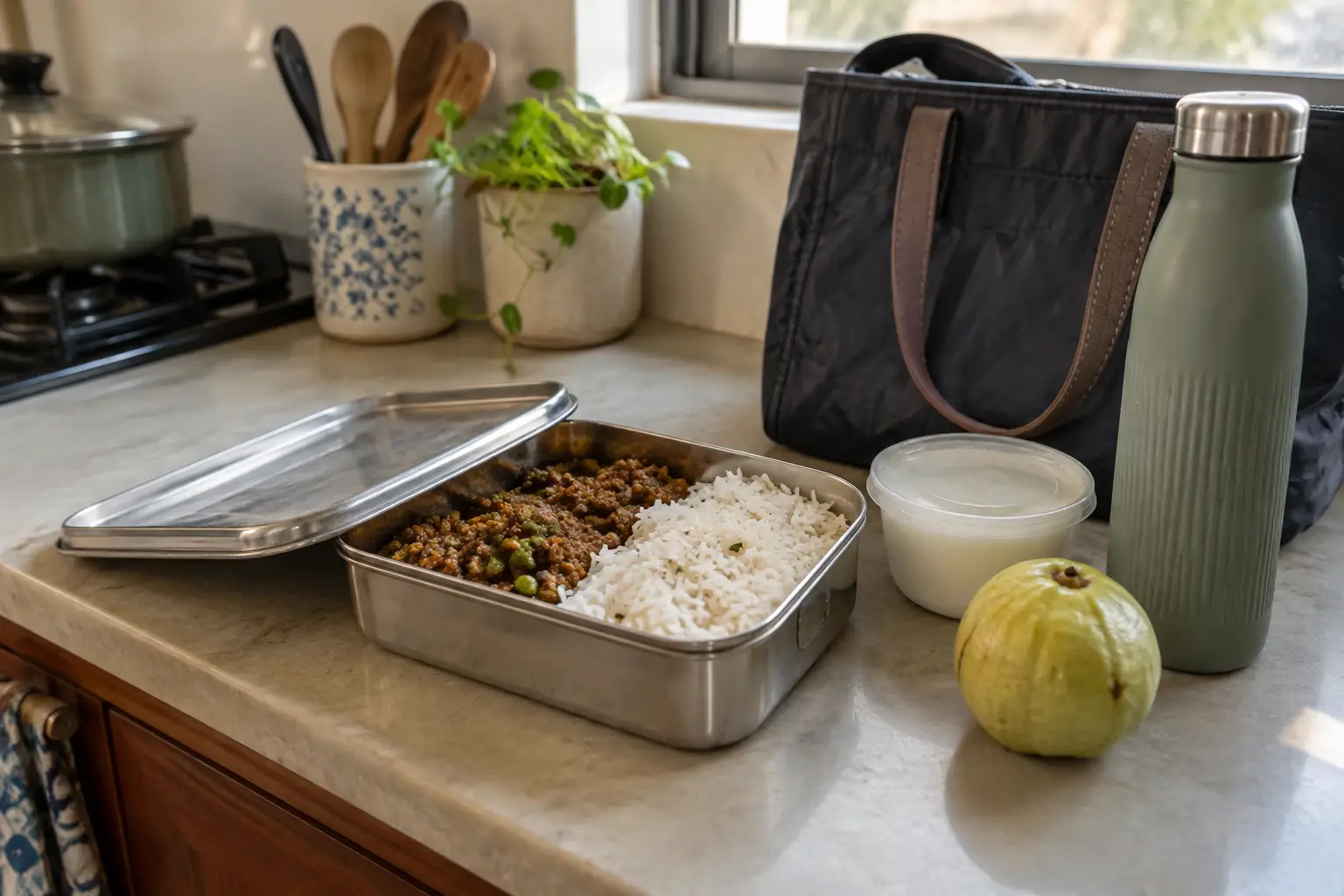
A packed lunch might be leftover fish tikka, rice, and kachumber. Keep the amount of rice and added sauces fairly consistent so you have something useful to adjust later.
Eat away from the keyboard when you can. Once you have finished, use the remaining break for a comfortable walk rather than more scrolling.
Walking supports the plan; meal intake still matters. If that relationship feels confusing, this guide to how a calorie deficit works explains the basics.
For outdoor workers or men already on their feet all day, adding more walking may not be the priority. Food intake, training, and recovery may deserve more attention instead.
Afternoon waiting time: use the gap you usually lose
This is where a desk-heavy day often offers a useful opening. You arrive early for a pickup, wait for a delivery, or sit while your child attends a lesson.
Where it is safe and you can remain available, walk nearby instead of staying in the driver's seat. In Gulf heat or a Canadian winter, an indoor corridor or shopping centre may be more practical.
Hunger also deserves attention here. If dinner is still far away, have a planned snack such as plain yogurt and fruit. Do not use walking to avoid eating when you are genuinely hungry.
The goal is to arrive home with some movement done, not completely drained.
Homecoming: give strength training a clear place
On a planned training day, make the transition specific. Change clothes when you get home, or go to the gym before heading back if that fits family responsibilities.
Strength training helps you retain muscle while losing fat. Walking has a different job. One should not replace the other.
Use a routine you understand, with manageable exercises and controlled reps. Record your sets, reps, and weights so you can judge progress without chasing exhaustion.
You do not need to finish every session gasping. If you want to understand gradual training progress, read about the progressive overload principle.
On a non-training evening, ordinary movement is enough. Help with household jobs or take a relaxed walk with the family rather than forcing another intense session.
Dinner and bedtime: finish without borrowing from tomorrow
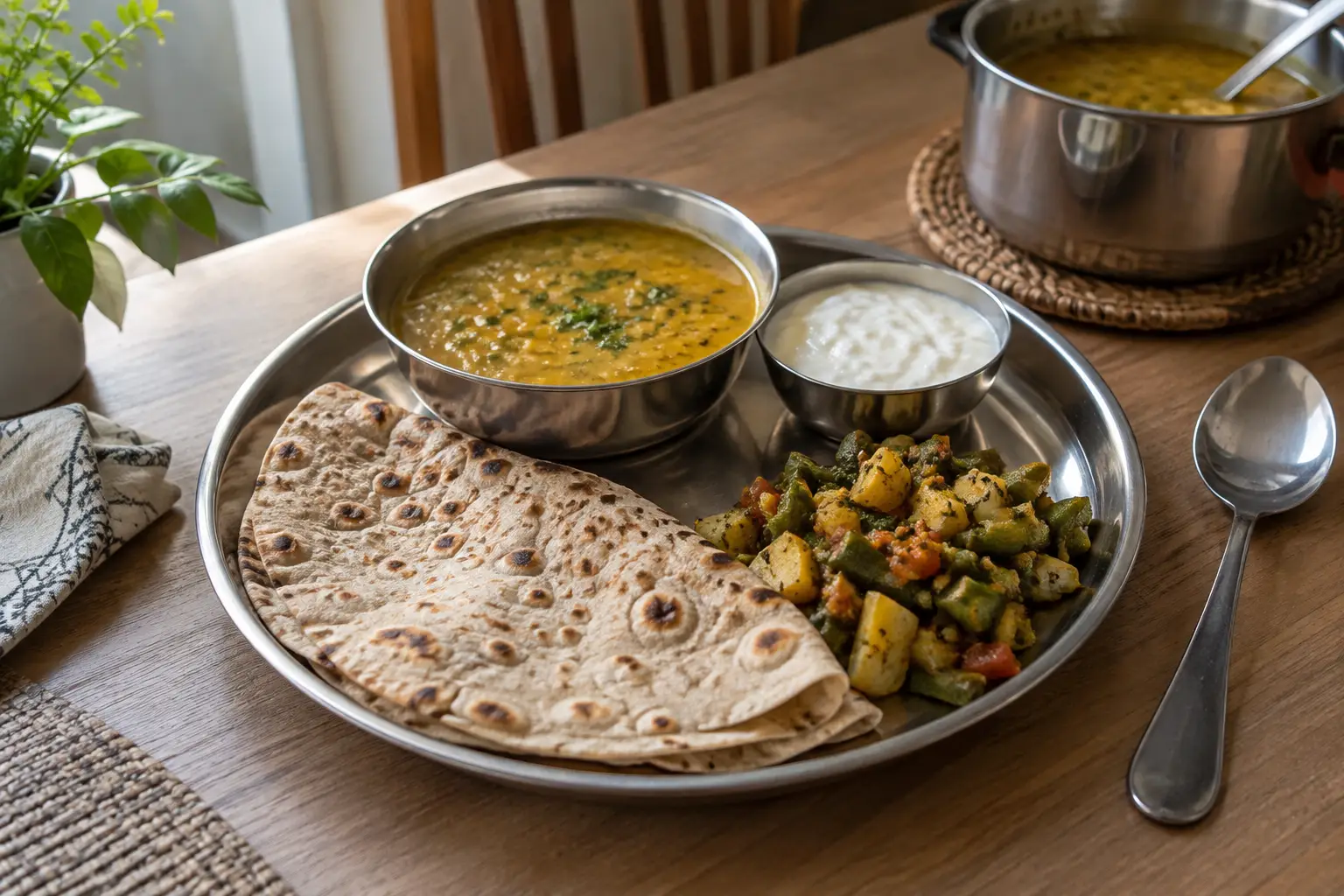
Dinner might be beef keema with peas, chapati, and cucumber raita. Eat a proper meal and pay attention to hunger. Do not automatically increase portions because your step count looks good.
After dinner, help clear the table or prepare tomorrow's lunch. These jobs keep you moving naturally without turning the evening into a fitness project.
Then let the day finish. Chasing extra steps late at night is a poor trade if it cuts into sleep. A regular bedtime supports recovery and can make appetite and energy easier to manage.
Before putting your phone away, ask: which movement opportunity fitted naturally, and which felt forced? Keep the useful one tomorrow.
Fat loss after 35 does not require filling every spare minute with exercise. It needs a workable food plan, strength training, enough recovery, and fewer days spent almost entirely sitting.
This is general fitness information, not medical advice. Please talk to a doctor before changing your diet or exercise routine, especially if you have a health condition.
FAQ
Is fat loss harder for every man over 35?
Not automatically. Changes in work, family responsibilities, activity, and sleep can make it harder to maintain the habits that support fat loss.
Can walking replace strength training?
They serve different purposes. Walking adds daily activity, while strength training helps maintain muscle during fat loss.
Do I need a fixed daily step target?
Start with your current activity and add manageable walking opportunities. A useful target should fit your schedule and recovery.
What if I already have a physically active job?
More walking may not be your best next step. Review meal intake, strength training, sleep, and recovery before adding activity.
Coach Usman, 12+ years of coaching experience
1:1 online coach for Pakistani men worldwide, building fat-loss plans around real jobs, shifts and desi food.
coachusman.comWant a coach who builds the plan around you?
Coach Usman builds your diet and training around your job, your schedule and the desi food you already eat.
Start with Coach UsmanComments (0)
No comments yet. Be the first.