In this article
- Myth: A calorie app must have an exact entry for every Pakistani dish
- Myth: The app with the biggest food database is always best
- Myth: Every serving must be weighed for tracking to work
- Myth: Logging Pakistani meals means giving up family food
- Myth: The app should decide your calorie target without explaining it
- Myth: A tracking app is useful only if you enter every bite immediately
- Myth: A calorie tracking app will do the work of a full plan
- How to choose a calorie tracking app with Pakistani foods: your checklist
Want a plan built around your job and desi food? Try 1:1 online coaching with Coach Usman.
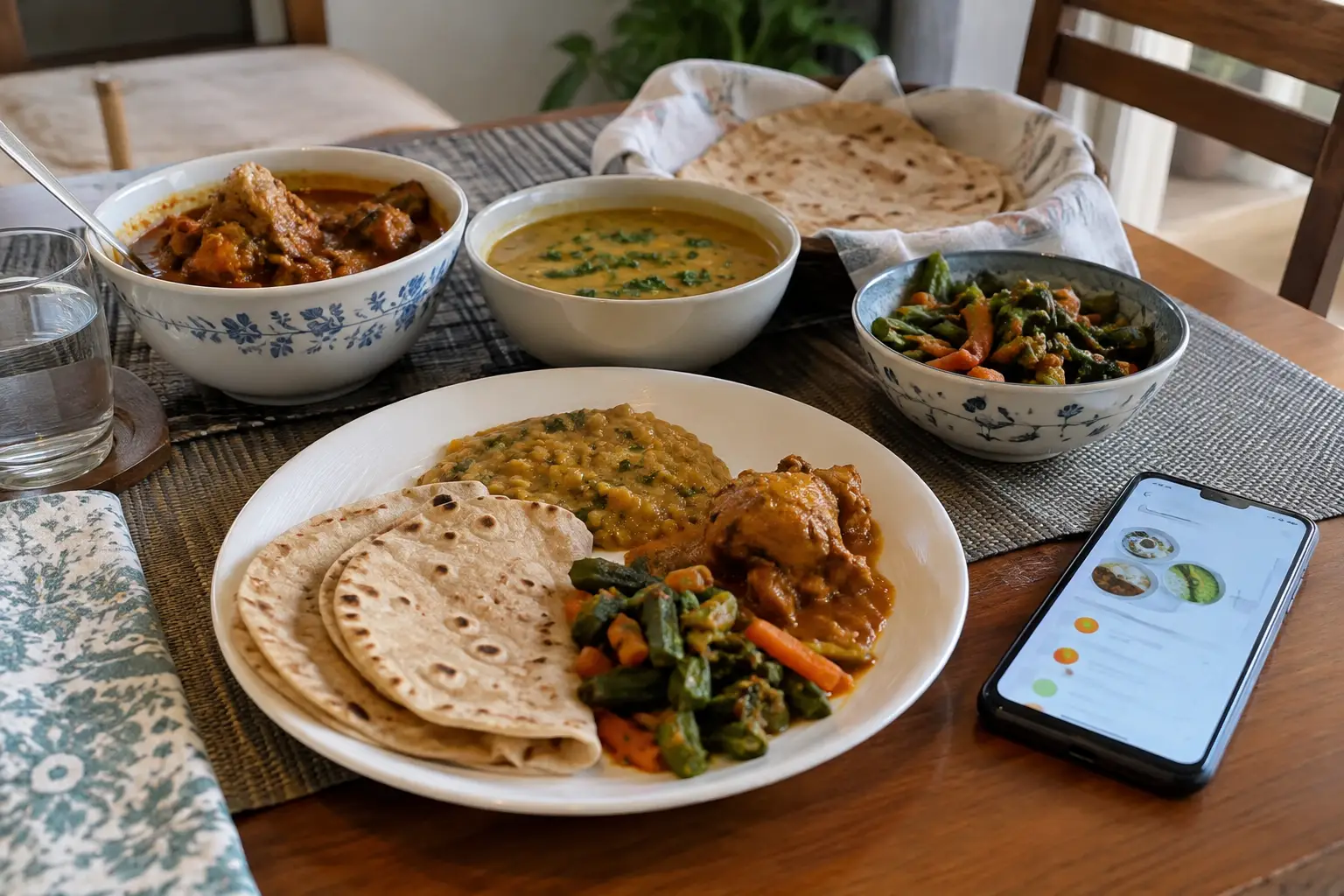
A plate of daal, chawal and salad is easy to describe at home, but it can be surprisingly hard to enter into a calorie tracking app. If you are searching how to choose a calorie tracking app with pakistani foods, focus on whether it helps you make useful, repeatable choices—not whether it claims to know the exact calories in every homemade meal.
For fat loss, tracking can help you notice portions and patterns. But if every meal takes ten minutes to search, weigh and enter, you may stop using the app. Here are common myths to test before you choose one.
Myth: A calorie app must have an exact entry for every Pakistani dish
Fact: Homemade food varies. A qeema recipe can use different amounts of oil, and one family’s serving of daal may be much larger than another’s. No app can know those details from the dish name alone.
Look for an app that lets you build a meal from ingredients or save a meal you eat often. If it only offers one fixed entry for “daal” or “roti,” treat that result as an estimate, not a precise reading.
For a homemade meal, record the main ingredients and the number of portions made. If a pot uses a measured amount of oil and makes four similar servings, you can divide the ingredients across those portions. You do not need to turn cooking into a laboratory exercise; consistency in your estimates is more useful than pretending they are exact.
Myth: The app with the biggest food database is always best
Fact: A huge database can still be frustrating if it shows several conflicting entries for the same food. Search for foods you actually eat, such as roti, eggs, plain yogurt, daal, chicken karahi and chawal. Check whether the app offers sensible serving sizes and lets you adjust them.
Try searching for a food before paying or committing to a long setup. Does the app show a clear portion, such as one roti or a cooked serving of rice? Can you save the meal? If not, you may spend more time navigating entries than learning from your log.
Also check whether the food entry describes the food as cooked or uncooked. A dry measure of rice and a cooked serving are not interchangeable. Use one method consistently, and avoid mixing entries that describe different states.
Myth: Every serving must be weighed for tracking to work
Fact: A food scale can improve estimates, but it is not the only way to build awareness. If weighing every ingredient makes family meals stressful, use a repeatable household measure instead: the same bowl for chawal, the same roti size, or the same serving spoon for a curry.
Start by logging the meals that are easiest to estimate. Packaged foods and simple meals are often clearer than a shared pot. For mixed dishes, use a reasonable estimate and move on rather than abandoning the whole day because one ingredient is uncertain.
The point is to create a record you can learn from. If you consistently log a portion as one bowl, keep that bowl similar over time. Your estimates may not be perfect, but they can still help you spot whether portions are getting larger or meals are missing a filling protein source.
“A tracking habit you can repeat beats a perfect log you quit after three days.”
Myth: Logging Pakistani meals means giving up family food
Fact: A useful tracking method should work with the food available in your kitchen. You do not need a separate “fitness menu” to make progress. Instead, learn how your regular meals fit together and adjust portions where needed.
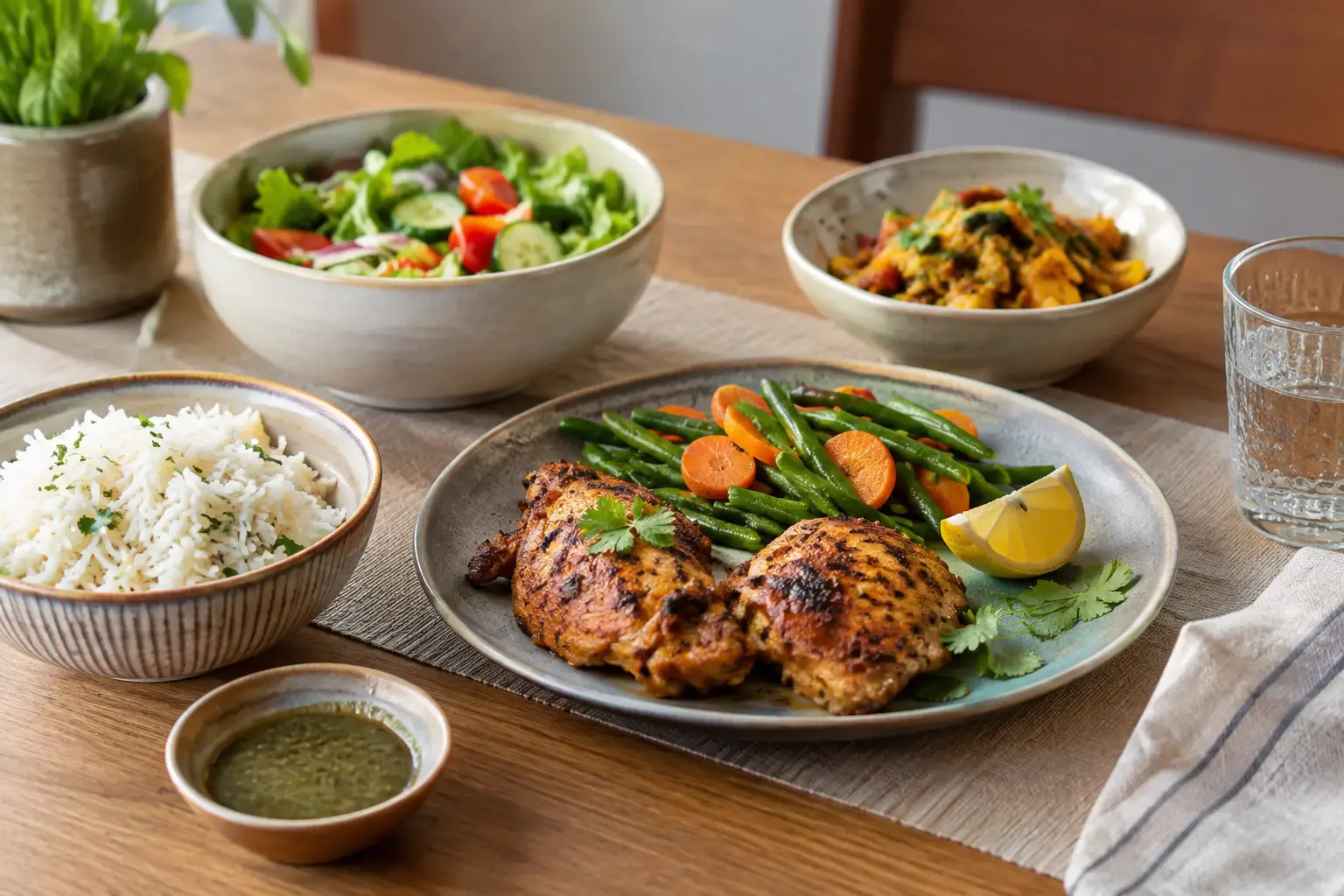
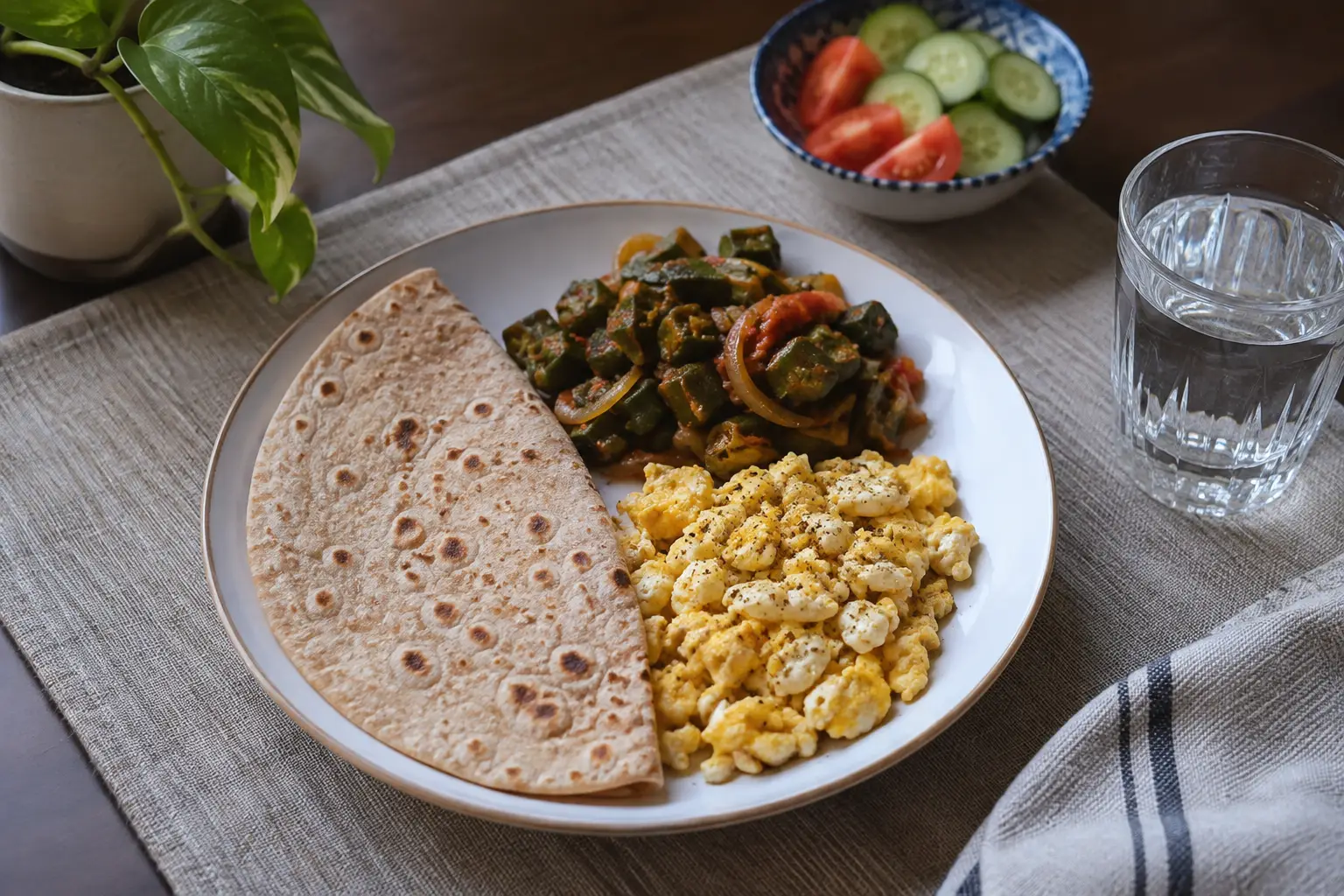
For example, a meal might include a palm-sized serving of chicken, one or two rotis, and vegetables. A bowl of daal can be paired with yogurt or eggs if that suits your household. The calorie and protein content depends on the ingredients and serving size, so treat example portions as starting points rather than universal numbers.
When dinner comes from a shared pot, serve your portion before going back for more. Notice the amount of oil used and what else is on the plate. If a meal is difficult to log, record a reasonable estimate and make the next meal straightforward.
If you prefer not to count every day, these ways to lose weight without counting calories every day can help you build a simpler routine. For more food ideas that fit a familiar kitchen, see affordable protein foods in Pakistan.
Myth: The app should decide your calorie target without explaining it
Fact: A number on a screen is only a starting estimate. Your needs depend on factors such as body size, daily movement and routine. A target that leaves you overly hungry or clashes with family meals may be difficult to follow, even if the app labels it as a goal.
Choose a tool that makes your target and logging simple to understand. Then judge the routine over time, not from one day’s result. A single high-calorie meal does not tell you whether your whole approach is working. Look for patterns across your week and make modest adjustments you can maintain.
If you work desk hours or long shifts, your meal timing may vary. A plan should account for the food you can access, not assume you can cook fresh meals at set hours. For readers in Pakistan, the weight loss coach Pakistan page offers more coaching information.
Myth: A tracking app is useful only if you enter every bite immediately
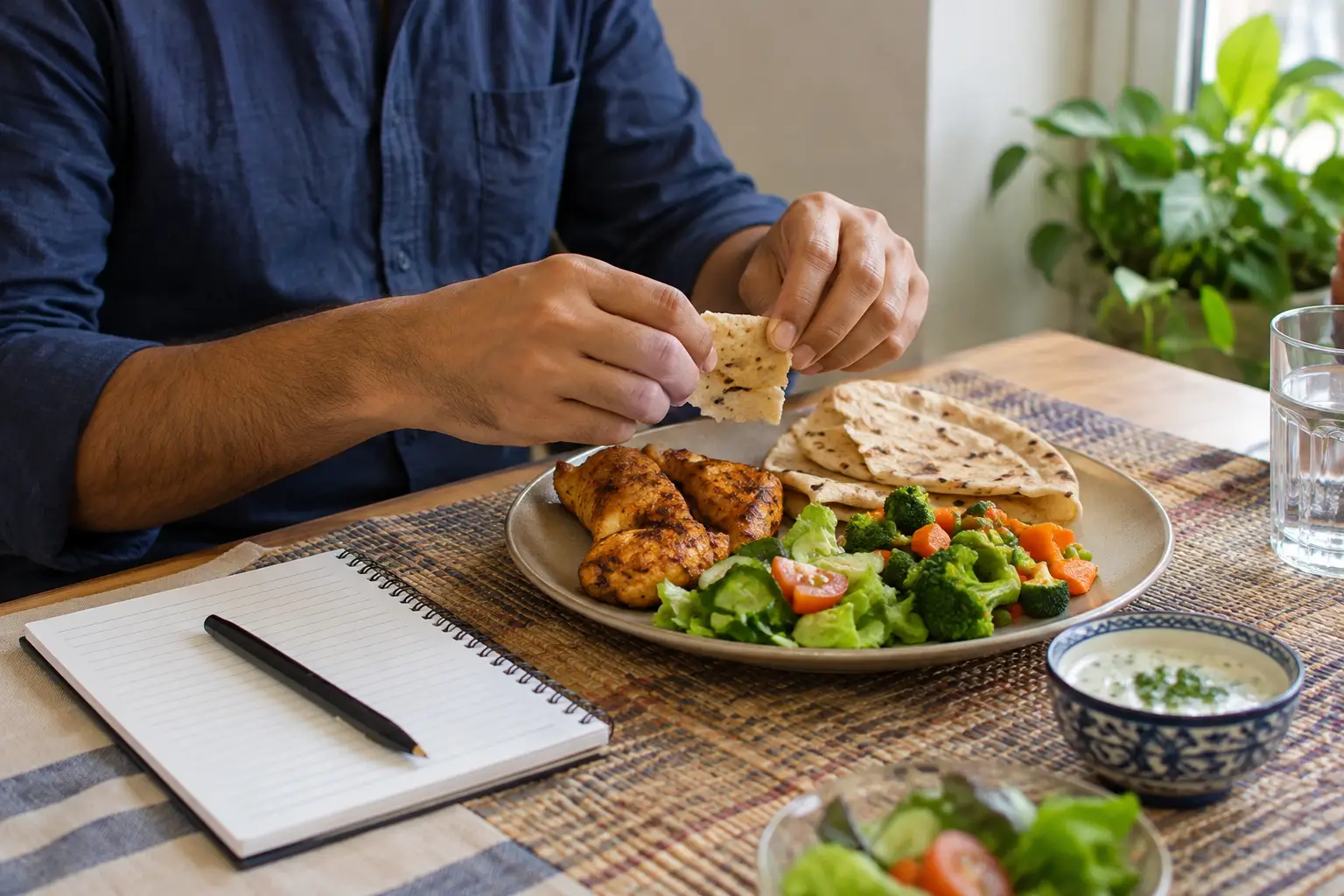
Fact: Immediate logging can help some people, but the best routine is one you can keep. You might plan meals in advance, enter them after eating, or save regular breakfasts and lunches so you do not repeat the same searches.
Try a simple process for one week:
- Save two or three breakfasts you eat often.
- Use a consistent measure for roti, rice and curry portions.
- Note cooking oil when you know the amount; estimate sensibly when you do not.
- Record snacks and drinks without turning an imperfect entry into a reason to quit.
- Review the week for patterns instead of judging a single meal.
Myth: A calorie tracking app will do the work of a full plan
Fact: Tracking is one tool. It does not automatically organise workouts, check your progress or help you recover after a rough day. Think about what support you need beyond food entries: a plan that fits your schedule, regular reviews, or help getting back on track.
For some people, a simple food tracker is enough. Others do better with guidance that combines meals, training and accountability. CU Fit is an affordable coaching app with a custom diet built around foods you already eat, updated every 30 days, plus daily workouts that unlock as you progress. It also includes weekly check-ins with photos, weight and waist, progress charts, a Coach Usman Assistant chat, and a bad-day reset. Coach Usman personally reviews your progress after six check-ins.
You can see the CU Fit app if you want an alternative to building every meal from a generic database. It is not a promise of exact calorie counts for every homemade recipe; the value is having a plan and a check-in structure designed to fit real life.
If you want a more personal level of support, Premium 1:1 Online Coaching is available at coachusman.com/personal-trainer-pakistan, with direct chat and weekly check-in reviews. You can also view coaching options before deciding what level of support suits you.
How to choose a calorie tracking app with Pakistani foods: your checklist
Before you choose, ask yourself:
- Can I find and save the foods I commonly eat?
- Can I change serving sizes instead of accepting one fixed portion?
- Can I log homemade meals with reasonable ingredient estimates?
- Does it let me use the same measurement method from week to week?
- Is the daily process quick enough for my work and family routine?
- Do I need food logging only, or would coaching and progress reviews help me more?
Test the app with a normal day of eating, not an ideal day. Include a home-cooked meal and a workday meal. If logging feels confusing, see whether a simpler meal structure or coaching option would be easier to follow.
The right choice is the one that helps you notice your habits and make practical changes without rejecting your usual food. In the conclusion, keep the focus keyword in mind: how to choose a calorie tracking app with pakistani foods comes down to useful food entries, flexible portions and a routine you can repeat.
Want a plan built around your job and your food? Start with CU Fit at coachusman.fit for an affordable custom diet and workout plan. Want Coach Usman to coach you 1:1? Choose Premium coaching at coachusman.com.
This is general fitness information, not medical advice. Please talk to a doctor before changing your diet or exercise routine, especially if you have a health condition.
FAQ
Can I track Pakistani food in a calorie tracking app?
Usually, you can search common foods or enter ingredients and save meals. Homemade recipes vary, so use consistent portion estimates instead of expecting an exact match for every dish.
Do I need to weigh every Pakistani meal to lose weight?
No. Weighing can make some estimates clearer, but consistent household measures can also help you notice portions. Choose a method that you can keep using.
Is CU Fit suitable if I eat Pakistani food?
CU Fit builds a custom diet around foods you already eat, with a new diet every 30 days. It also provides workouts, weekly check-ins, progress charts and a bad-day reset.
Coach Usman, 12+ years of coaching experience
1:1 online coach for Pakistani men worldwide, building fat-loss plans around real jobs, shifts and desi food.
coachusman.comWant a coach who builds the plan around you?
Coach Usman builds your diet and training around your job, your schedule and the desi food you already eat.
Start with Coach UsmanComments (0)
No comments yet. Be the first.