In this article
- Your no-counting checklist for a Pakistani diet
- 1. Choose your meal structure before the week gets busy
- 2. Build your plate around a filling centre
- 3. Pick portions you can recognise without a scale
- 4. Make drinks and snacks part of the plan
- 5. Use a simple movement target that fits your week
- 6. Check progress without recording every bite
- 7. Decide what you will do after an off-plan meal
- 8. Run this checklist for two weeks, then review
- How to lose weight without counting calories on a Pakistani diet: your next step
Want a plan built around your job and desi food? Try 1:1 online coaching with Coach Usman.
If you want to know how to lose weight without counting calories on a Pakistani diet, you can start with repeatable choices rather than weighing every ingredient. Fat loss still depends on taking in less energy than your body uses over time, but you can work toward that with portions, meal structure and useful progress checks.
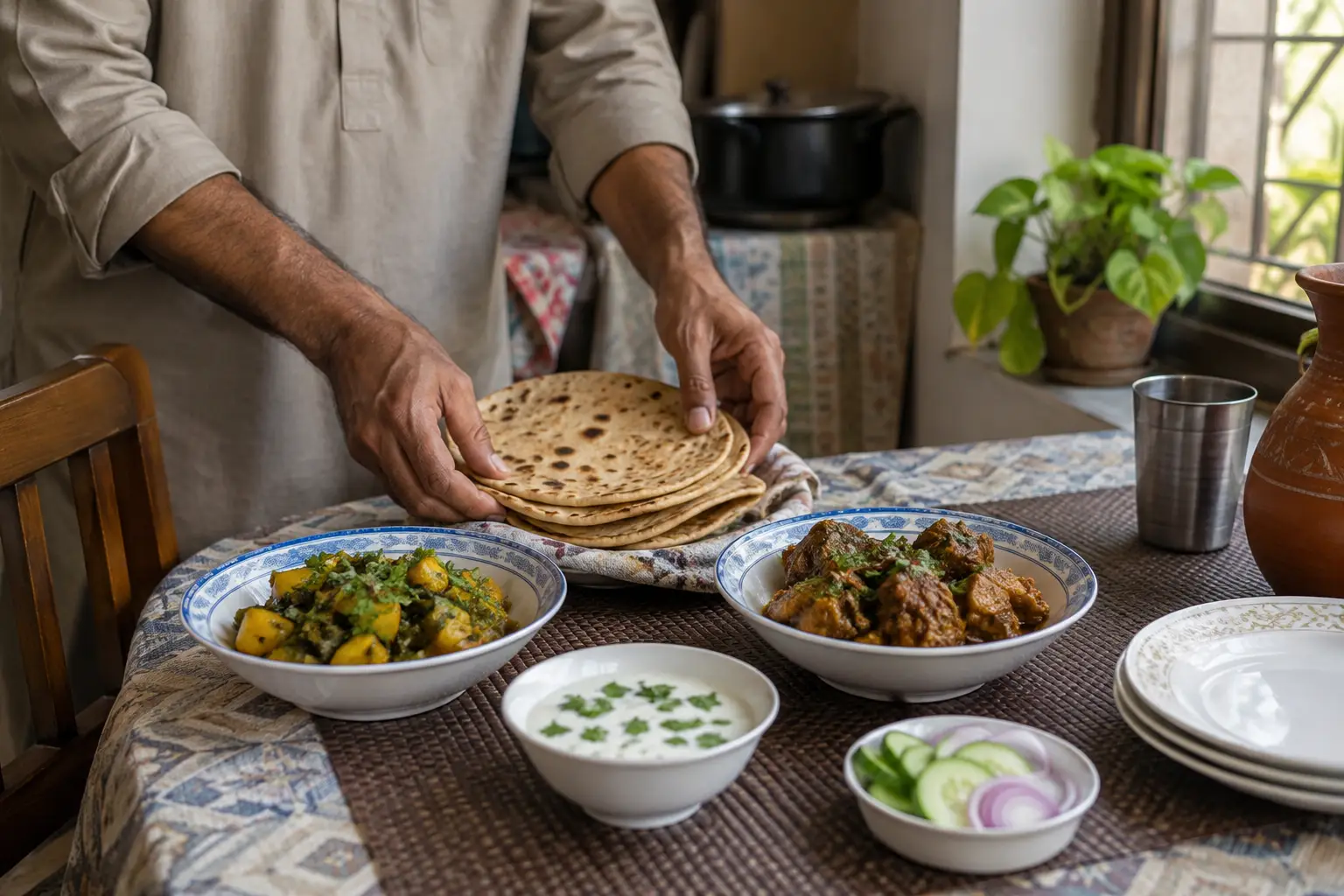
This checklist is designed for real routines: long shifts, desk jobs, shared kitchens and meals that may include roti, chawal, daal, chicken or sabzi. Use it as a starting point, not a strict menu. Keep the foods your family enjoys and make a few choices easier to repeat. You do not need a separate meal plan from the rest of your household to begin making progress.
Your no-counting checklist for a Pakistani diet
Work through these steps for a couple of weeks before deciding whether your routine needs adjusting. You do not need to change every meal at once. Pick a couple of habits that feel manageable, then build from there.
1. Choose your meal structure before the week gets busy
Pick a meal rhythm that fits your work and family schedule. That could be three meals, or two meals and a planned snack. There is no special meal frequency required for fat loss; the useful structure is one you can stick to without arriving at every meal extremely hungry.
Before a busy day, ask yourself:
- When am I likely to have my main meals?
- Where will I be eating: at home, at work or on the road?
- What is one practical option if my shift runs late?
For example, you might have eggs and roti at home, a chicken and salad meal during a break, then daal with a measured serving of chawal at dinner. If you cannot bring food, decide on a reasonable takeaway choice ahead of time instead of waiting until you are very hungry. Having a basic backup plan can make it easier to avoid impulsive choices when you are tired.
2. Build your plate around a filling centre
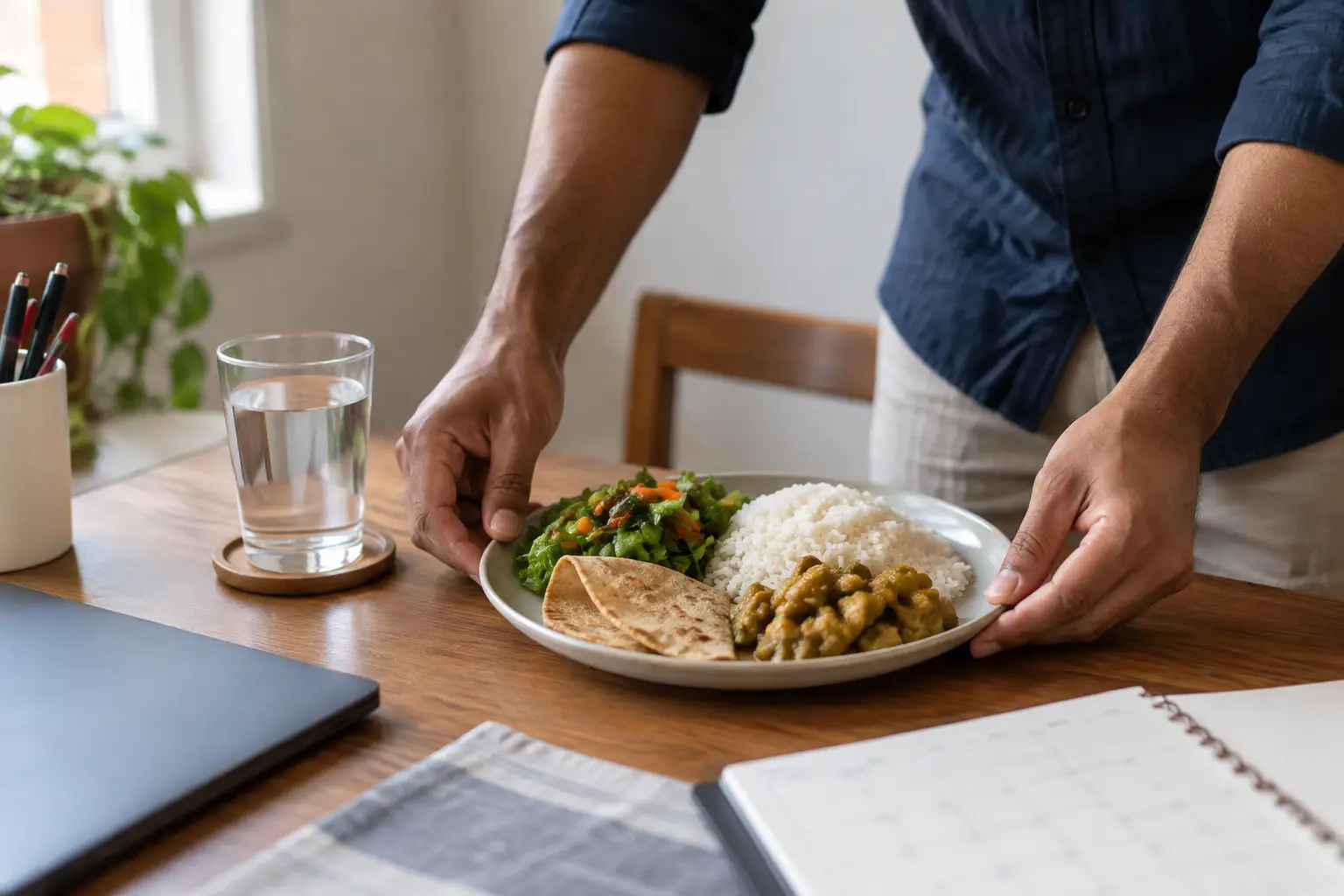
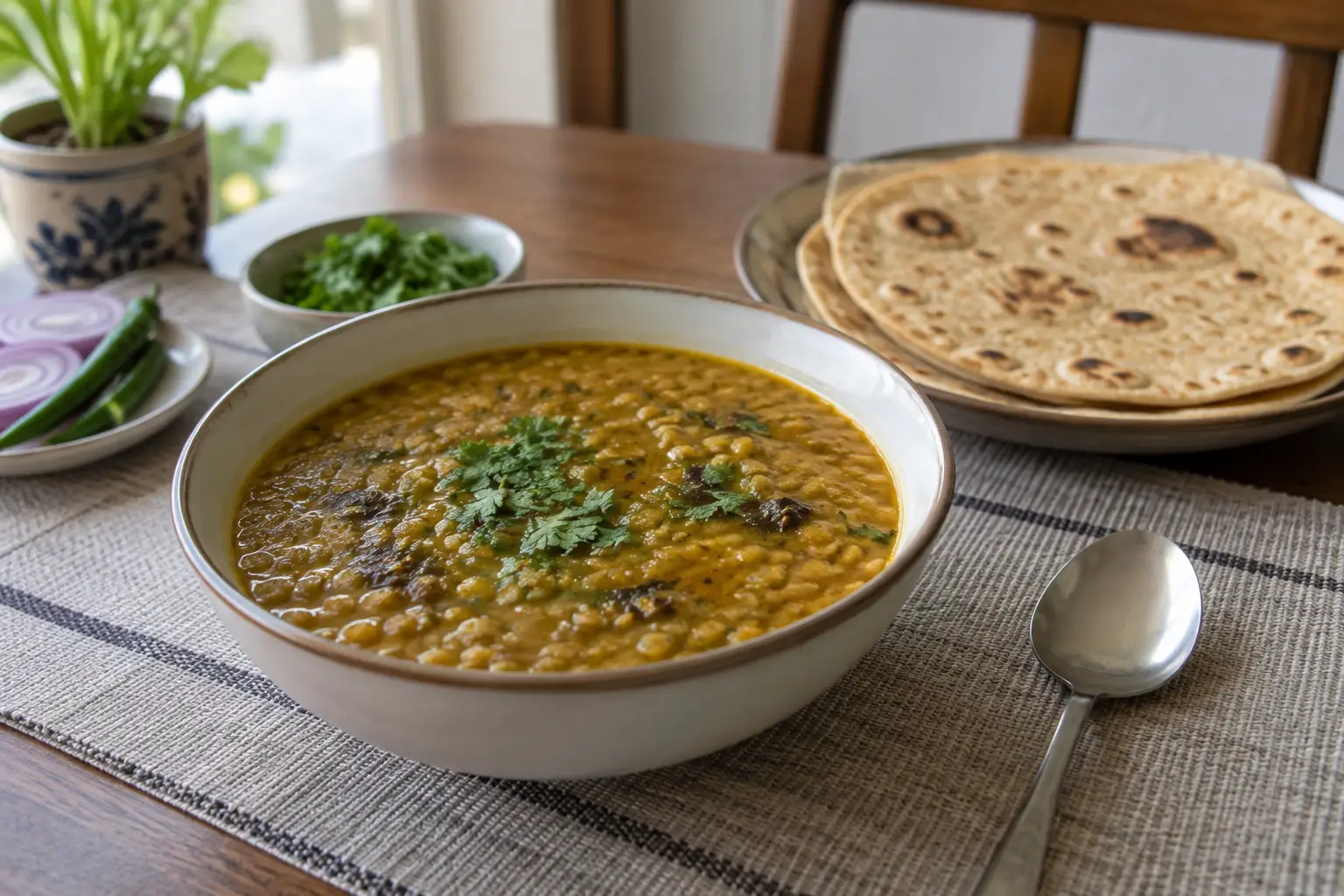
At your main meals, include a source of protein, vegetables or fruit, and a portion of the starchy food you enjoy. Protein can come from eggs, chicken, fish, lean meat, yoghurt, beans or daal. Daal also provides carbohydrates, so treat it as a useful mixed food rather than expecting it to work exactly like a large serving of meat. For more detail, read whether daal counts as protein or carbs.
A simple plate guide is:
- About half the plate: vegetables or salad, when available.
- About a quarter: a protein-rich food.
- About a quarter: roti, chawal or another starch.
This is a visual guide, not a rule that must be followed exactly. A bowl of curry may combine protein, vegetables and oil, while family meals are often served from shared dishes. Start with a sensible serving, eat, then pause briefly before deciding if you want more. The guide is there to help you make a balanced choice, not to make every meal look identical.
A repeatable plate is more useful than a perfect plate you cannot keep making.
3. Pick portions you can recognise without a scale
Use the same familiar serving tools where possible. One medium roti, a small bowl of cooked chawal, or a ladle of curry can be easier to judge consistently than an unmeasured second helping. Your portions do not need to match someone else’s: appetite, body size and activity differ.
Try these practical checks:
- Serve your first portion onto your own plate rather than eating directly from the cooking pot.
- Take a moment before adding extra roti or chawal.
- Keep oily sauces and gravies in view; they can add energy quickly even when the meal looks modest.
- If you are still hungry, consider adding more vegetables or protein if available.
Oil is easy to overlook in homemade food. You do not need to calculate every spoonful, but a household can make a gradual difference by using a little less during cooking. When food is served from one shared dish, try to notice your own serving and whether you go back for more. These small habits can help you develop a clearer idea of portions without tracking each ingredient.
4. Make drinks and snacks part of the plan
Drinks and small snacks can add up without making a meal feel more filling. Think about sweetened drinks, packaged snacks, bakery items and extra bites while cooking. You do not have to remove every treat. Decide which ones you enjoy most and choose a portion before you start.
For a snack between shifts, consider fruit with plain yoghurt, a boiled egg, or a small portion of roasted chana. These are options, not required foods. If you have something richer, such as a bakery snack, have it deliberately rather than grazing while distracted. Also notice what you add to chai and how often you refill your cup; a small routine change may be easier than giving up a drink you enjoy.
5. Use a simple movement target that fits your week
Food portions matter, and regular movement supports an active routine. Start with walking you can fit around your work, such as a short walk after a meal or during a break. If you work at a desk, stand up and move briefly between long sitting periods when practical.
Strength training can help you build or maintain muscle while losing weight. You do not need a complicated gym routine to begin: a few weekly sessions with movements such as squats, rows, presses and hinges can be a useful start. Choose exercises you can perform with control and increase the challenge gradually. If you are new to training, learn the basics of choosing a manageable number of reps before you begin.
Aim for a routine that survives a busy week, not one that only works when your calendar is empty. A short home session can be more useful than repeatedly postponing a longer workout. Start with a realistic schedule and build it up only when it feels sustainable.
6. Check progress without recording every bite
Not counting calories does not mean you have to guess whether your routine is helping. Choose a few simple measures and check them under similar conditions:
- Weigh yourself several mornings per week, if that feels comfortable, and compare weekly averages rather than single readings.
- Measure your waist every few weeks using the same method.
- Notice whether clothes fit differently and whether your planned meals and movement are becoming consistent.
Daily weight can move because of water, salt, digestion and other normal changes. Look for a trend across several weeks rather than making a decision after one morning. If your average weight and waist measurements do not shift over a few weeks, review portions, snacks and activity. Adjust one thing, then give it time. Avoid trying to respond to every short-term change by making several new rules at once.
7. Decide what you will do after an off-plan meal
A family meal, travel day or late shift does not require a punishment plan. Do not skip your next meal to compensate. Return to your usual meal structure and make the next choice a normal one.
For example, if an evening meal was larger than you planned, have your usual breakfast or lunch the next day. Think briefly about what made the meal harder to manage: arriving very hungry, eating while distracted or not having a plan for work. Use that information to prepare for next time without labelling the day a failure. If hunger is making your choices difficult, see these practical ideas for managing hunger while losing weight on a Pakistani diet.
8. Run this checklist for two weeks, then review
At the end of each week, ask:
- Did I include a protein food at most main meals?
- Were my roti, chawal and snack portions reasonably consistent?
- Did I move or train in a way that fitted my schedule?
- Did I check progress calmly instead of reacting to one reading?
- What single adjustment would make next week easier?
If planning portions around work and family meals feels difficult, CU Fit offers a custom diet built around foods you already eat, refreshed every 30 days, plus daily workouts that unlock as you progress. It includes weekly check-ins with photos, weight and waist, progress charts, a Coach Usman Assistant chat and a bad-day reset. Coach Usman personally reviews your progress after six check-ins. There is a 7-day money-back option.
How to lose weight without counting calories on a Pakistani diet: your next step
The checklist works best when you keep it simple: choose a meal rhythm, build filling plates, use repeatable portions, plan snacks, move regularly and review trends over time. You can eat familiar Pakistani food while making choices that support fat loss. The aim is not perfect eating; it is a routine you can return to, including after a busy or less-planned day.
Want a plan built around your job and your food? Start with CU Fit at coachusman.fit for an affordable custom diet and workout plan. Want Coach Usman to coach you 1:1? Learn more about Premium coaching.
This is general fitness information, not medical advice. Please talk to a doctor before changing your diet or exercise routine, especially if you have a health condition.
FAQ
Can I lose weight without counting calories on a Pakistani diet?
Yes. Calorie counting is one way to manage intake, but it is not essential. Consistent portions, filling meals, planned snacks and regular progress reviews can help you create habits that support fat loss.
Do I have to stop eating roti or chawal to lose weight?
No. You can include roti or chawal and pay attention to serving size, meal balance and your overall routine. You do not need to ban a familiar food.
How do I estimate portions without a food scale?
Use familiar serving tools, such as the same bowl for chawal or a consistent ladle for curry. Serve a first portion onto your plate, eat at a comfortable pace and pause before deciding whether you want more.
What should I do if my weight does not change?
Look at your weight trend and waist measurements over several weeks rather than reacting to a single reading. If neither shifts, review portions, snacks and movement, adjust one habit, and give that change time.
What should I do after eating more than planned?
Return to your usual meal structure at the next meal instead of skipping food to compensate. Consider what made the meal harder to manage and use that information to plan for a similar situation.
Can CU Fit support a Pakistani diet without calorie counting?
CU Fit provides a custom diet built on foods you already eat, refreshed every 30 days, along with daily workouts and weekly progress check-ins. It also includes progress charts and a bad-day reset.
Coach Usman, 12+ years of coaching experience
1:1 online coach for Pakistani men worldwide, building fat-loss plans around real jobs, shifts and desi food.
coachusman.comWant a coach who builds the plan around you?
Coach Usman builds your diet and training around your job, your schedule and the desi food you already eat.
Start with Coach UsmanComments (0)
No comments yet. Be the first.