
In this article
- Myth: A stressful day needs a harder workout
- Myth: Feeling better after training proves you recovered
- Myth: Supporting hormones means chasing maximum intensity
- Myth: Eating less will balance out a stressful week
- Myth: An easier session means the plan is failing
- Myth: You must remove all stress before making progress
Want a plan built around your job and desi food? Try 1:1 online coaching with Coach Usman.
An argument at work should not decide how heavy you lift tonight.
But it can happen quietly. You arrive at the gym annoyed, load more weight than planned, and keep adding work because you still feel wound up. The workout stops being training and becomes somewhere to unload the day.
Exercise can help you manage stress. That does not mean more intensity always gives you more relief. For natural hormone health, the useful conversation is about sleep, stress, training, and food—not finding a workout that promises to fix everything.
Myth: A stressful day needs a harder workout
Fact: You can use exercise to unwind without making the session harder.
There is a difference between enjoying a challenging session and using exhaustion to silence a busy mind. The first can fit your plan. The second can keep moving the finish line: another exercise, another hard set, another sprint.
Picture leaving a tense office meeting in Karachi or dealing with a demanding customer in Dubai. You reach the gym ready to prove something. Before changing the workout, follow your usual warm-up and notice how you move.
If your technique feels steady and the planned effort feels manageable, train as planned. If everything feels unusually difficult, make the session easier rather than turning it into a test.
You do not have to leave completely drained to have trained well.
The workout should serve your week, not settle an argument with your day.
Myth: Feeling better after training proves you recovered
Fact: A better mood and physical recovery are not the same thing.
You can finish a session feeling calmer while still needing food, sleep, and a break from demanding training. That good feeling matters. It just does not tell you everything about how much work you can handle next.
Look beyond the moment when you leave the gym. Are familiar weights becoming harder across several sessions? Is soreness interfering with normal movement? Are you regularly arriving tired and leaving more worn out?
These observations are reasons to review the workload, not evidence of a hormone problem.
In my coaching... I separate the need to unwind from the amount of training someone can recover from.
Keep another way to decompress available. Walk through a nearby park, sit outside without scrolling, or spend a quiet moment stretching comfortably. If walking helps, treat it as movement rather than a calorie score.
That gives stress relief somewhere to go without adding more hard sets.
Myth: Supporting hormones means chasing maximum intensity
Fact: A repeatable training plan is more useful than chasing a temporary hormone response.
You may see workouts advertised as hormone-boosting because they involve heavy lifts, short rests, or brutal finishers. A short-term hormone change after exercise does not establish a lasting improvement in hormone health.
Choose training for what you can practise and progress: controlled movement, appropriate effort, and enough recovery to return ready to work. You do not need to turn every session into a competition.
During a pressured week, keep the exercises familiar. Avoid adding a difficult new routine just because your usual workout no longer feels dramatic.
Useful adjustments include:
- Keeping your main exercises but removing optional finishing work.
- Ending a set before technique starts to break down.
- Taking enough rest to perform the next set with control.
- Using a lighter load when your usual load feels unusually demanding.
You are adjusting the dose, not abandoning the goal.
Myth: Eating less will balance out a stressful week
Fact: Cutting food harder can make an already demanding week harder to manage.
Stress can disrupt appetite and meal preparation. You might barely eat while sorting out a house move, then feel very hungry once everything goes quiet. Responding with stricter food rules often leaves the practical problem untouched.
Start by making ordinary meals easier to access. Keep food available that does not require a full cooking session when you are tired.
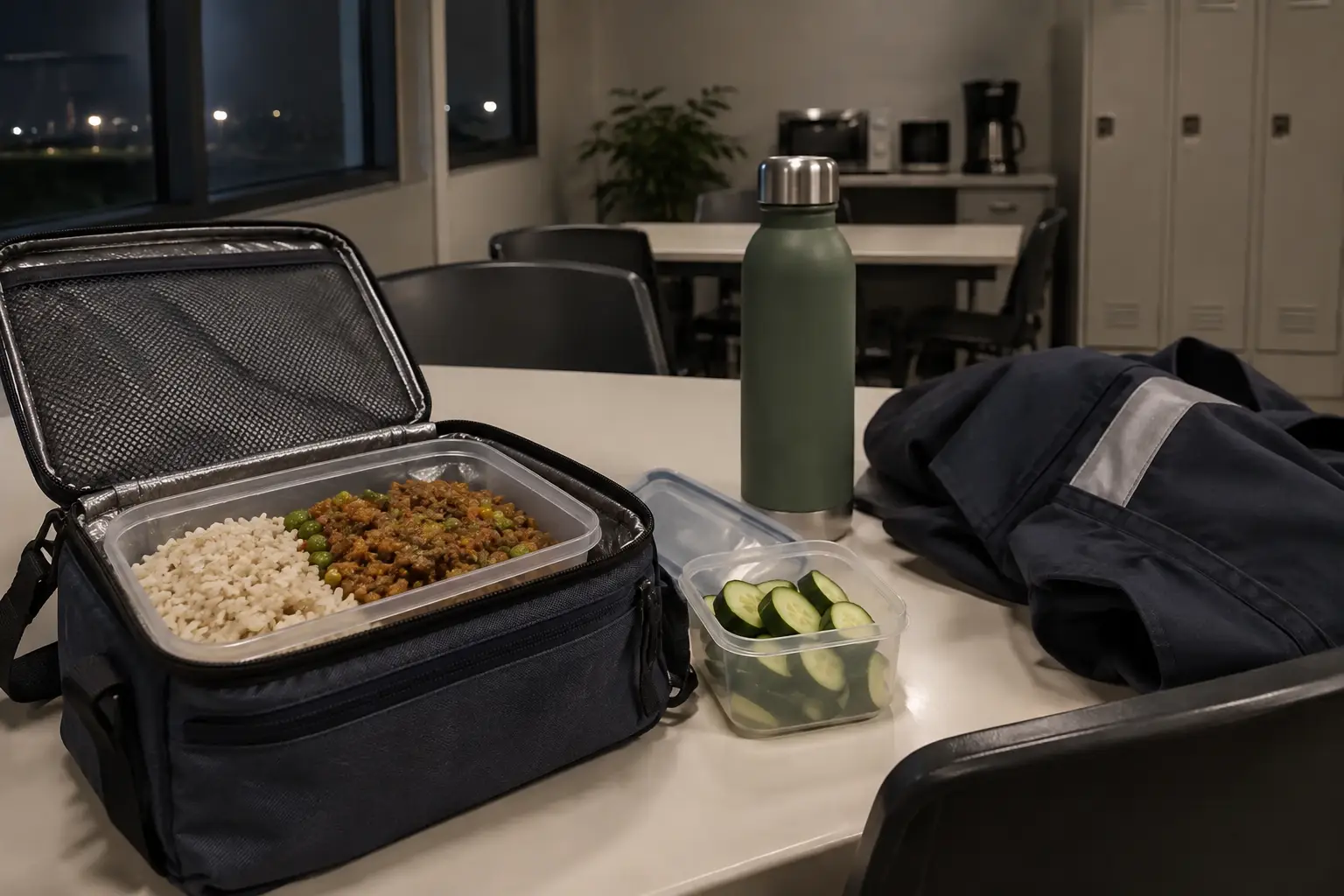
A batch of keema with peas can become a straightforward meal with rice and cucumber. Moong daal chilla with plain yogurt is another familiar option. Frozen fish, potatoes, and vegetables can keep dinner manageable when shopping has slipped.
These are normal foods, not special hormone foods. Their value is helping you eat regularly and support training without creating another demanding project.
Include protein, carbohydrate foods, and some dietary fat rather than trying to remove whole food groups. If protein keeps getting missed, check the meal that needs it most.
Myth: An easier session means the plan is failing
Fact: A flexible session can keep a useful plan working through a difficult week.
Suppose relatives are staying over, your commute has changed, and you have less quiet time than usual. The original workout may still be a good workout. It may simply be more than you can comfortably manage right now.
Have an easier version ready. Keep the main movements, do less total work, and skip optional extras. If you are too tired to train with control, choose rest or comfortable movement instead.
Avoid compensating later by cramming everything you removed into the next session. Resume the normal plan when your energy and schedule allow it.
This is not permission to make every workout easy. It is a way to match effort to the week you actually have.
Consistency does not require constant plan changes. Keep the overall direction steady while allowing the workload to bend.
Myth: You must remove all stress before making progress
Fact: You need a manageable routine, not a stress-free life.
Family responsibilities, work pressure, and uncertainty will not disappear because you start training. Waiting for perfect conditions leaves you waiting indefinitely.
Instead, review how sleep, food, and training fit together. Protect a regular opportunity to sleep. Keep meals practical. Give hard training a clear place rather than using it whenever frustration builds.
After a demanding week, ask what created the most friction. Was it unnecessary finishing work? Meals that needed too much preparation? Training hard despite repeatedly sleeping poorly?
Change the part you can control first.
Natural hormone health is not something you can judge from a sweaty shirt or a satisfying session. Keep your focus on supportive habits, without treating every tired day as a hormone issue. Train to build yourself up, and leave enough room to recover.
This is general fitness information, not medical advice. Please talk to a doctor before changing your diet or exercise routine, especially if you have a health condition.
FAQ
Should I skip training when I feel stressed?
Not automatically. Start with your usual warm-up and assess your energy and movement. Train as planned when it feels manageable, or reduce the workload when needed.
Do harder workouts improve natural hormone health?
Harder is not automatically better. Temporary hormone changes after exercise do not prove lasting benefits. Focus on training you can recover from, alongside sleep and adequate food.
Can walking replace extra gym work for stress relief?
Walking can be a lower-demand way to unwind. It does not replace every benefit of strength training, but it can replace optional work you were adding only to feel exhausted.
Are there special foods for natural hormone health?
No single food guarantees better hormone health. Build practical meals with protein, carbohydrate foods, dietary fats, and variety rather than chasing special ingredients.
Coach Usman, 12+ years of coaching experience
1:1 online coach for Pakistani men worldwide, building fat-loss plans around real jobs, shifts and desi food.
coachusman.comWant a coach who builds the plan around you?
Coach Usman builds your diet and training around your job, your schedule and the desi food you already eat.
Start with Coach UsmanComments (0)
No comments yet. Be the first.