In this article
- What should I look for in an everyday meal?
- If I eat healthy foods, why do calories still matter?
- How do I know whether a meal has enough protein?
- Do I need to cut carbs if I want a leaner body?
- Where do fats, vegetables, and fruit fit?
- Do drinks and meal timing need special attention?
- Can I follow these basics without tracking everything?
Want a plan built around your job and desi food? Try 1:1 online coaching with Coach Usman.
A food can be nutritious and still not make a complete meal.
An apple is useful. So are eggs, oats, and almonds. But choosing something with a healthy reputation does not automatically cover your needs, especially when you are lifting weights or trying to lose fat.
The easier approach is to ask what each food contributes. Does it bring protein, energy, fibre, or flavour? What is still missing?
These nutrition basics for men are about building meals you understand, not memorising a list of foods you are allowed to eat.
What should I look for in an everyday meal?
Think about the meal as a small team. Different foods handle different jobs, and some handle several.
A useful starting checklist is:
- Protein: supports muscle repair and maintenance.
- Carbohydrates: provide energy for training and everyday activity.
- Fats: support normal body functions and make meals satisfying.
- Vegetables and fruit: contribute fibre, vitamins, and minerals.
- Fluids: replace water you lose throughout the day.
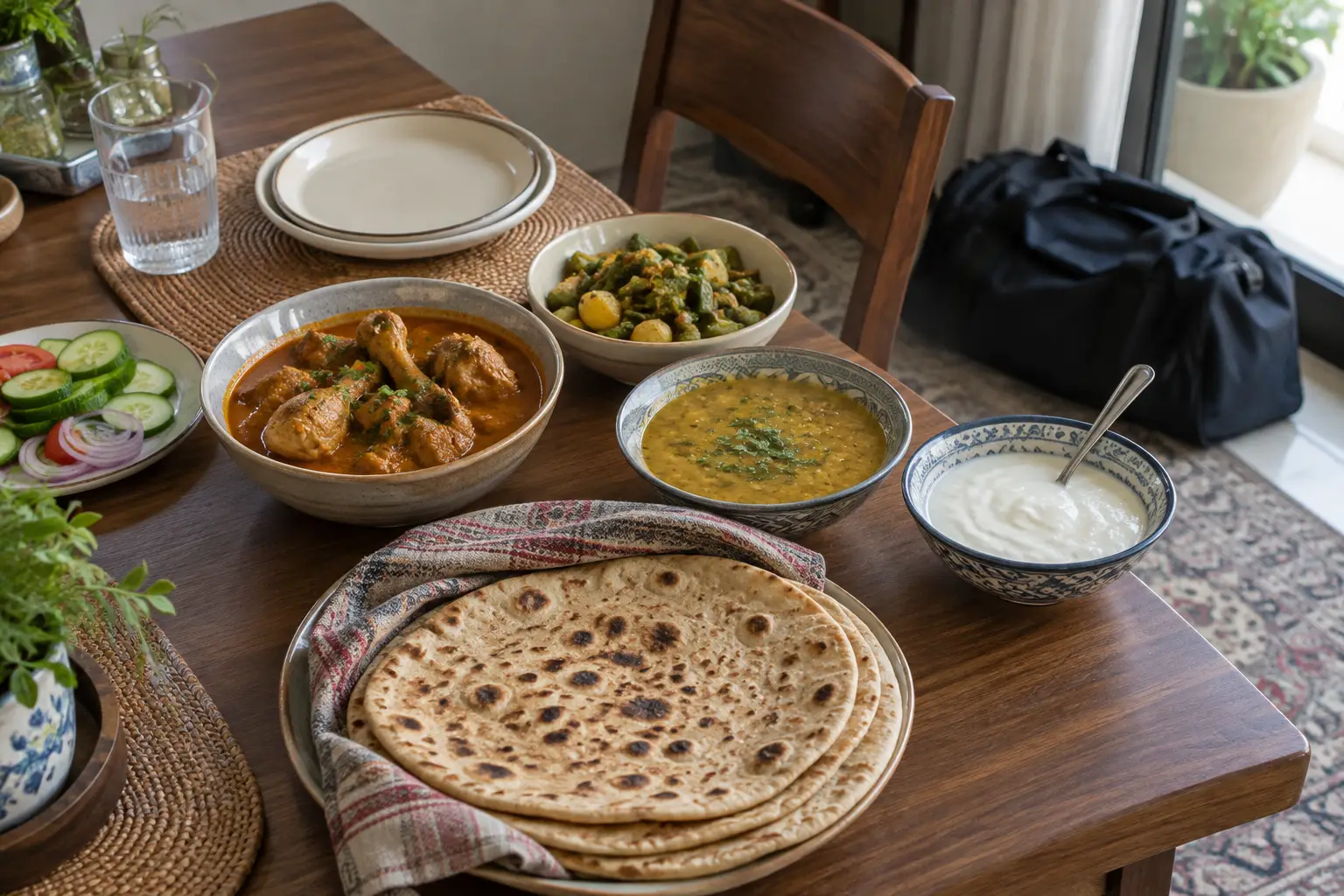
You do not need a separate dish for every job. Lobia provides carbohydrate, fibre, and some protein. Plain yogurt provides protein alongside other nutrients.
Look across the meal rather than demanding that every ingredient be perfect. A bowl of vegetable soup may need something alongside it; that does not make the soup a poor choice.
If I eat healthy foods, why do calories still matter?
Food quality and food quantity answer different questions. Quality helps you meet your nutritional needs. Calories describe the energy your food and drinks provide.
For fat loss, your overall intake needs to be below what you use over time. Nutritious foods still contribute to that intake. Nuts, olive oil, and dates do not become unlimited because they contain useful nutrients.
The opposite matters too. A small packet of crackers might fit your calories but leave you hungry and short on protein.
A healthy label cannot do the job of a balanced meal.
You need enough useful food, in amounts that suit your goal. If the energy side feels confusing, this guide to a calorie deficit explains the basics.
How do I know whether a meal has enough protein?
Start by identifying the actual protein source. Then look at how much of it is present. A dish name does not tell you the whole story.
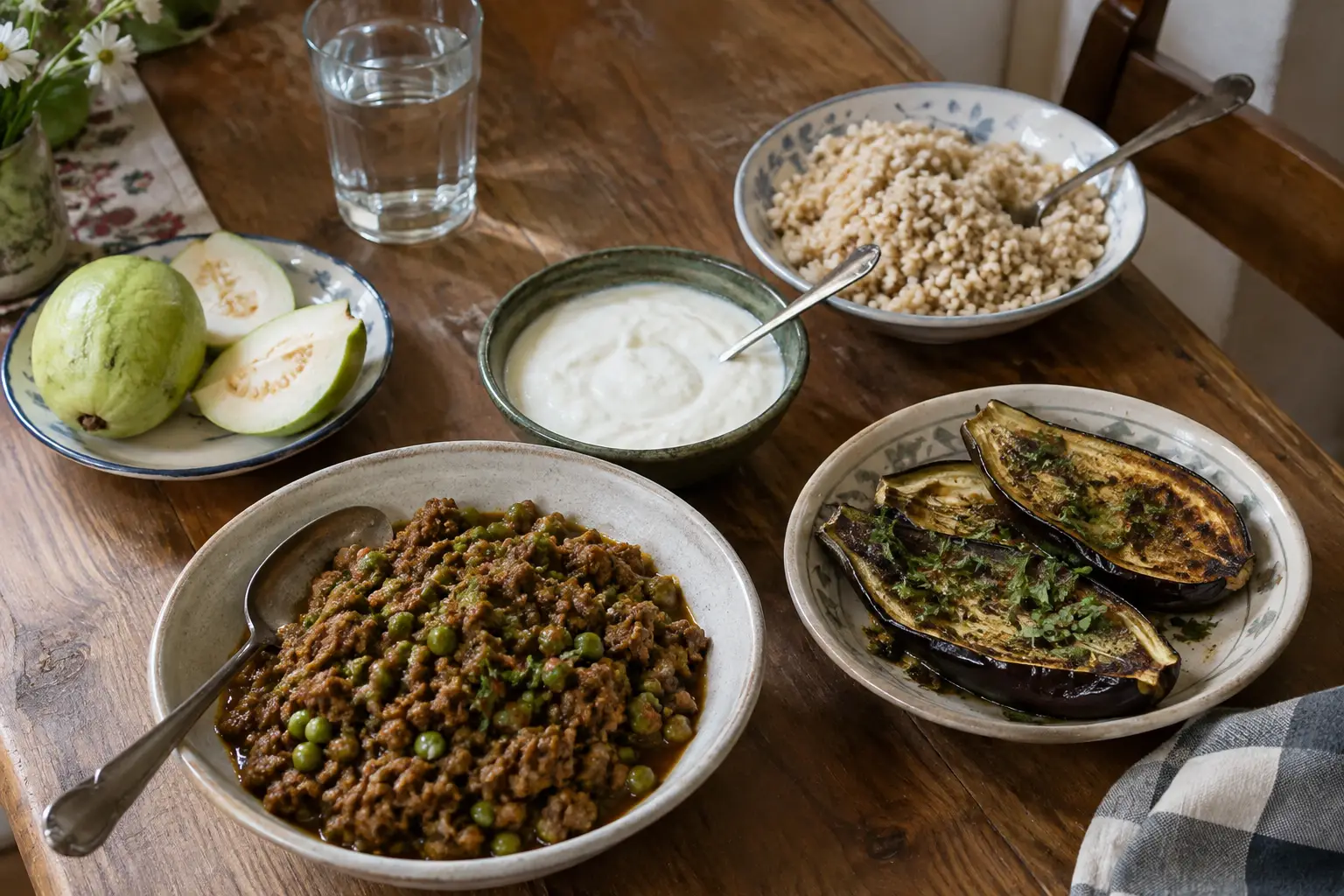
Keema with peas can provide a useful protein base. But a plate with mostly potatoes and a little keema has a different balance. Likewise, a thin layer of hummus in a wrap contributes less protein than a generous filling of fish or chicken.
In my coaching... I ask men to describe what is actually in the meal, not just what the dish is called.
Use eggs, fish, meat, dairy, beans, and lentils according to your preferences and budget. If you rely mainly on beans and lentils, include substantial servings and varied protein foods across the day.
Do I need to cut carbs if I want a leaner body?
No. Carbohydrates are not reserved for men who want to gain weight. They can help fuel your workouts and make ordinary meals more satisfying.
The useful question is how much fits your activity, appetite, and overall intake. A physically demanding day may call for more food than a quiet day at home. That does not mean every workout earns an extra meal.
Try barley in a meat-and-vegetable stew, potatoes alongside grilled fish, or oats with milk. These foods bring more to the meal than just calories.
You also do not need to force carbs extremely low on rest days. Recovery continues between workouts. Keep your basic meal structure, then adjust amounts if your goal and progress call for it.
Where do fats, vegetables, and fruit fit?
Fats deserve a place in your diet, but they are easy to overlook when estimating intake. Oil in cooking, tahini in a dressing, and walnuts scattered over breakfast all count.
This is not a reason to remove them. Use them deliberately rather than assuming small-looking additions contribute very little energy.
Vegetables and fruit bring variety, fibre, and nutrients that a meat-and-starch routine can miss. Try turnip sabzi, roasted aubergine, shredded cabbage with lemon, or a guava alongside breakfast. Fresh, frozen, and suitable canned options can all help.
Build variety gradually. You do not need an expensive salad habit.
Do drinks and meal timing need special attention?
Drinks belong in the food picture. Sweetened lassi, juice, and soft drinks can add energy without replacing much solid food. Milk contributes energy too, but also provides protein and other nutrients.
Keep water available and drink regularly, with extra attention during hot weather and sweaty training. There is no need to copy another man's enormous bottle target without considering your own day.
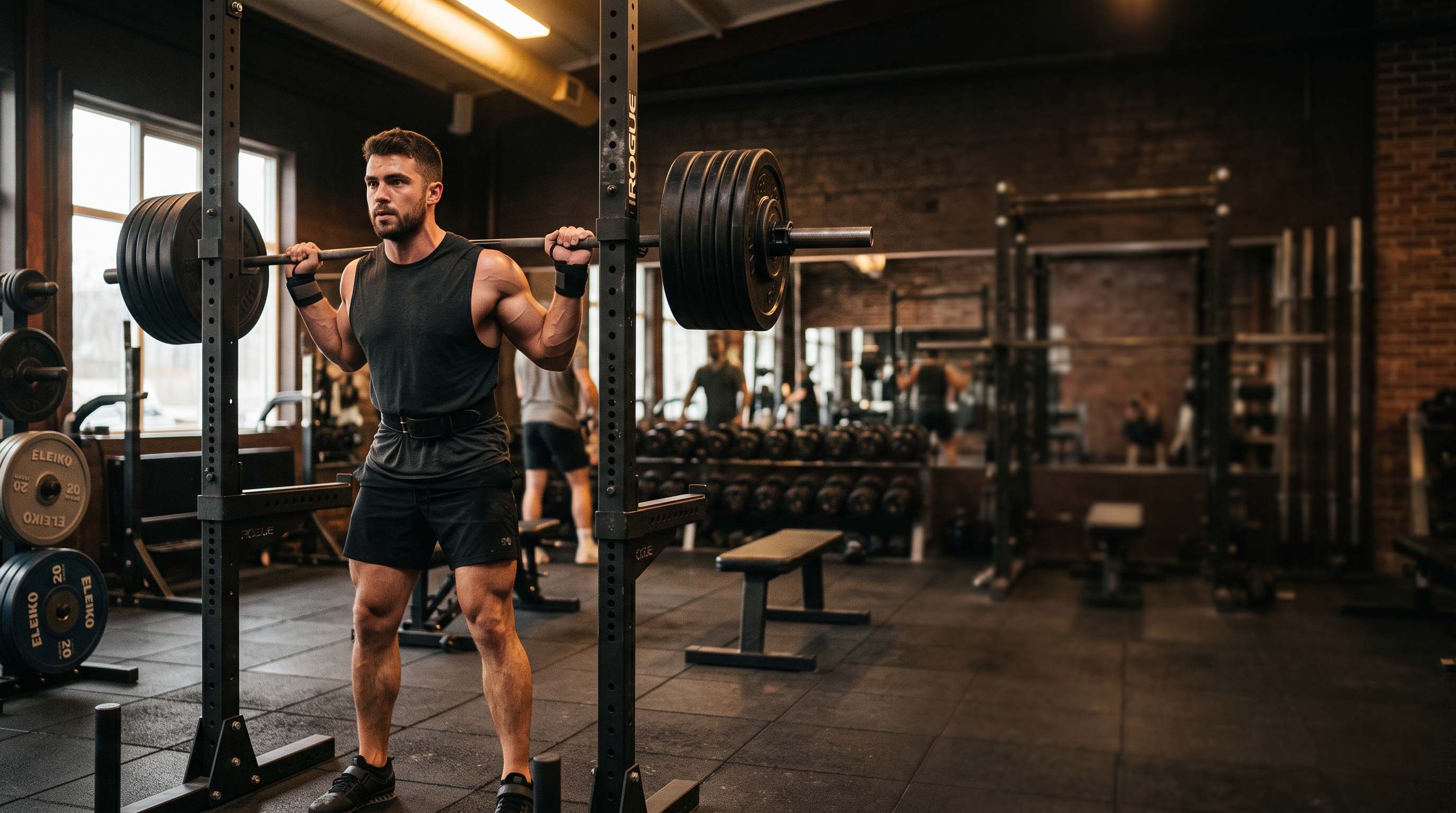
Meal timing should help you eat comfortably and train well. If a heavy meal before squats makes you uncomfortable, move it earlier or have something lighter.
You do not need to panic about eating immediately after your last rep. Your overall daily intake matters more than chasing a perfect minute.
Can I follow these basics without tracking everything?
Yes. Tracking is a tool, not an entry requirement for eating well.
Start with familiar meals and fairly consistent portions. Notice hunger between meals, energy during the day, workout performance, and how your progress matches your goal. No single signal gives the complete answer.
If you are regularly hungry soon after eating, check protein, fibre, and total meal size before blaming your discipline. If muscle gain is your goal, eat more deliberately rather than randomly.
For your next meal, make a quick check: identify the protein, include a useful carbohydrate source, add some produce, and notice the fats and drinks. Fix the missing part first.
That gives you a nutrition skill you can use at home, at a family gathering, or in a different country.
This is general fitness information, not medical advice. Please talk to a doctor before changing your diet or exercise routine, especially if you have a health condition.
FAQ
Do men need a special nutrition plan?
The basics are broadly shared. Food amounts should reflect your body size, activity, preferences, and goal rather than a generic men's meal plan.
Can frozen vegetables replace fresh vegetables?
Yes. Frozen vegetables are a practical option, especially when fresh produce often goes unused. Choose varieties you enjoy and can prepare easily.
Do I have to count macros?
No. Balanced meals and consistent portions are a useful starting point. Tracking can add detail if you need it, but it is not compulsory.
Can the same foods support fat loss and muscle gain?
Yes. Many of the same foods work for both goals. Overall amounts, protein intake, and appropriate strength training make the difference.
Coach Usman, 12+ years of coaching experience
1:1 online coach for Pakistani men worldwide, building fat-loss plans around real jobs, shifts and desi food.
coachusman.comWant a coach who builds the plan around you?
Coach Usman builds your diet and training around your job, your schedule and the desi food you already eat.
Start with Coach UsmanComments (0)
No comments yet. Be the first.