
In this article
- Mistake: Comparing random weigh-ins instead of a trend
- Mistake: Treating every heavier reading as body fat
- Mistake: Letting the scale be the only check
- Mistake: Reviewing your intended meals instead of actual meals
- Mistake: Assuming the same workouts mean the same activity
- Mistake: Expecting an old plan to work unchanged forever
- Mistake: Changing everything before the next review
Want a plan built around your job and desi food? Try 1:1 online coaching with Coach Usman.
A weight loss plateau is easy to declare when you compare the wrong things. Your lowest weight after a quiet weekend becomes the benchmark. A heavier reading after travel becomes proof that everything has stopped.
Then you cut food, add cardio, and make the plan harder before checking whether it needed changing.
The fresh angle here is simple: audit how you judge progress before you adjust how you eat. These mistakes can make a working plan look broken, or hide the small changes that actually need attention.
Mistake: Comparing random weigh-ins instead of a trend
A morning weight before breakfast and an evening weight after dinner are not measuring you under the same conditions. Food, drink, clothing, and bathroom timing all affect what the scale shows.
Even consistent morning readings will move around. That movement is not automatically fat gained or lost.
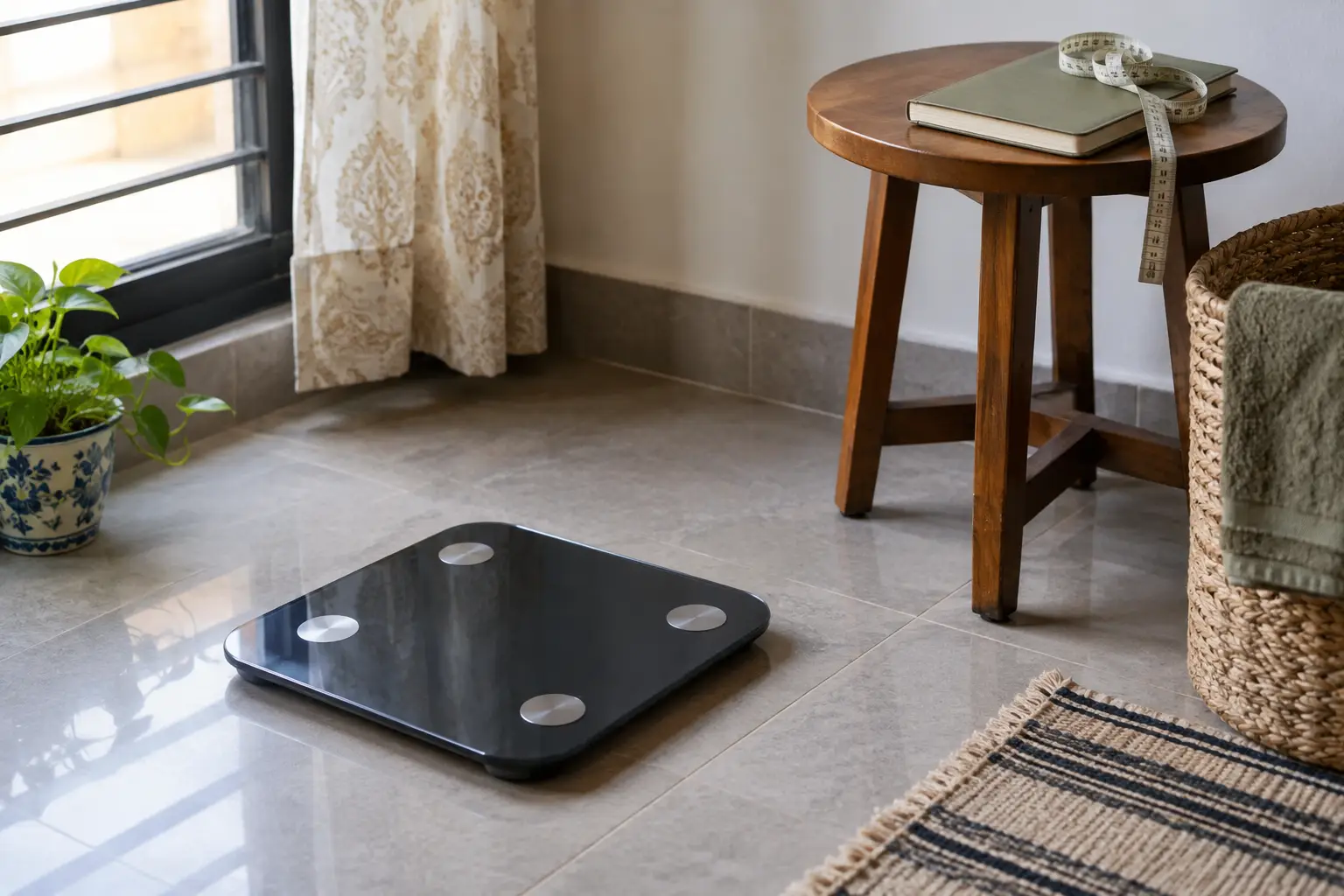
The fix: keep your weighing conditions similar. Use the same scale on a firm surface, at roughly the same point in your morning routine. If you weigh regularly, compare weekly averages rather than selecting your best reading.
Do not call a few flat days a plateau. Look for a trend that stays flat across several weeks while your routine is reasonably consistent. If weighing makes you anxious, use less frequent, consistent checks alongside waist measurements rather than chasing more data.
Mistake: Treating every heavier reading as body fat
You return from a work trip, unpack, and step on the scale. The number is up. You decide the hotel meals have undone your effort.
But travel changes more than calories. Restaurant salt, different carbohydrate intake, disrupted sleep, and changes in bowel habits can affect scale weight. A harder or unfamiliar workout can also temporarily increase water retention.
The fix: add a short context note beside unusual readings. Write “flight,” “restaurant food,” or “legs still sore.” You are not explaining away every increase. You are avoiding a decision based on incomplete information.
Return to your normal routine and watch what happens before making a cut. If the longer trend remains flat, investigate it rather than blaming water indefinitely.
A flat scale is a reason to check, not a command to eat less.
Mistake: Letting the scale be the only check
Your weight can stay similar while your waist measurement changes. This can happen when resistance training and fat loss overlap, although a flat scale alone does not prove you are building muscle.
Equally, getting stronger does not automatically mean you are losing fat. Each measure answers a different question.
The fix: use a small set of checks that you can repeat:
- Compare weight trends under similar conditions.
- Measure your waist at the same location, without pulling the tape tight.
- Notice how the same trousers fit around your waist.
- Keep a simple training log to see whether performance is holding up.
Look for agreement across these checks. If weight is flat but your waist is gradually shrinking, there may be no reason to rush an adjustment. If both remain unchanged, review the routine more closely.
Mistake: Reviewing your intended meals instead of actual meals
You remember the grilled fish and roti. You forget the extra sauce, the bites of a child's leftover chips, and the handfuls of nuts while watching cricket.
This is not dishonesty. It is how an ordinary day becomes difficult to recall accurately.
In my coaching, I look for the gap between the planned meal and the meal that actually happened.
The fix: keep a short, neutral record of your real eating, including weekends. Photos or quick notes can help. Record cooking fats, drinks, extras, and second servings without labelling the day good or bad.
For shared dishes such as keema matar or chicken karahi, notice both the portion and how the dish was prepared. The name alone cannot tell you its calories. You can keep normal desi meals in your plan while making portions more consistent.
Mistake: Assuming the same workouts mean the same activity
You still train on the same days, so you assume your activity has not changed. But the rest of your week may look different.
Summer heat keeps you indoors. Grocery delivery replaces shopping trips. A project deadline leaves you sitting through the time you used to spend moving around the office.
Your workout can stay unchanged while your overall movement falls.
The fix: compare your current routine with the period when progress was clearer. Use your phone's step history if available, but also ask what daily tasks disappeared.
Restore an easy piece of movement before adding demanding training. That might mean walking through the supermarket yourself or taking a comfortable evening loop around your apartment building. The aim is a repeatable routine, not chasing the calorie number on your watch.
Mistake: Expecting an old plan to work unchanged forever
A plan that helped you lose weight earlier may eventually bring you closer to maintenance. A smaller body generally uses less energy, and daily movement can also change during dieting.
That does not mean your metabolism is broken. It means the gap between what you eat and what you use may now be smaller.
The fix: first confirm that the trend is genuinely flat and your routine is consistent. Then choose a modest adjustment you can live with. Reduce an energy-dense extra, make a regular portion slightly smaller, or add manageable movement.
Keep protein-containing foods and balanced meals in place. Do not turn lunch into cucumber alone because the scale disappointed you.
Mistake: Changing everything before the next review
Cutting portions, removing carbohydrates, adding cardio, and changing your lifting programme together creates confusion. If weight moves, you cannot tell which change mattered. If hunger and fatigue rise, you have several problems to untangle.
The fix: write down your chosen adjustment and set a review point several weeks ahead. Keep checking the same measures under similar conditions. Do not keep adding restrictions between reviews because of an isolated reading.
Track how manageable the change feels as well as what the scale does. A plan that leaves you constantly hungry and unable to train well needs attention, not more pressure.
Your next move should follow the evidence: keep going if progress is showing, repair a routine that drifted, or make a small adjustment if the plateau is real.
This is general fitness information, not medical advice. Please talk to a doctor before changing your diet or exercise routine, especially if you have a health condition.
FAQ
How long does weight need to stay flat to count as a plateau?
Look for several weeks without a downward weight trend under consistent conditions. Check waist measurements and your actual routine before deciding.
Can I lose fat while my weight stays the same?
Yes. Water changes can mask fat loss, and muscle gain may sometimes offset it. A shrinking waist can help show progress, but no single measure tells the whole story.
Should I cut carbohydrates to break a plateau?
Not automatically. Cutting carbohydrates can change water weight without proving faster fat loss. Review total food intake and consistency before removing a food group.
Should I add more cardio when weight loss stops?
Only if it fits your routine and recovery. First check whether everyday movement has dropped and whether the plateau is genuine.
Coach Usman, 12+ years of coaching experience
1:1 online coach for Pakistani men worldwide, building fat-loss plans around real jobs, shifts and desi food.
coachusman.comWant a coach who builds the plan around you?
Coach Usman builds your diet and training around your job, your schedule and the desi food you already eat.
Start with Coach UsmanComments (0)
No comments yet. Be the first.