In this article
- How much protein is in a bowl of cooked dal?
- Morning: Set up the day without trying to fix everything at breakfast
- Midday: Build a filling lunch around your bowl of dal
- Afternoon: Handle hunger before it turns into random grazing
- Evening: Keep dinner familiar and portion it with care
- Night: Review the day, not just the dal
- How much protein is in a bowl of cooked dal? Your day-to-night recap
Want a plan built around your job and desi food? Try 1:1 online coaching with Coach Usman.
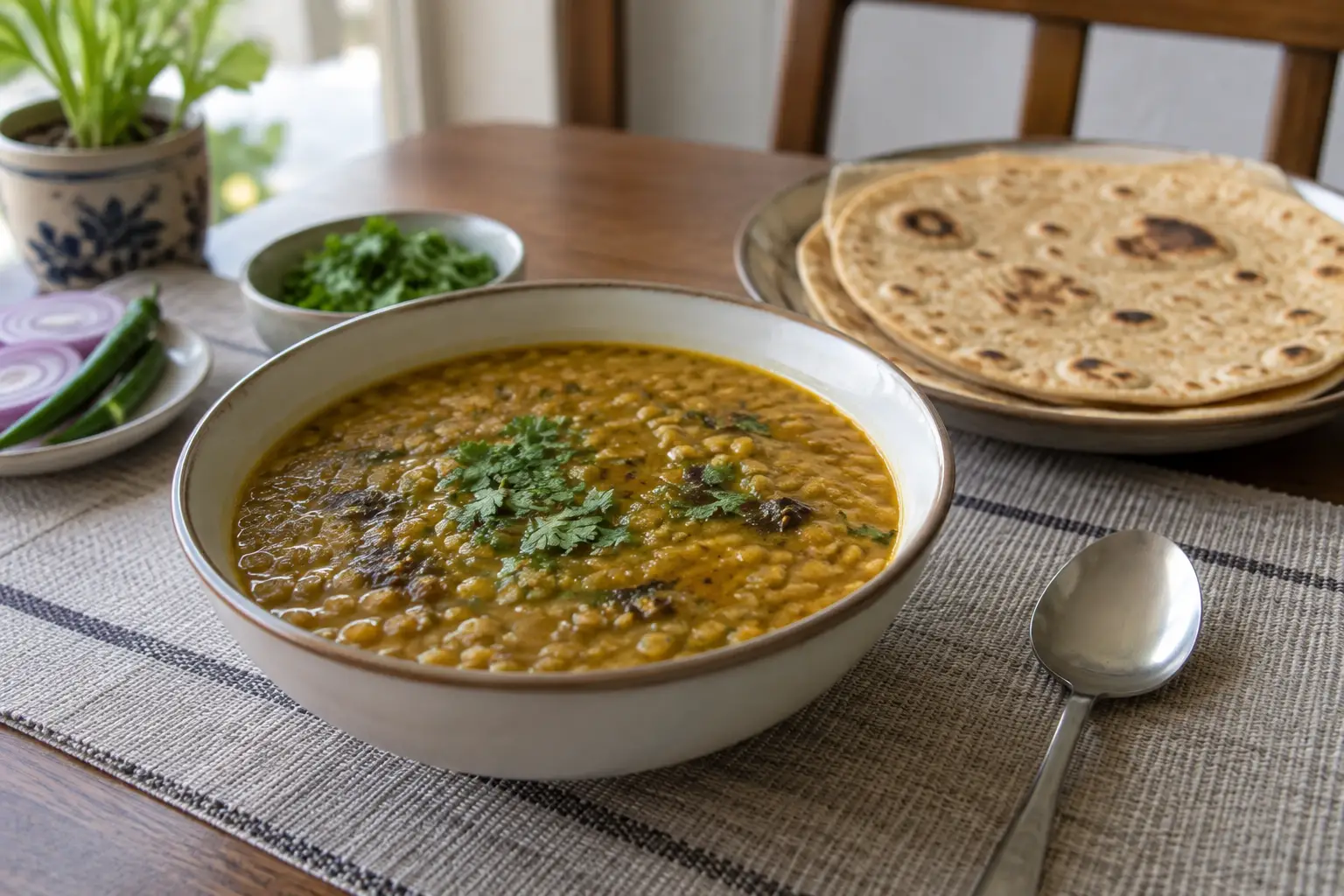
Your lunch break is close, and the pot of dal at home looks like an easy meal to pack—but you want to know if it gives you enough protein while losing weight. If you’re asking how much protein is in a bowl of cooked dal, a practical estimate is around 10–18 grams in a typical serving. The actual amount depends on the bowl size, how thick the dal is, and how much water is in it.
Dal can be filling and affordable, and it fits naturally into many Pakistani and South Asian meals. But it contains carbohydrates as well as protein, so think of it as one useful part of your meal—not automatically a complete high-protein meal on its own.
How much protein is in a bowl of cooked dal?
A cup of cooked lentils may provide roughly 15–18 grams of protein. A bowl of thinner, soupier dal may contain less per serving because it has more water and less lentil. Different dals also vary, so treat numbers as estimates rather than exact counts.
For a simple home check, compare your portion with a standard cup or measuring jug once. You do not need to measure every meal forever. Just learn what your usual katori or bowl holds and use that as a consistent guide.
A bowl can look large because it holds more liquid, not necessarily more lentils.
For a closer look at how protein fits into everyday meals, read Protein on a Desi Diet: Enough Without Extra Calories.
Morning: Set up the day without trying to fix everything at breakfast
You do not need a special breakfast just because lunch includes dal. Choose a normal meal that suits your appetite and work schedule. For example, two eggs with one roti provide a useful protein base, while plain yoghurt alongside a smaller breakfast can add some protein too. Exact amounts vary by egg size and yoghurt type.
If you usually have a very light breakfast, avoid assuming that one bowl of dal will cover all your protein needs for the whole day. Instead, plan for a protein source at more than one meal. Eggs, chicken, fish, meat, yoghurt, milk, beans and lentils can all contribute.
A fat-loss plan is not about removing roti or chawal automatically. Portion size, cooking oil, snacks and your overall routine matter too. If you want a flexible approach without logging every bite, see Lose Weight Without Counting Calories on a Pakistani Diet.
Midday: Build a filling lunch around your bowl of dal
At lunch, serve a bowl of dal with a measured portion of roti or chawal and, if available, some salad or cooked vegetables. If you want more protein, add a food you enjoy rather than doubling the dal without considering your overall serving.
A few practical combinations:
- Dal with one or two rotis, depending on your appetite and daily needs.
- Dal with a moderate serving of chawal and a side of plain yoghurt.
- Dal with a boiled egg or a portion of chicken if those foods are part of your household meals.
- Thick dal with a smaller rice portion and vegetables for a more balanced plate.
A cup of cooked chickpeas, for example, can provide around 14–15 grams of protein, while a cooked chicken portion of about 100 grams often provides roughly 25–30 grams. These are broad estimates; preparation and serving size change the numbers. You do not have to add chicken to every meal. The point is to know that different foods contribute different amounts.
Also notice the tadka and oil. Dal itself can be a filling choice, but a generous amount of oil or ghee adds calories without adding much protein. You can enjoy the flavour while keeping the amount used in the whole pot in mind.
If lunch needs to travel, pack dal safely in a sealed container and keep it at a safe temperature. These high-protein lunch ideas for work can help you plan around a busy shift.
Afternoon: Handle hunger before it turns into random grazing
A long desk day or a shift with few breaks can leave you hungry before dinner. If that happens, plan a snack instead of relying on whatever is nearest. Fruit with plain yoghurt, a boiled egg, or a small portion of roasted chana may work, depending on your preferences and access to food.
You do not need to snack if you are comfortable until dinner. And you do not need to skip a meal later because you had a snack. Fat loss is shaped by patterns over time, not one individual food choice.
This is also a good time to check your water and movement. A short walk during a break or after work can help you build activity into a full day without needing a long gym session.
Evening: Keep dinner familiar and portion it with care
When you get home, you might have dal again, or a family meal with sabzi, chicken, qeema or fish. You can use the same simple structure: include a protein food, choose a sensible portion of roti or chawal, and add vegetables where they are available.
If dinner is dal, consider whether your bowl is mostly broth or contains a generous amount of lentils. If you want a more substantial protein portion, serve thicker dal or combine it with another protein food that suits the meal. You do not have to make the plate perfect. A repeatable meal you enjoy is more useful than a strict plan you abandon.
For weight loss, keep an eye on the whole plate and cooking method. Fried sides, extra oil and large portions of rice or roti can raise the meal’s calories. That does not make those foods forbidden; it simply helps you decide what portion works for you.
Night: Review the day, not just the dal
Before bed, ask a few simple questions: Did I have a protein food at more than one meal? Was my lunch filling? Did my work schedule make the plan difficult? Use the answer to make one adjustment tomorrow, such as packing lunch earlier or adding yoghurt to a meal.
If you track your weight, look at the trend across several weeks rather than reacting to one morning’s number. A bowl of dal cannot determine whether you lose fat. Your overall food portions, activity and consistency matter more.
CU Fit can help make those daily choices easier with a custom diet built around foods you already eat, updated every 30 days, plus daily workouts that unlock as you progress. It also includes weekly check-ins with photos, weight and waist, progress charts, a reset for a difficult day, and a personal review from Coach Usman after six check-ins. Explore the CU Fit app if you want structure that fits desi meals and a busy routine.
How much protein is in a bowl of cooked dal? Your day-to-night recap
A bowl of cooked dal may provide around 10–18 grams of protein, but the serving’s thickness and size make a real difference. Use that estimate as a starting point, then build your meals across the day with a mix of protein foods you already like.
From breakfast to dinner, choose portions you can repeat, include dal without treating it as your only protein source, and keep an eye on added oil and your overall meal. If you want a more personal level of support, Premium 1:1 coaching is available here. You can also view CU Fit pricing before deciding which coaching option suits you.
Want a plan built around your job and your food? Start with CU Fit at coachusman.fit for an affordable custom diet and workout plan. Want Coach Usman to coach you 1:1? Choose Premium coaching at coachusman.com.
This is general fitness information, not medical advice. Please talk to a doctor before changing your diet or exercise routine, especially if you have a health condition.
FAQ
How much protein is in one bowl of cooked dal?
A typical serving may provide roughly 10–18 grams, but the amount depends on the type of dal, bowl size and how much lentil is in the serving.
Is dal enough protein for a weight-loss meal?
Dal contributes protein and can be part of a filling meal, but some servings may provide less protein than you expect. Pair it with another protein food if that suits your needs and preferences.
Can I include dal in a weight-loss diet?
Yes. Dal can fit into a weight-loss diet. Pay attention to your overall portions and cooking oil, and choose a meal pattern you can maintain. Check with your doctor if you have a medical condition.
Coach Usman, 12+ years of coaching experience
1:1 online coach for Pakistani men worldwide, building fat-loss plans around real jobs, shifts and desi food.
coachusman.comWant a coach who builds the plan around you?
Coach Usman builds your diet and training around your job, your schedule and the desi food you already eat.
Start with Coach UsmanComments (0)
No comments yet. Be the first.