
In this article
- Does intermittent fasting help weight loss if calories stay the same?
- Your intermittent fasting checklist
- 1. Check whether the schedule fits your actual day
- 2. Notice what the fasting window changes
- 3. Build satisfying meals when you do eat
- 4. Keep hydration and training practical
- 5. Plan for the meals that matter to your family
- 6. Track trends, not one day
- 7. Make one adjustment at a time
- When intermittent fasting may not suit you
- Conclusion: Does intermittent fasting help weight loss if calories stay the same?
Want a plan built around your job and desi food? Try 1:1 online coaching with Coach Usman.
A changing shift can turn a neat fasting window into a late meal, an early breakfast, or both. If you are asking does intermittent fasting help weight loss if calories stay the same, the short answer is that fasting does not create extra fat loss by itself when your overall calorie intake is equal. It may help some people manage how much they eat, while others find the schedule hard to maintain.
The useful question is not whether a fasting window is magic. It is whether this way of eating helps you keep a manageable calorie deficit over time while still fitting work, family meals, and training. Use this checklist to decide.
“Choose the eating routine you can repeat, not the one that looks strictest on paper.”
Does intermittent fasting help weight loss if calories stay the same?
Intermittent fasting sets times when you eat and times when you do not. Common approaches include eating within a daily window, such as eight to ten hours, or having some days with a lower intake. The exact schedule varies, and there is no single window that everyone needs to follow.
For weight loss, total energy intake over time matters. If two people eat the same calories and have similar activity, changing meal timing alone does not guarantee that one will lose more fat. Fasting can still be useful if a shorter eating window helps you avoid unplanned snacks or keep portions simpler. It can also backfire if you become very hungry and eat more later.
That is why fasting is best treated as a structure, not a shortcut. You do not need to fast to lose weight, and you do not need to force a particular meal schedule if it makes your day harder. The best option is the one that helps you manage your overall intake without making work, family life, or training harder to handle.
Your intermittent fasting checklist
1. Check whether the schedule fits your actual day
Write down your usual work hours, commute, training time, and family meal time. Pick a realistic eating window that can work on ordinary days, not only on a quiet weekend.
For example, a man finishing a late shift may prefer a later window than someone who starts work early. If your household eats together in the evening, do not choose a schedule that regularly makes you miss the meal just to follow a strict online rule. A plan that fits your real week is more useful than one you can manage only occasionally.
2. Notice what the fasting window changes
For one week, observe whether fasting reduces grazing or simply moves food into a shorter period. You do not have to count every bite to learn something useful. Note meal times, unplanned snacks, hunger, and whether you feel in control around food.
If a skipped breakfast means you arrive at lunch overly hungry and take a much larger portion, the schedule may not be helping. If skipping an early meal feels natural and reduces evening snacking, it may suit you. Look at what happens across the whole day, not just whether you managed to delay your first meal.
3. Build satisfying meals when you do eat
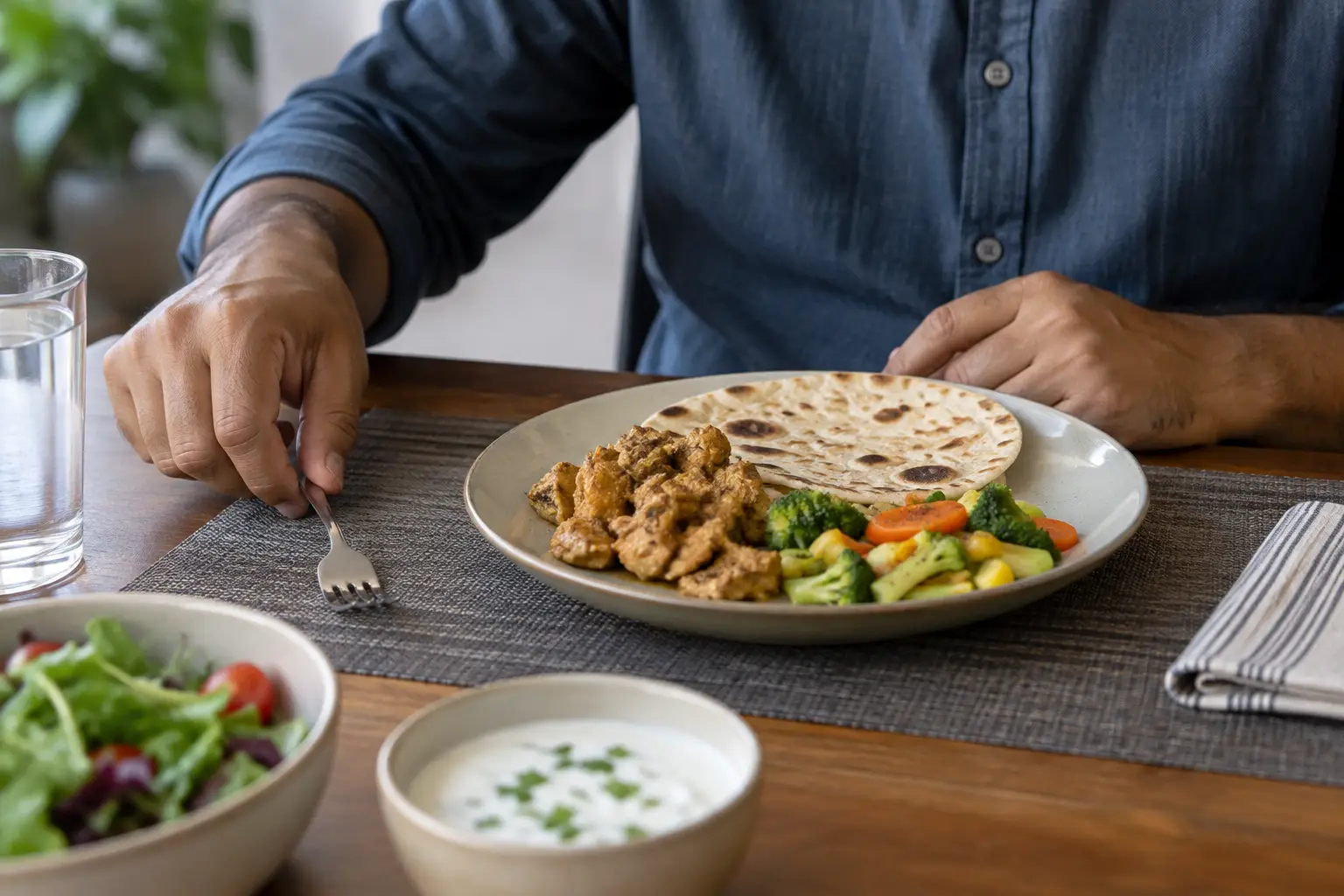
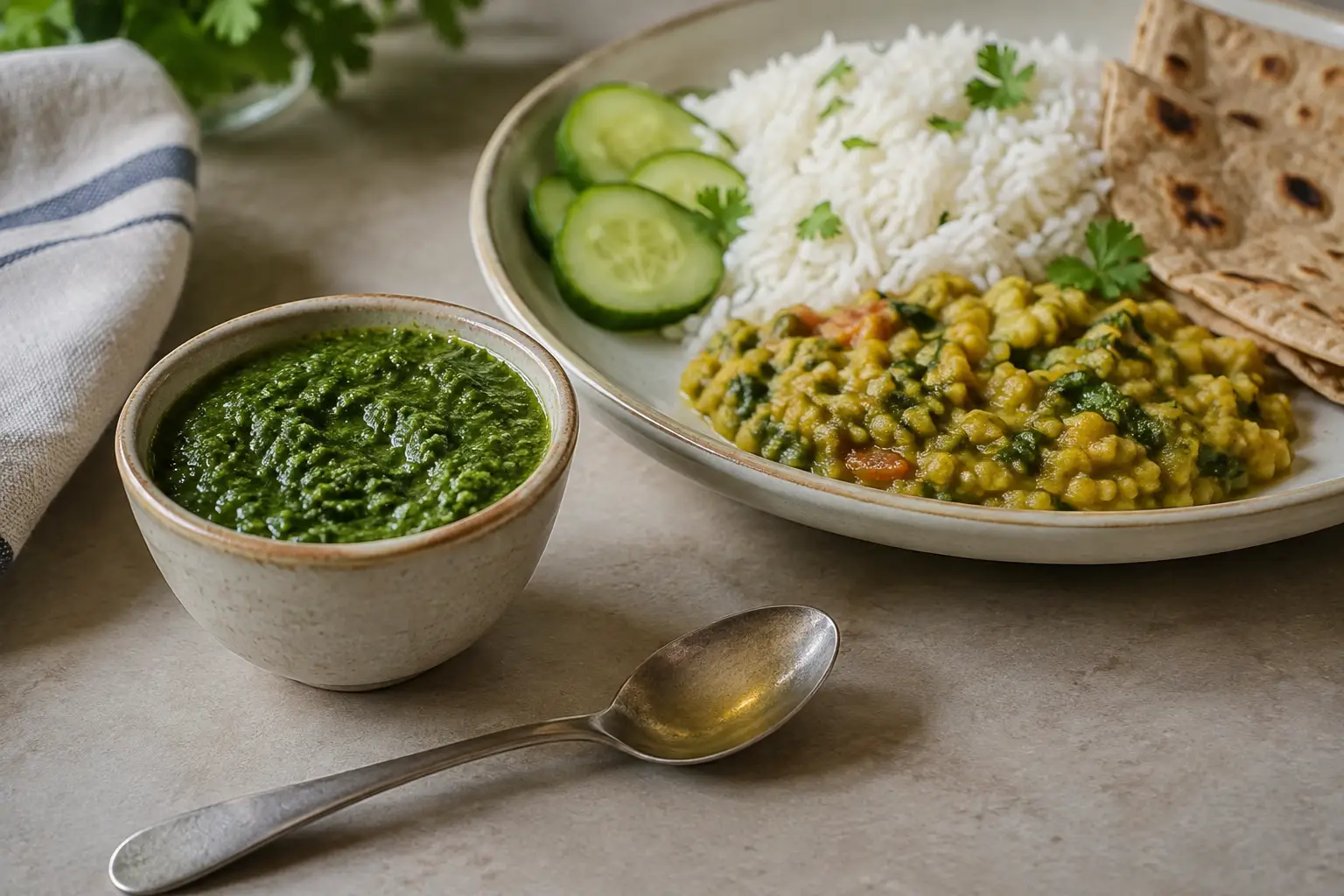
A shorter eating window is not a reason to make every meal tiny or to eat whatever is quickest. Include a protein source, vegetables or fruit, and a portion of the foods you enjoy. Familiar meals such as daal, roti, chawal, eggs, chicken, fish, or sabzi can fit.
Portions and cooking methods affect calories. A spoon of oil, a large serving of rice, or several snacks can add up, even when eating happens within a limited window. If estimating portions in home-cooked meals is difficult, this guide on tracking calories in homemade Pakistani food offers practical context. For meal ideas, remember that familiar foods can be part of a routine that supports your goal.
4. Keep hydration and training practical
Drink water during your fasting hours. If you train, consider when you feel strongest and how you will eat around the session. Some people train before their first meal without trouble; others prefer a meal beforehand. You do not have to copy another person’s timing.
A simple strength session can include squats, push-ups or an easier variation, a hip hinge, and a pulling movement if you have suitable equipment. Aim for a routine you can repeat, rather than adding hard workouts to compensate for meals. If your training feels consistently difficult while fasting, adjust the schedule instead of assuming you need to push through it.
5. Plan for the meals that matter to your family
A schedule that works in theory may clash with shared meals, travel, celebrations, or Ramadan. Decide ahead of time how flexible you want to be. One later dinner or family lunch does not erase progress; returning to your usual routine at the next meal is a more useful response than trying to “make up” for it by extreme restriction.
If you prefer a flexible approach without a strict eating window, focus on repeatable portions and meal habits. You can also read about managing hunger while losing weight on a Pakistani diet for ideas that do not depend on fasting.
6. Track trends, not one day
Body weight naturally moves up and down because of food, fluid, salt, and other everyday factors. If you weigh yourself, use consistent conditions and look at the trend over several weeks rather than reacting to one reading.
Also check whether your routine is sustainable: energy at work, training consistency, hunger, and how often you follow your intended meals. If your weight trend is not moving after several consistent weeks, review portions and snacks before assuming fasting needs to become stricter. Changes in meal timing do not remove the need to consider your overall intake and activity.
7. Make one adjustment at a time
If fasting leaves you tired, distracted, or prone to overeating, widen the eating window or return to regular meals. If it feels comfortable but weight trends are unchanged, make a modest change to portions, snacks, or activity. Changing one thing at a time helps you see what is useful.
If you want structure and regular progress checks, CU Fit offers an affordable custom diet based on foods you already eat, daily workouts that unlock as you progress, weekly check-ins, and progress charts. You can use a routine that suits your preferences rather than assuming fasting is required.
When intermittent fasting may not suit you
Fasting is not the right choice for everyone. It may be impractical if your work hours change often, you train at a time that leaves you feeling poorly fuelled, or a short eating window leads to repeated overeating. A regular meal pattern can work just as well if it helps you manage intake consistently.
If you have a medical condition, check with your doctor before making a major change to your eating schedule. Check with your doctor if you have a medical condition.
For more tailored support, explore weight loss coaching in Pakistan. Premium 1:1 coaching is available for people who want direct coaching and weekly check-in reviews. You can learn more about Premium coaching.
Conclusion: Does intermittent fasting help weight loss if calories stay the same?
Does intermittent fasting help weight loss if calories stay the same? It does not guarantee extra fat loss simply because meals happen within a certain window. Its value is practical: it may help you manage portions and reduce unplanned eating, provided the schedule feels sustainable and your overall intake supports your goal.
Use the checklist for a couple of weeks, notice how your hunger and routine respond, and adjust one habit at a time. If fasting makes work, family meals, or training harder, choose a more flexible structure instead. There is no need to keep a schedule that is not helping you.
Want a plan built around your job and your food? Start with CU Fit at coachusman.fit for an affordable custom diet and workout plan. Want Coach Usman to coach you 1:1? Explore Premium coaching at coachusman.com.
This is general fitness information, not medical advice. Please talk to a doctor before changing your diet or exercise routine, especially if you have a health condition.
FAQ
Does intermittent fasting cause more weight loss if calories stay the same?
Not automatically. When overall calorie intake is equal, meal timing alone does not guarantee greater fat loss. Fasting may help if it makes it easier to manage intake consistently.
Can I lose weight without intermittent fasting?
Yes. You can use regular meals and still lose weight by choosing portions and habits that help you maintain a calorie deficit over time.
Should I fast if it makes me overeat later?
Probably not. Try a wider eating window or regular meals if fasting causes excessive hunger or makes your routine difficult to maintain.
Does the length of my fasting window determine how much weight I lose?
The length of the window does not guarantee a particular amount of weight loss. What matters is whether your eating pattern helps you manage overall intake consistently.
Can I exercise while fasting?
Some people are comfortable training before their first meal, while others prefer to eat beforehand. Choose timing that lets you train comfortably and consistently.
How long should I try intermittent fasting before deciding if it suits me?
You could observe your hunger, eating habits, work routine, and weight trend over a few consistent weeks. If the schedule repeatedly makes your day harder, adjust it or return to regular meals.
Coach Usman, 12+ years of coaching experience
1:1 online coach for Pakistani men worldwide, building fat-loss plans around real jobs, shifts and desi food.
coachusman.comWant a coach who builds the plan around you?
Coach Usman builds your diet and training around your job, your schedule and the desi food you already eat.
Start with Coach UsmanComments (0)
No comments yet. Be the first.