In this article
- Does eating dinner late cause weight gain if calories stay the same?
- Morning: Choose a steady start, not a perfect one
- Midday: Build a meal that carries you through work
- Afternoon: Add a planned snack if dinner is hours away
- Evening: Use a late-dinner routine that fits real life
- Night: Notice comfort, sleep, and repeat patterns
- Make late dinner part of a workable fat-loss plan
- Conclusion: Does eating dinner late cause weight gain if calories stay the same?
Want a plan built around your job and desi food? Try 1:1 online coaching with Coach Usman.
You reach home after a long shift, and dinner is waiting later than you planned. If you wonder, “does eating dinner late cause weight gain if calories stay the same?”, the short answer is that the clock alone does not decide whether you gain fat. Your overall energy intake over time matters more. But late eating can affect your routine: it may make you hungrier, encourage extra snacks, or leave you too full for bed.
For busy South Asian men, dinner might happen after a commute, family responsibilities, or a late shift. You do not need to force an early meal or skip dinner. Instead, build a day that helps you arrive at dinner hungry—but not ravenous—and keeps portions manageable.
“A late meal can fit your plan. What matters is the pattern you can repeat.”
Does eating dinner late cause weight gain if calories stay the same?
If your calorie intake and activity stay broadly similar, eating dinner later by itself is not a magic cause of fat gain. Meal timing can still matter indirectly. For example, someone who delays dinner may arrive home very hungry, eat quickly, and add unplanned snacks while waiting for the meal.
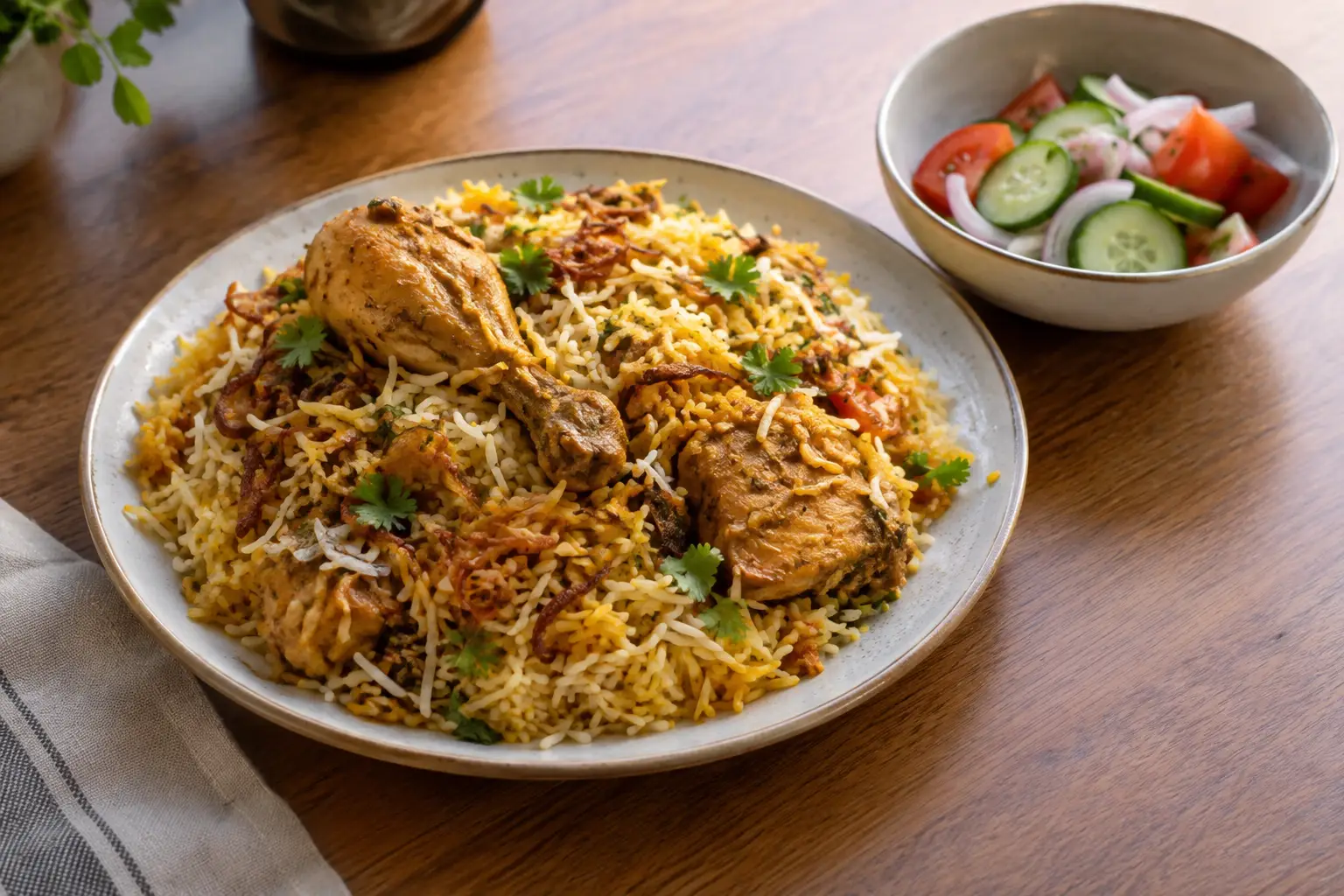
The portion and ingredients matter too. A home-cooked meal with a sensible amount of chicken, daal, roti, or chawal can fit a fat-loss plan whether it is eaten at 6 pm or 9 pm. Large servings, lots of added oil, and repeated seconds can raise the meal’s calories, regardless of the time.
You do not need to count every calorie to use this idea. Look at your routine across several days: meal portions, snacks, drinks, movement, and how often you eat past comfortable fullness. If you are unsure how much protein familiar foods provide, see this guide to affordable protein foods in Pakistan.
Morning: Choose a steady start, not a perfect one
If you have a late dinner ahead, do not try to “save calories” by skipping breakfast if that leaves you distracted and very hungry later. Choose a familiar meal that suits your schedule. For example:
- Two eggs with one or two rotis and vegetables.
- Daal with a roti and a side of yogurt.
- An egg sandwich with fruit if you need something portable.
Portions and cooking methods change the calorie content. As a rough guide, a large egg has about 70 calories and 6 grams of protein, while one medium roti may have around 100–150 calories, depending on size and flour. Treat these as estimates, not exact values.
If you are not hungry in the morning, a later first meal is also fine. The useful question is whether your choice helps you manage the rest of the day—not whether you follow a fixed breakfast rule.
Midday: Build a meal that carries you through work
A very small lunch can seem like a clever way to make room for dinner. But if it leaves you starving by late afternoon, you may end up picking at snacks or eating a much larger dinner than planned.
Build lunch around a protein source, a familiar carbohydrate, and vegetables where available. For example, chicken with one or two rotis and vegetables, or daal with a measured serving of chawal and salad. A cooked chicken serving around 100 grams can provide roughly 25–30 grams of protein, while a cup of cooked daal may provide roughly 15–18 grams. Recipes and serving sizes vary, especially with oil.
If your lunch break is short, use food that is practical to carry or buy. Keep a backup option for a shift that runs late, rather than relying on whatever is closest when you are exhausted. For more ideas on workday planning, read high-protein meals for long shifts.
Afternoon: Add a planned snack if dinner is hours away
If you finish work late, a small snack can make dinner easier to manage. It does not have to be a special fitness product. Try fruit with plain yogurt, a boiled egg with a small piece of bread, or a modest portion of roasted chana. Choose something you enjoy and can keep or buy safely.
A snack is optional. If you are comfortable until dinner, you do not need to eat just because the clock says so. If you are very hungry, though, planning a snack may work better than arriving home ready to eat anything in sight.
Keep drinks in mind too. Sweetened drinks can add calories without making you feel as full as a meal. Water is a simple default; choose other drinks based on your preference and your overall routine.
Evening: Use a late-dinner routine that fits real life
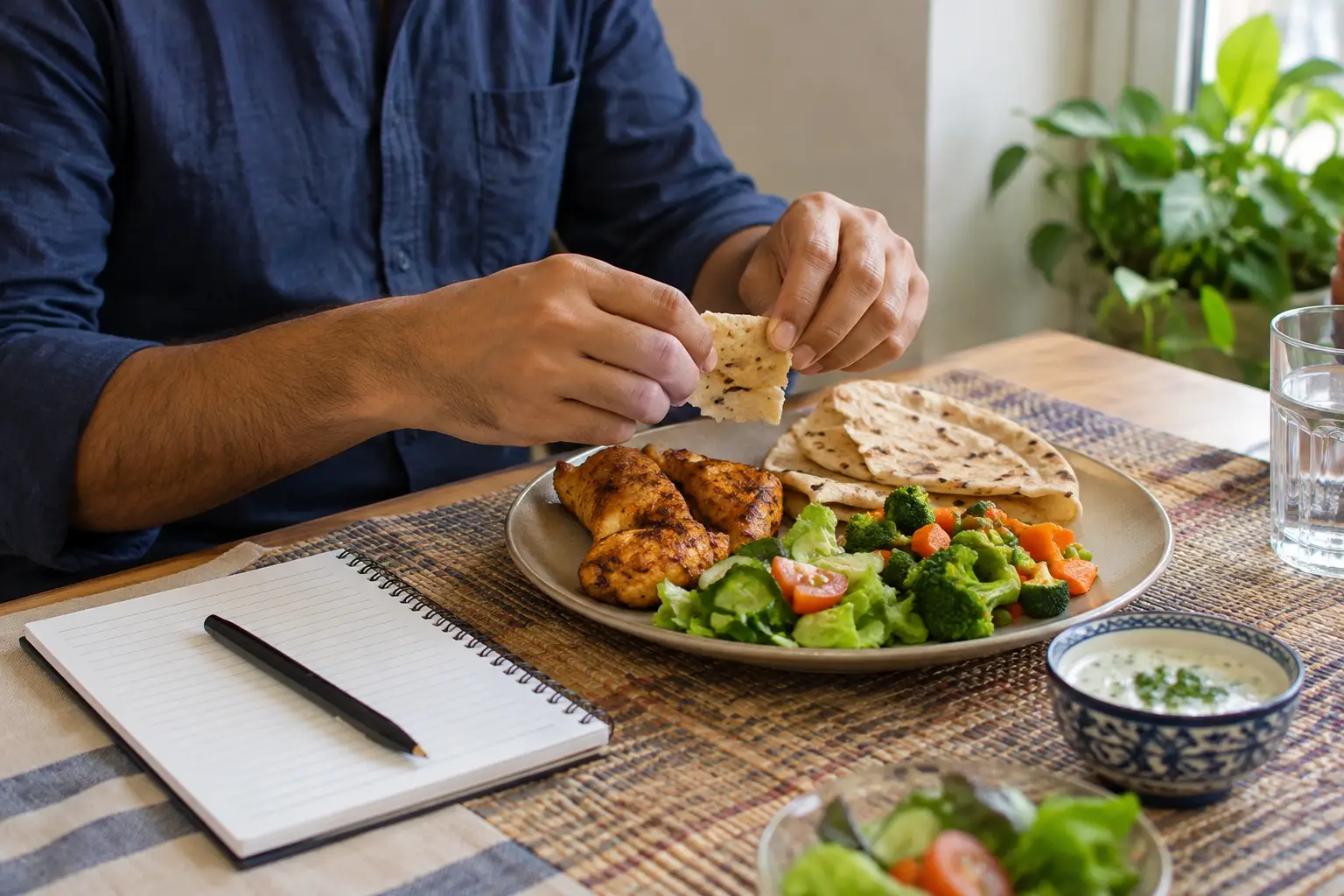
When dinner is late, aim for a normal meal rather than a reward for surviving the day. Start with a reasonable serving of protein, add a portion of roti or chawal that suits your hunger and activity, and include vegetables or salad when available. Eat at a pace that lets you notice when you are comfortably satisfied.
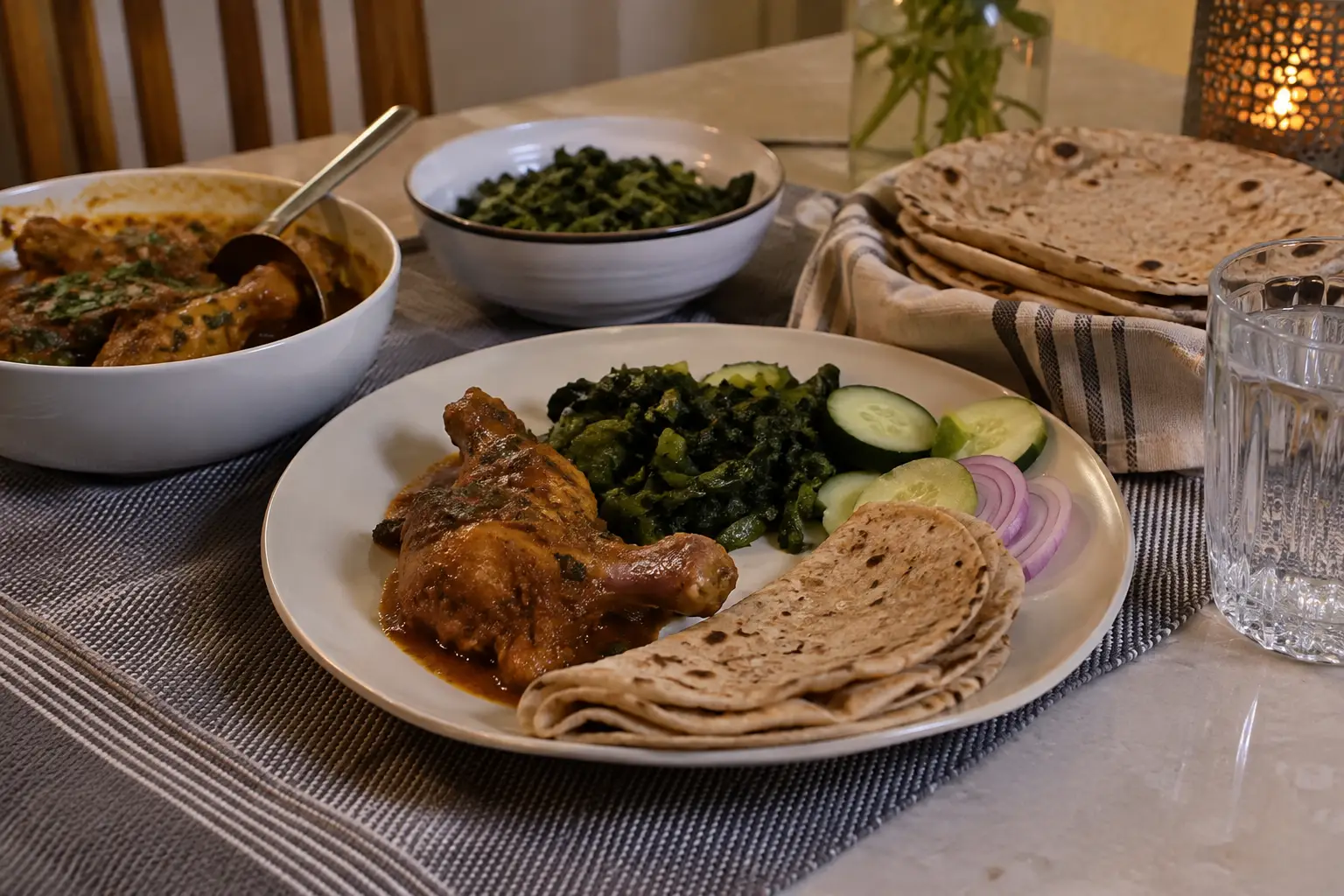
For instance, chicken karahi can fit. Take a sensible portion of chicken and gravy, choose your roti or rice portion, and avoid automatically adding more oil-heavy sides or seconds. You do not have to make the meal “diet food.” The goal is a portion you can repeat without feeling deprived.
If your family serves dinner late, you can eat with them and still follow a plan. If you are home earlier, prepare your portion and keep it for later, or have a small planned snack before the family meal. Choose the option that makes overeating less likely for you.
Night: Notice comfort, sleep, and repeat patterns
Eating close to bedtime is not automatically a problem. But a very large meal may feel uncomfortable for some people and can make settling down harder. If that happens to you, try a smaller dinner, move part of the meal earlier, or leave a little more time between eating and lying down. You do not need a strict rule that applies to everyone.
Avoid judging progress from one morning’s scale reading after a late meal. Food, fluid, and salt can temporarily change scale weight. Look at the trend over several weeks instead, alongside waist measurements and how consistently you follow your plan.
If you want support organizing meals and activity around your schedule, the CU Fit app offers a custom diet based on foods you already eat, daily workouts that unlock as you progress, weekly check-ins, and progress charts. You can also read about tracking weight-loss progress to understand what to review week by week.
Make late dinner part of a workable fat-loss plan
Try this simple routine for one week:
- Keep your usual wake-up and work schedule; do not force meal times that do not fit.
- Choose a filling first meal when you are hungry.
- Eat a proper lunch instead of making it too small to “earn” dinner.
- Use a planned snack if the gap to dinner is long and hunger is building.
- Serve dinner once, eat at a comfortable pace, and pause before deciding on seconds.
- Review your weekly weight and waist trend before changing the plan.
The aim is not to eat as early as possible. It is to make your overall food pattern manageable. If you want a coach to help you build that routine, CU Fit has affordable coaching and progress support. For a more hands-on option with direct 1:1 coaching and weekly check-in reviews, see Premium coaching details. You can also learn about weight loss coaching in Pakistan or Coach Usman’s personal training.
Conclusion: Does eating dinner late cause weight gain if calories stay the same?
Does eating dinner late cause weight gain if calories stay the same? Not simply because dinner happens late. Your overall eating pattern matters, while timing may affect hunger, portions, comfort, and sleep. Keep meals practical, plan for long gaps, and review your progress over time instead of blaming the clock.
Want a plan built around your job and your food? Start with CU Fit at coachusman.fit for an affordable custom diet and workout plan. Want Coach Usman to coach you 1:1? Choose Premium coaching at coachusman.com.
This is general fitness information, not medical advice. Please talk to a doctor before changing your diet or exercise routine, especially if you have a health condition.
FAQ
Does eating dinner late cause weight gain if calories stay the same?
Eating dinner late does not automatically cause fat gain if your overall calorie intake and activity stay similar. Late meals can affect hunger and portions, so focus on the whole routine.
Is it bad to eat dinner right before bed?
It is not automatically bad, but a large meal close to bed may feel uncomfortable for some people. Adjust the portion or timing if it affects your comfort or sleep.
Should I skip lunch if I know dinner will be late?
Usually, skipping lunch is not necessary. A balanced lunch and an optional planned snack can help you arrive at dinner less hungry and make portions easier to manage.
Coach Usman, 12+ years of coaching experience
1:1 online coach for Pakistani men worldwide, building fat-loss plans around real jobs, shifts and desi food.
coachusman.comWant a coach who builds the plan around you?
Coach Usman builds your diet and training around your job, your schedule and the desi food you already eat.
Start with Coach UsmanComments (0)
No comments yet. Be the first.