In this article
- 6:30 AM — Set Your Protein Budget Before Leaving Home
- Decide Which Vegetarian Foods You Eat
- 7:15 AM — Give Breakfast a Measurable Protein Base
- 9:30 AM — Pack One Backup, Not a Bag of Extras
- 12:30 PM — Build a Lunch That Does Not Rely on Dal Alone
- A Practical Packed Lunch
- 3:30 PM — Close a Small Gap Without Turning It Into a Meal
- 6:15 PM — Give the Protein a Reason With Strength Training
- 7:45 PM — Make Dinner Protein-Dense, Not Just Vegetarian
- 9:30 PM — Review How to Get Enough Protein on a Pakistani Vegetarian Diet
Want a plan built around your job and desi food? Try 1:1 online coaching with Coach Usman.
Your lunch box has aloo gobi and two rotis, but the office conversation about protein seems to begin and end with chicken.
You do not eat meat, and you want to lose your belly without living on plain salads. Working out how to get enough protein on a pakistani vegetarian diet can feel confusing when every suggested meal includes something you avoid.
The answer is not simply to eat bigger bowls of dal. It is to spread useful protein foods through your day while keeping total calories suitable for fat loss.
Here is a morning-to-night plan you can adapt around an office job, shared kitchen or changing shift. The times are examples, not rules.
6:30 AM — Set Your Protein Budget Before Leaving Home
Protein helps you maintain muscle while losing weight, especially alongside strength training. But eating more protein does not automatically cause fat loss. You still need an average calorie intake below what you use.
For many healthy adults who lift weights, roughly 1.2–1.6 grams of protein per kilogram of body weight each day is a practical starting range during weight loss. Some people benefit from more, depending on their training and circumstances.
An 80 kg man could start around 96–128 g daily. If you have a lot of weight to lose, do not automatically multiply your current weight and chase a huge number. A sensible reference weight and individual guidance may be more useful.
Start with something repeatable: three meals containing around 25–30 g each, plus a protein-containing snack if needed.
Decide Which Vegetarian Foods You Eat
This plan includes dairy but does not require eggs. If you eat eggs, they are another option. If you avoid all animal foods, use tofu, soy chunks, beans, lentils and suitable soy products instead.
Check what is actually available before planning your week. Greek-style yogurt is not always high in protein, and paneer products can differ greatly in calories.
Your protein target needs a place in your day, not just a number in your app.
7:15 AM — Give Breakfast a Measurable Protein Base
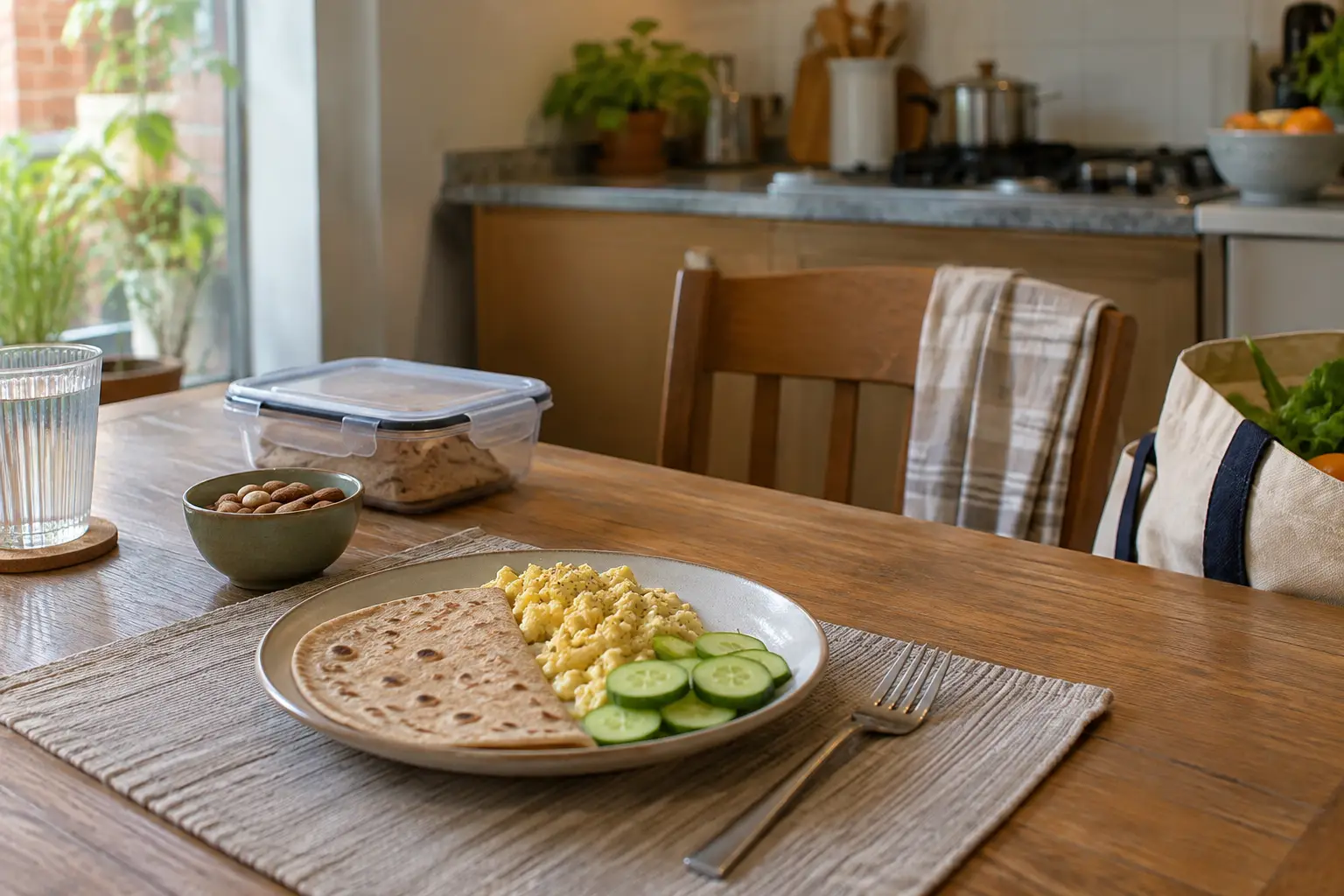
A breakfast of toast and jam may be quick, but it leaves most of your protein work for later. Keep the convenience and change the base.
One dairy-based option is:
- 250 g plain high-protein yogurt: roughly 23–25 g protein and 150–200 calories.
- 40 g oats: about 5 g protein and 150 calories.
- One portion of fruit: roughly 60–100 calories.
That gives around 28–30 g protein for 360–450 calories, depending on the products and fruit.
These are estimates, not universal values. Ordinary plain dahi may provide only 8–10 g protein per 250 g. It is still useful food, but it is not a direct protein equivalent.
Prefer something savoury? Make besan chilla with 60 g gram flour, chopped vegetables and a measured teaspoon of oil. Pair it with 200 g high-protein yogurt. Depending on the yogurt, the meal can provide around 30 g protein for roughly 420–480 calories.
For a dairy-free breakfast, try 200 g firm tofu cooked with tomatoes, cumin and coriander, plus a small roti. Check the tofu label: protein varies widely by brand.
9:30 AM — Pack One Backup, Not a Bag of Extras
When work runs late, the easiest available food often wins. Pack a backup that has a clear job rather than several snacks you eat out of habit.
Useful choices include:
- A sealed pot of high-protein yogurt, kept chilled.
- Roasted chana in a measured portion.
- A carton of unsweetened soy milk with a useful protein content.
- Cooked edamame, if available and kept chilled.
Around 30 g roasted chana provides roughly 6 g protein and 110–120 calories. It is portable and affordable, but it is not a replacement for a meal containing 25–30 g protein.
Nuts are similar: they contain some protein, but calories add up quickly. Treat them as a measured addition, not your main protein source.
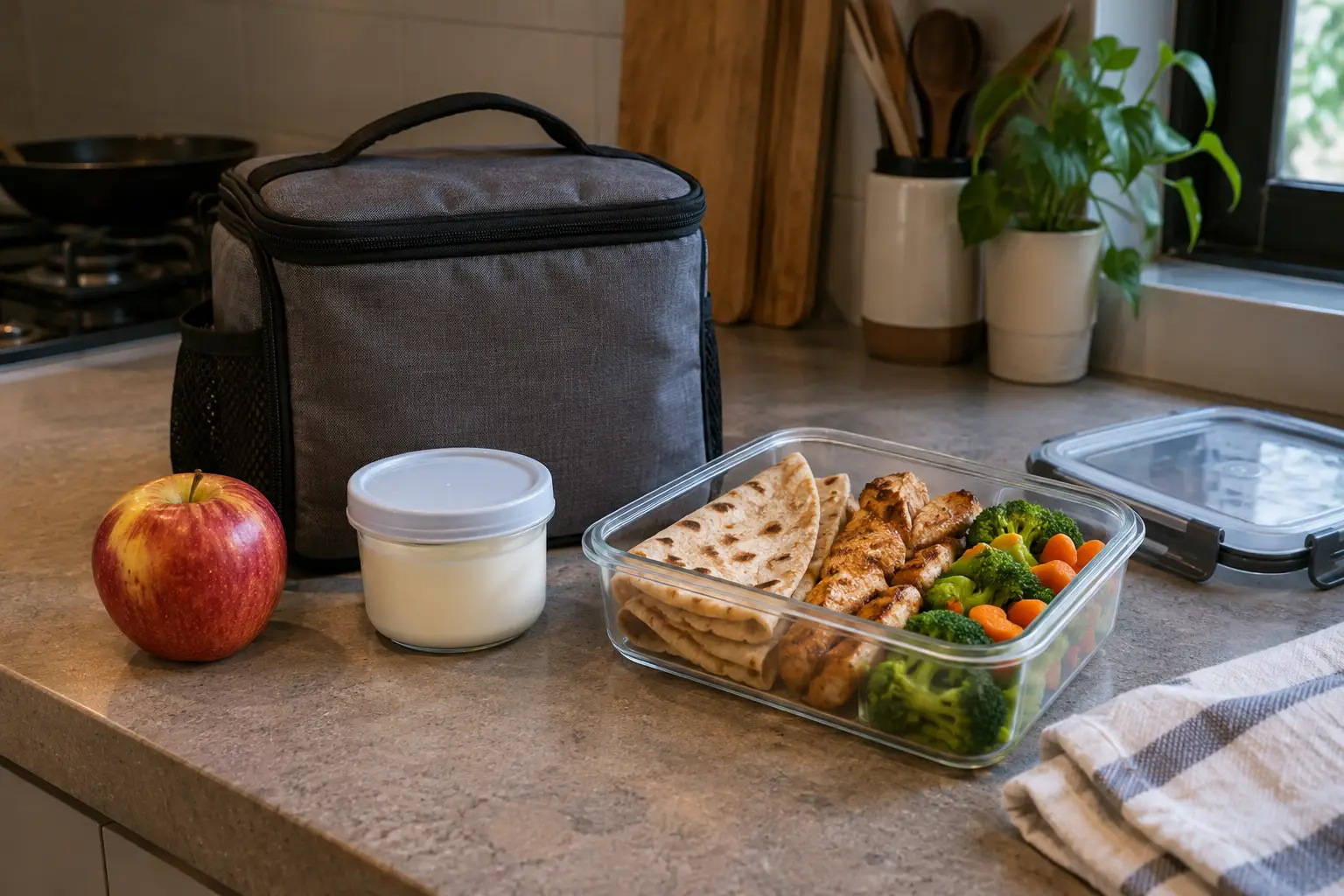
In Gulf heat, dairy and cooked foods need proper refrigeration. Use an insulated bag with an ice pack if your commute is long, and refrigerate lunch when you arrive.
12:30 PM — Build a Lunch That Does Not Rely on Dal Alone
Dal belongs in your plan. The issue is expecting a small, watery serving to provide all the protein you need.
For comparison, these approximate portions provide:
| Food | Protein | Calories |
|---|---|---|
| Cooked lentils, 200 g before added oil | 16–18 g | 220–240 |
| Cooked chickpeas, 150 g | 12–13 g | 240–250 |
| Soy chunks, 40 g dry | 20–21 g | 135–145 |
| Regular paneer, 100 g | 16–20 g | 260–330 |
| Small plain roti, about 30 g flour | 3–4 g | 100–110 |
A thin homemade dal may contain much less lentil per serving than the first row. Oil, ghee and other ingredients change calories too.
A Practical Packed Lunch
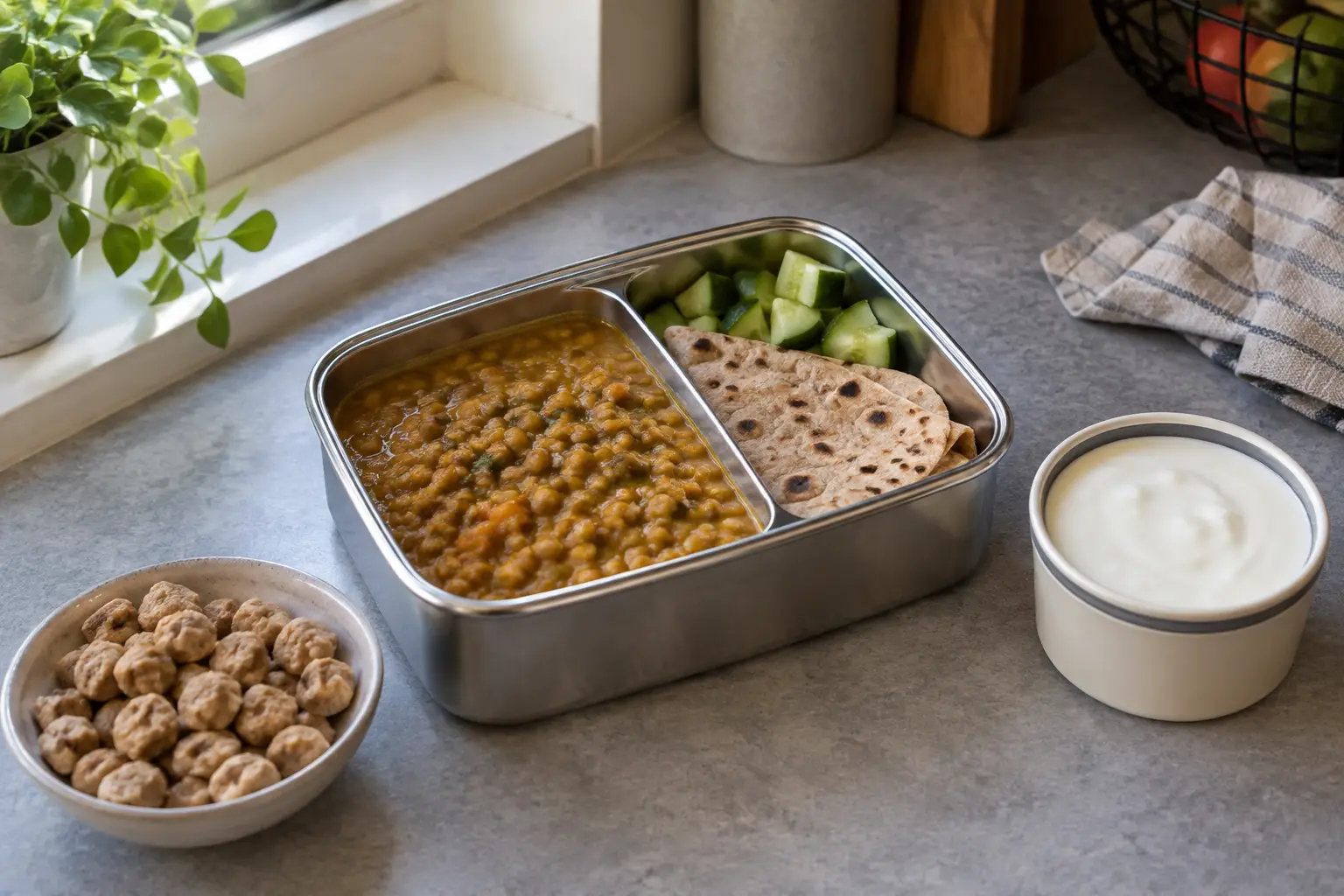
Combine:
- 200 g cooked lentils, prepared as a fairly thick dal.
- 100 g high-protein yogurt on the side.
- One small roti.
- Cucumber, carrots or cooked vegetables.
- A measured amount of cooking oil in your portion.
This can provide around 29–32 g protein, with roughly 450–550 calories depending on preparation.
If you do not eat dairy, replace the yogurt with a suitable portion of tofu. You can also use soy chunks in a vegetable salan instead of having dal every day.
Roti is not the problem. The aim is to stop bread and potatoes taking nearly all the space while protein gets only a spoonful.
If lunch never keeps you satisfied, read this guide to managing hunger while losing weight on a Pakistani diet.
3:30 PM — Close a Small Gap Without Turning It Into a Meal
A planned afternoon snack can help if dinner is late or your meals leave you short of protein. It is optional, not something you must eat because the clock says so.
For example, 170 g high-protein yogurt may provide around 15–17 g protein for 100–140 calories. A 250 ml serving of unsweetened soy milk often provides around 7–9 g, but check the label.
If you eat eggs, two boiled eggs provide approximately 12–13 g protein and 140–160 calories.
Choose one option that fits your day. Do not add yogurt, eggs, nuts and fruit simply because each item sounds healthy.
6:15 PM — Give the Protein a Reason With Strength Training
You do not need a long workout every evening. Two or three manageable strength sessions each week can help you maintain muscle while losing fat.
For a short home session, try:
- Chair squats or backpack squats: 2 sets of 8–12 repetitions.
- Wall or incline push-ups: 2 sets of 6–12.
- One-arm backpack rows: 2 sets of 8–12 per side.
- Glute bridges: 2 sets of 10–15.
Use controlled movement and stop before your technique breaks down. Rest enough to make the next set useful. Start lighter if you are new.
A short walk on non-training days is useful too, but you do not need to earn your dinner through exercise.
For more detail, see how to keep strength while losing weight.
7:45 PM — Make Dinner Protein-Dense, Not Just Vegetarian
A meal can be vegetarian and still contain little protein. Potato curry with rice is one example. Paneer can supply protein, but a large portion cooked in plenty of oil may make your calorie target harder to manage.
Try a soy-chunk and vegetable salan:
- Measure 40 g soy chunks dry, then soak and prepare according to the packet.
- Cook with tomatoes, onions, spinach or other vegetables.
- Allow about one teaspoon of oil for your portion.
- Serve with one small roti and 100 g high-protein yogurt.
Depending on the ingredients, this meal can provide around 34–37 g protein for 400–500 calories.
If you prefer paneer, compare labels and use a portion that fits your calorie budget. Lower-fat versions may offer more protein for fewer calories, but availability varies.
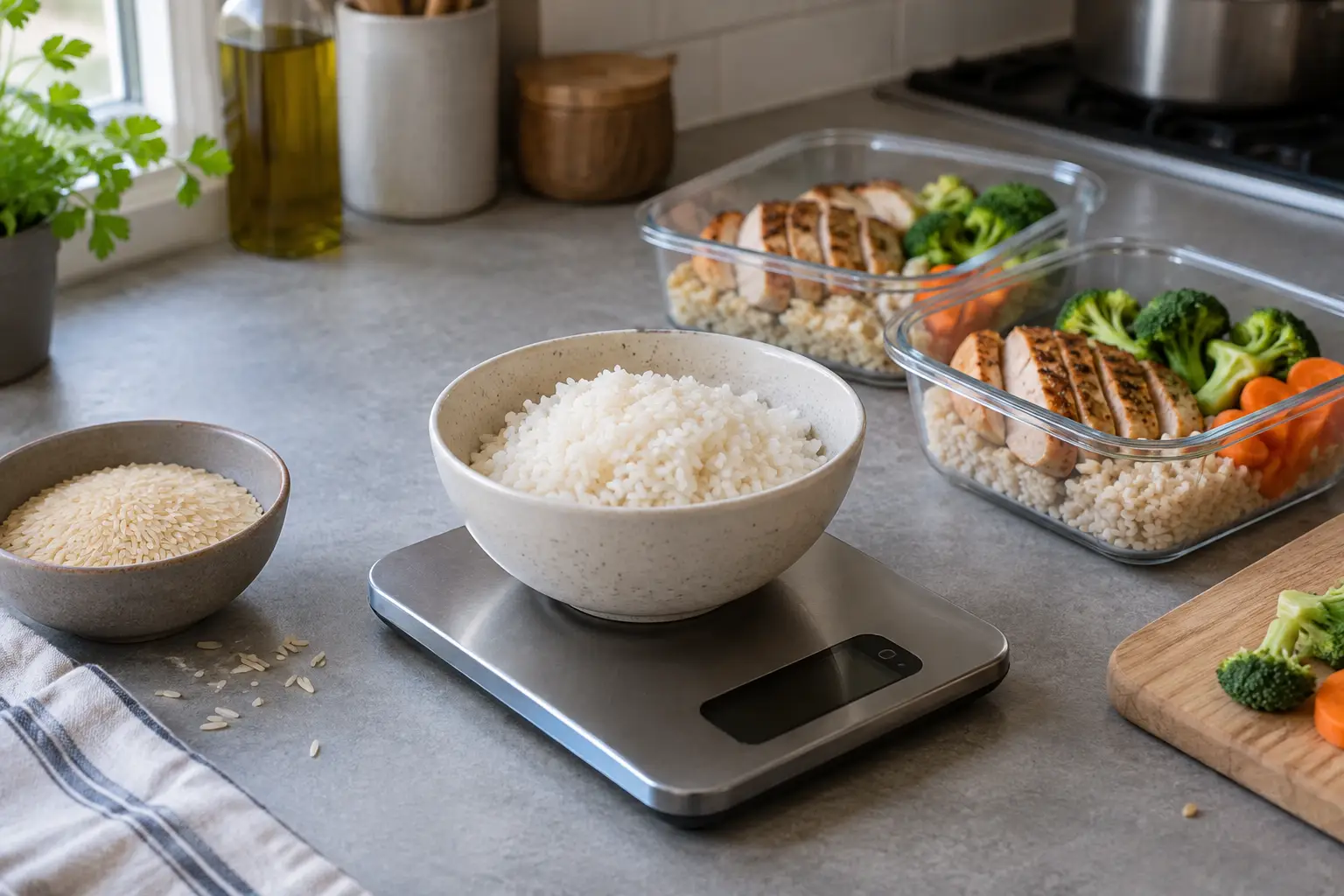
Keep the family salan. You may only need to change the protein portion, measure the oil and choose a suitable amount of roti or rice.
9:30 PM — Review How to Get Enough Protein on a Pakistani Vegetarian Diet
Using the yogurt breakfast, lentil lunch, yogurt snack and soy-chunk dinner above gives approximately:
- Breakfast: 28–30 g protein.
- Lunch: 29–32 g.
- Snack: 15–17 g.
- Dinner: 34–37 g.
- Daily total: about 106–116 g.
That is an illustration, not a complete calorie prescription. Your energy needs may require bigger meals or additional food. Someone smaller or less active may need different portions.
Notice how the protein comes from several ordinary foods. You do not have to depend on one enormous dinner, and you do not have to remove every carbohydrate.
Check your average weight trend, waist measurement, hunger and training over several weeks. If progress stalls, review portions and cooking fats before cutting out useful protein foods.
Understanding how to get enough protein on a pakistani vegetarian diet is mainly about planning portions you can repeat. Pick tomorrow's breakfast, prepare one lunch protein and keep one backup available.
If you want support from a Level 3 Personal Trainer, weight loss coach, explore personal training support in Pakistan or working with a weight loss coach pakistan. You can also see premium coaching and coaching prices.
Want a plan built around your job and your food? Start online coaching with Coach Usman at coachusman.com.
This is general fitness information, not medical advice. Please talk to a doctor before changing your diet or exercise routine, especially if you have a health condition.
FAQ
Can I get enough protein without eating eggs or meat?
Yes. Lentils, beans, tofu and soy chunks can contribute useful protein. If you eat dairy, high-protein yogurt and paneer offer more options. Plan several sources across the day rather than relying on one small serving of dal.
Do I need to combine dal and roti at every meal?
No. Eating a variety of protein foods across the day is generally more important than combining particular foods at every meal. Dal and roti can work well together, but portions still need to fit your protein and calorie needs.
How much protein should I eat while losing weight?
For many healthy adults doing strength training, about 1.2–1.6 g per kilogram of body weight daily is a practical starting range. Your needs may differ, especially if you have substantial weight to lose or dietary restrictions. Check with your doctor if you have a medical condition.
Coach Usman, 12+ years of coaching experience
1:1 online coach for Pakistani men worldwide, building fat-loss plans around real jobs, shifts and desi food.
coachusman.comWant a coach who builds the plan around you?
Coach Usman builds your diet and training around your job, your schedule and the desi food you already eat.
Start with Coach UsmanComments (0)
No comments yet. Be the first.