In this article
- Step 1: How to include paratha in a weight loss breakfast starts with portion size
- Step 2: Choose how it is cooked
- Step 3: Add a protein food beside it
- Step 4: Add fruit or vegetables when you can
- Step 5: Match breakfast to your schedule
- Step 6: Keep the rest of the day in view
- Step 7: Adjust using a few weeks of feedback
- Conclusion: How to include paratha in a weight loss breakfast
Want a plan built around your job and desi food? Try 1:1 online coaching with Coach Usman.
The paratha is hot, the family is getting ready for work, and you are trying to figure out whether it can fit a weight loss breakfast. If you are wondering how to include paratha in a weight loss breakfast, you do not need to ban it or label it a “cheat” food. Your overall food intake and routine matter more than one breakfast item.
Paratha size, dough, and cooking fat can change its calories a lot. A medium plain paratha may provide roughly 250–350 calories and around 5–7 grams of protein, but a large, heavily oiled one can be higher. Treat those figures as estimates, not exact numbers for every homemade recipe.
The goal is to enjoy a portion that suits your day, add filling foods, and avoid turning breakfast into a meal that leaves you hungry again soon. Here is a practical step-by-step approach.
Step 1: How to include paratha in a weight loss breakfast starts with portion size
First, look at the paratha you usually eat. Is it a small one made at home, or a large one from a shop? Is it brushed lightly with oil, or cooked with a generous amount of ghee? These details make a real difference.
For a first step, try one medium paratha rather than automatically taking two. You do not have to weigh it. Use the same plate and portion most mornings so you can notice whether it keeps you satisfied.
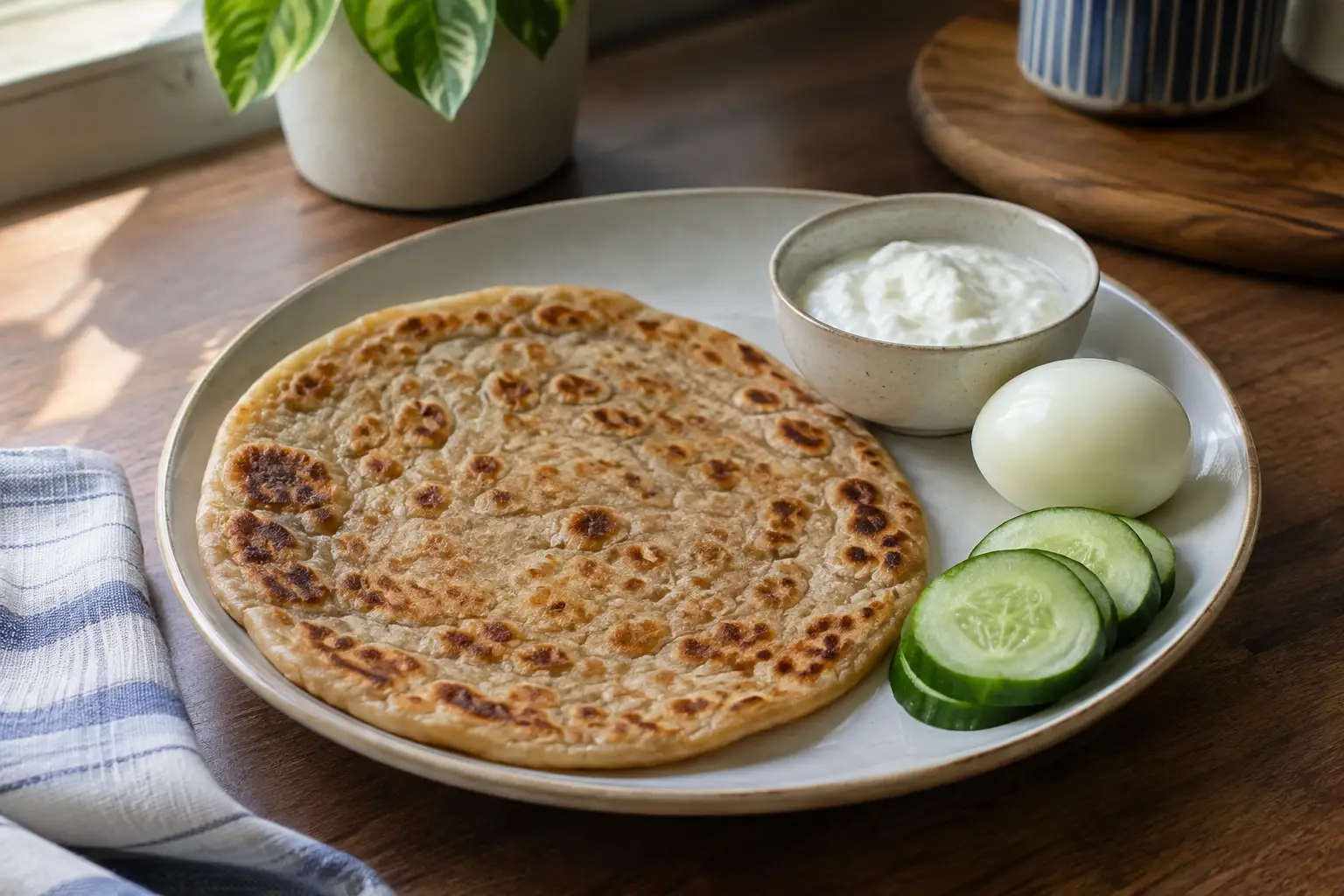
If you are used to eating two, reduce gradually. Have one paratha with an egg and plain yogurt, then check how you feel before reaching for more. You can also save the second one for later if you are genuinely hungry.
Keep in mind that parathas vary widely. A calorie estimate from an app may not match your family recipe, especially if the amount of cooking fat is unknown. For a useful way to think about food entries without chasing perfect numbers, see how to choose a calorie tracking app with Pakistani foods.
A portion you can repeat is more useful than a strict rule you resent.
Step 2: Choose how it is cooked
The dough itself is only part of the picture. Oil or ghee used in the pan adds energy quickly, and an extra spoon can be hard to notice once it is spread across the surface.
Ask whoever is cooking if they can use a measured small amount of oil or ghee, or cook your paratha on a non-stick pan with a light coating. You do not need to make it completely dry if that makes it unpleasant. The point is to use a consistent amount instead of pouring freely.
If you are making it yourself, you can brush a little oil onto the pan rather than adding it from the bottle. If someone else cooks for the household, ask for one paratha cooked with less fat when that feels comfortable. Keep the request simple; you are not asking the whole family to change its meals.
Also notice fillings. A plain paratha and an aloo paratha are not identical meals. Potato filling can make it larger and more satisfying, but added fat and serving size still count. You can enjoy either one; just avoid assuming every version has the same calories.
Step 3: Add a protein food beside it
Paratha is mainly a source of carbohydrate and fat, with some protein from the flour. Adding another protein food can make breakfast more balanced and help it keep you satisfied through a busy morning.
Choose one option that fits your home and budget:
- Two eggs provide roughly 12–14 grams of protein, depending on their size.
- A bowl of plain yogurt can add around 4–10 grams, depending on the amount and type.
- A serving of daal can contribute protein and fibre; its exact amount depends on the recipe and portion.
- Leftover chicken or qeema can work if it is already part of the family meal.
For example, try one medium paratha with two eggs and a small bowl of plain yogurt. Or have one paratha with a portion of daal and cucumber. These are examples, not fixed meal plans; adjust portions to your appetite and day.
Step 4: Add fruit or vegetables when you can
A paratha breakfast does not have to be only bread and tea. Add sliced cucumber, tomato, or other vegetables you enjoy. A piece of fruit is another easy choice if it suits your morning.
This is especially useful when breakfast otherwise feels small but is high in cooking fat. Produce adds volume and variety without requiring a separate complicated recipe. Keep washed fruit or chopped vegetables ready if mornings are rushed.
You do not need to build a perfect plate every day. If you are leaving early for a shift, a boiled egg and fruit packed the night before may be more realistic than cooking a full breakfast. If you eat with family, take the paratha portion you planned and add whatever protein and vegetables are already available.
Step 5: Match breakfast to your schedule
Some men are hungry soon after waking; others prefer to eat later. You do not have to force breakfast at a particular hour to lose fat. Choose a routine that helps you manage hunger and avoid arriving at lunch so hungry that portions become difficult to control.
If you have a long commute or work a shift, plan ahead. You might eat the paratha at home with eggs, or pack a simple protein option for later. If breakfast is shared with family, serve yourself before you are in a rush and keep the rest of the meal out of your immediate reach if that helps you stick to your intended portion.
For some people, a later first meal works better. For others, breakfast makes the workday easier. If you are unsure about meal timing, compare the practical trade-offs in intermittent fasting versus regular meals for weight loss. Either approach can be more manageable when your portions and overall routine suit you.
Step 6: Keep the rest of the day in view
One paratha does not decide whether you lose fat. Look at your full day and week. If breakfast is more filling, you may naturally want a lighter lunch. If you are hungry after a small breakfast, a planned snack may help you avoid picking at food all afternoon.
Do not skip lunch to “pay back” breakfast. Instead, build meals around a sensible portion of rice or roti, a protein food such as chicken, fish, eggs, daal, or beans, and vegetables when available. Your choices do not need to be perfect; repeating reasonable portions most days is the useful part.
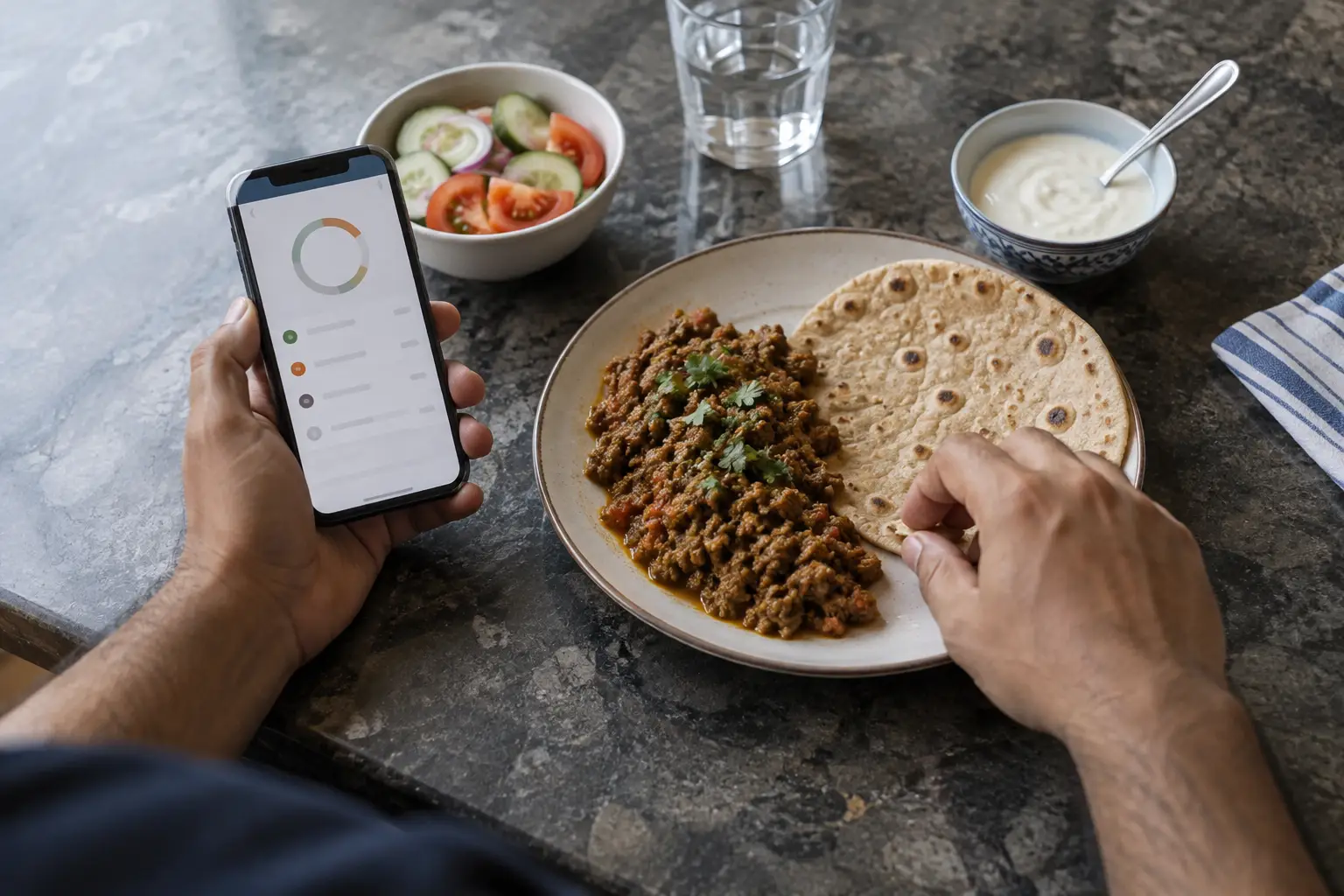
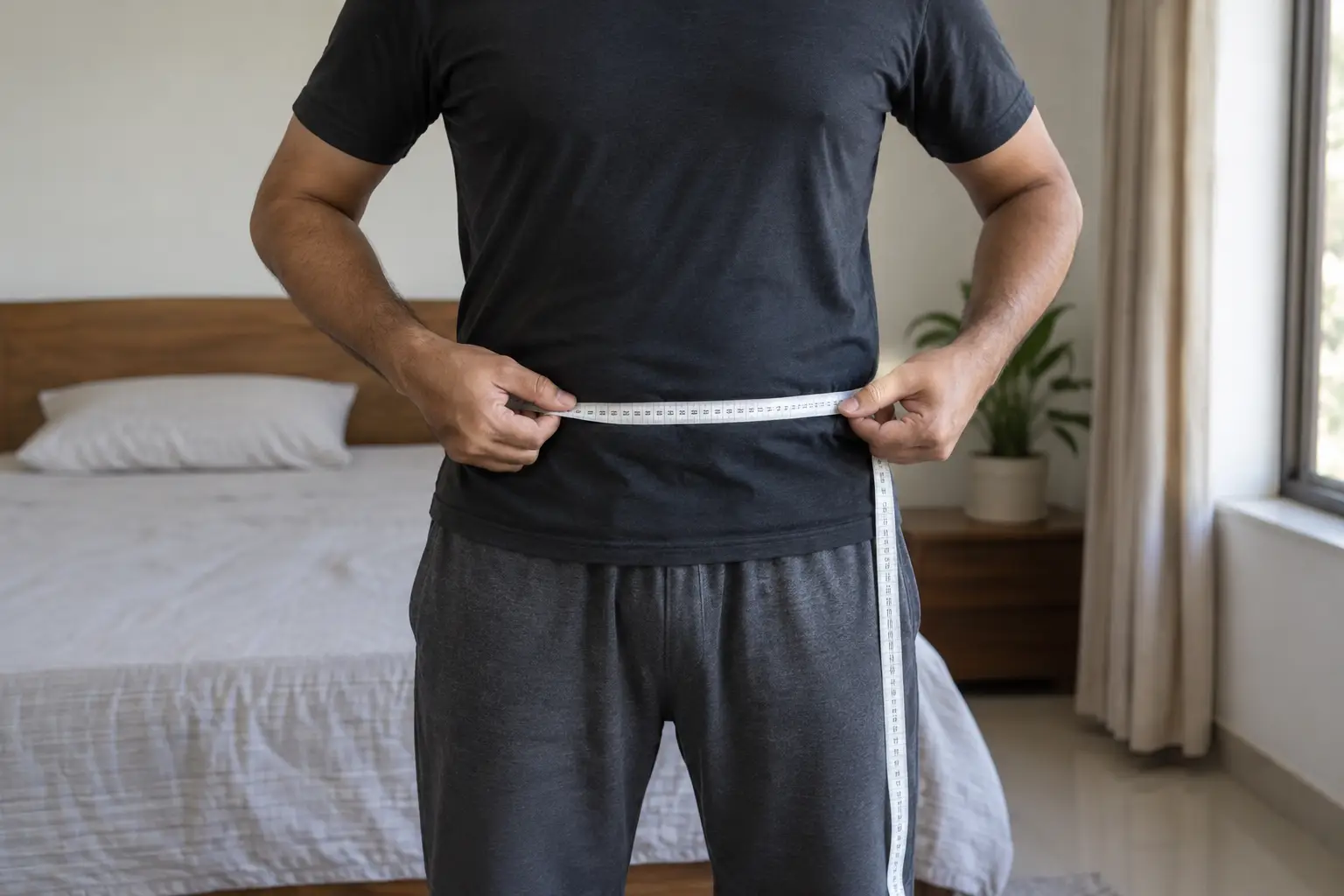
If you track food, record the paratha as a reasonable estimate and keep the entry consistent. Homemade food rarely has a single exact calorie value. If you do not want to count, use the same portion and note whether your weight trend and waist measurement change over several weeks. You can also learn how to measure waist size accurately for fat loss progress.
If planning portions around family meals is becoming hard, the CU Fit app offers a custom diet built around foods you already eat, updated every 30 days. It also includes weekly check-ins with photos, weight and waist, plus progress charts, so you can review patterns rather than judge one breakfast.
Step 7: Adjust using a few weeks of feedback
Try your breakfast plan consistently for a few weeks. Keep the paratha size and cooking method reasonably similar, and pay attention to your hunger, energy, and overall eating pattern. If you are tracking weight, compare weekly averages rather than reacting to one morning’s number. Daily weight can move around for many ordinary reasons.
If your progress is not moving in the direction you want, do not immediately remove paratha. First check the whole routine: Are portions larger on weekends? Are drinks, snacks, or cooking fats adding more than you expected? Are you getting regular movement and training when your schedule allows?
Make one manageable adjustment at a time. You could use a smaller paratha, reduce the cooking fat slightly, or add a protein side so you feel satisfied with one. Keep the choice practical enough to repeat at home, during a busy workweek, and when the family is eating together.
Conclusion: How to include paratha in a weight loss breakfast
To work out how to include paratha in a weight loss breakfast, start with a portion you can repeat, pay attention to cooking fat, and add a protein food. Include fruit or vegetables when they are available, and fit breakfast around your real schedule rather than following a rule that does not suit you.
Paratha does not need to be off the menu. Build a steady routine, review your progress over time, and adjust one thing if needed. If you want help putting desi meals and daily routines into a plan, start with CU Fit. For direct 1:1 support, explore Premium coaching or learn more about weight loss coaching in Pakistan.
This is general fitness information, not medical advice. Please talk to a doctor before changing your diet or exercise routine, especially if you have a health condition.
FAQ
Can I eat paratha for breakfast and still lose weight?
Yes. Paratha can fit into a weight-loss plan when your overall eating pattern supports your goal. Keep an eye on portion size and cooking fat, and consider adding a protein food.
Is plain paratha better than aloo paratha for weight loss?
Neither is automatically best. Size, ingredients, and cooking fat affect the meal. Choose the version and portion that you can include consistently in your overall routine.
What should I eat with paratha to make breakfast more filling?
Try eggs, plain yogurt, daal, or leftover chicken alongside paratha. Add fruit or vegetables if available, and choose portions that suit your hunger and day.
Coach Usman, 12+ years of coaching experience
1:1 online coach for Pakistani men worldwide, building fat-loss plans around real jobs, shifts and desi food.
coachusman.comWant a coach who builds the plan around you?
Coach Usman builds your diet and training around your job, your schedule and the desi food you already eat.
Start with Coach UsmanComments (0)
No comments yet. Be the first.