
In this article
- Mistake: Assuming intermittent fasting causes more fat loss by itself
- Mistake: Choosing a fasting window that clashes with your shift
- Mistake: Treating regular meals as constant eating
- Mistake: Breaking a fast with a huge meal
- Mistake: Using a fasting window to ignore food quality and portions
- Mistake: Assuming hunger means you must quit—or push harder
- Mistake: Expecting one week of scale changes to settle the debate
- Mistake: Treating a missed window or meal as a ruined day
- Intermittent fasting vs regular meals for weight loss for Pakistani men: how to choose
Want a plan built around your job and desi food? Try 1:1 online coaching with Coach Usman.
Your workday runs long, the family meal is served when you get home, and advice online says you should either skip breakfast or eat every few hours.
If you are comparing intermittent fasting vs regular meals for weight loss for Pakistani men, the useful question is not which schedule sounds stricter. It is which one helps you manage portions, feel reasonably satisfied and keep going through busy workdays and family meals.
Intermittent fasting sets a window for eating and fasting. Regular meals spread food across the day. Neither schedule guarantees fat loss. Your overall food intake and consistency matter more than the number of meals or the clock.
I coach men who have shifts, desk jobs and meals built around familiar foods. My advice is to test a routine against your real week—not against someone else’s rules.
“Choose the schedule that makes your next good choice easier, not the one that makes you feel most restricted.”
Mistake: Assuming intermittent fasting causes more fat loss by itself
Fasting can reduce how often you eat, but that does not automatically mean you eat less overall. A short eating window can still include very large portions, frequent snacks or rich meals that outweigh the reduction from skipping an earlier meal.
Regular meals can support fat loss too, provided the portions and food choices fit your needs. Eating breakfast is not a requirement for weight loss, and skipping it is not a shortcut that works for everyone.
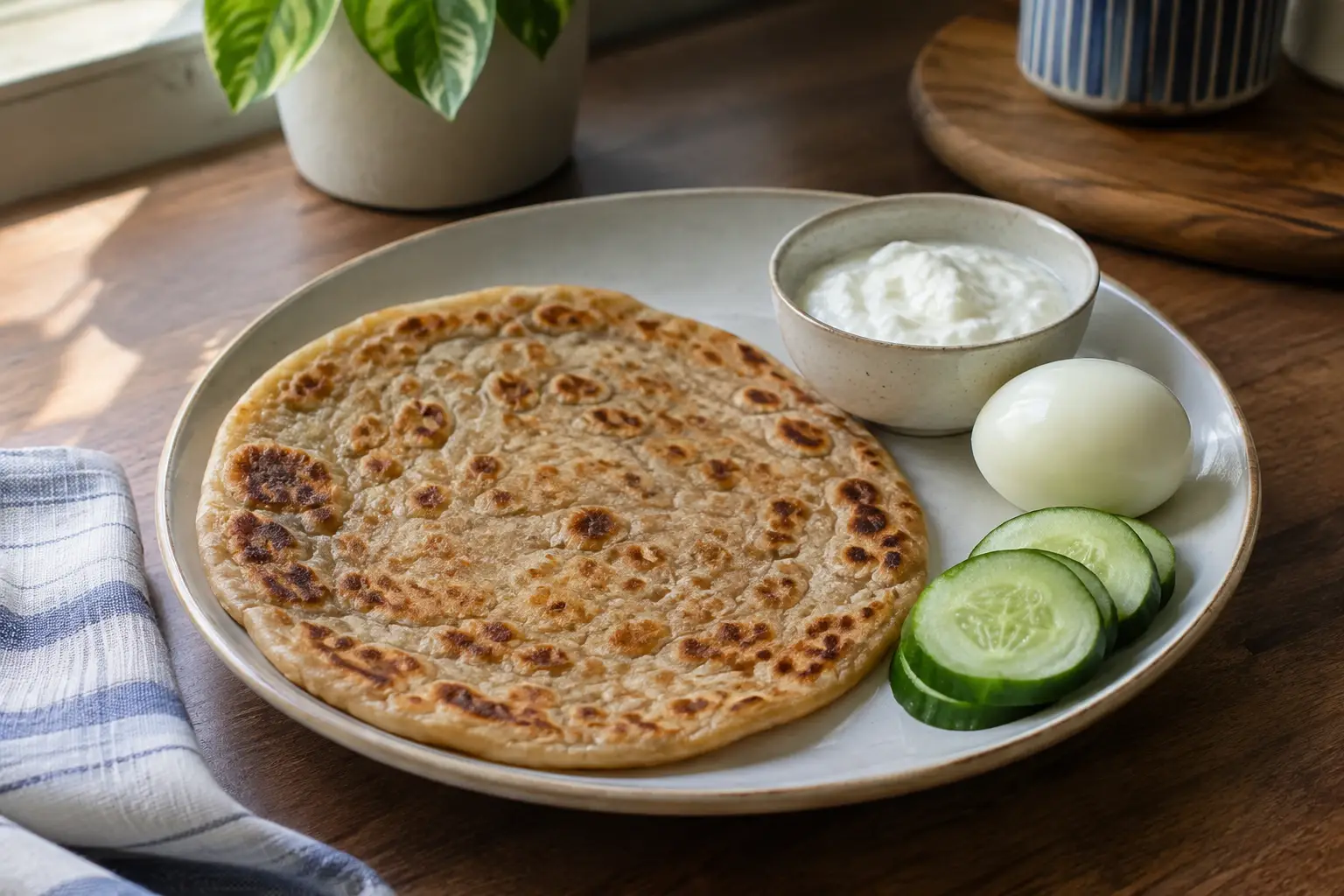
Fix: Treat the schedule as a way to organise eating, not as the fat-loss mechanism. Start by planning the meals you usually have. For example, a plate with chicken, daal or eggs, a sensible serving of roti or chawal, and vegetables can work within either approach. Adjust portions to suit your hunger and progress rather than expecting a meal schedule to do the work for you.
Mistake: Choosing a fasting window that clashes with your shift
A fasting schedule that looks easy on paper can be awkward during a long shift, an early commute or a late finish. If you go many hours without food and then arrive home extremely hungry, it may be harder to slow down and serve a reasonable dinner.
That does not mean fasting is wrong for you. It means the schedule should fit your daily commitments, including family meals and prayer or work routines.
Fix: Map your usual day before picking a window. Write down when you wake, work, take breaks, train and eat with your family. If you try fasting, choose a window that includes meals at practical times. If that makes your routine difficult, eat regular meals instead. Men working across the Gulf or travelling between sites may need a plan that can shift with their roster, not a rigid start time.
Mistake: Treating regular meals as constant eating
“Regular meals” does not have to mean eating every two hours or carrying food all day. Adding snacks because you believe you must keep your metabolism busy can make your routine more complicated without helping you manage your overall intake.
Fix: Pick a meal pattern you can follow without constant decisions. That could mean three meals, or two meals and a planned snack if your workday is long. Include a protein-rich food at meals where practical: eggs, chicken, fish, lean meat, daal or yoghurt. For rough context, two eggs provide about 12–14 grams of protein, while a cooked cup of daal often provides around 15–18 grams, depending on the type and preparation.
The figures are estimates; recipes and serving sizes vary. If you want to understand portions without making food logging another full-time job, see my guide on how to lose weight without counting calories every day.
Mistake: Breaking a fast with a huge meal
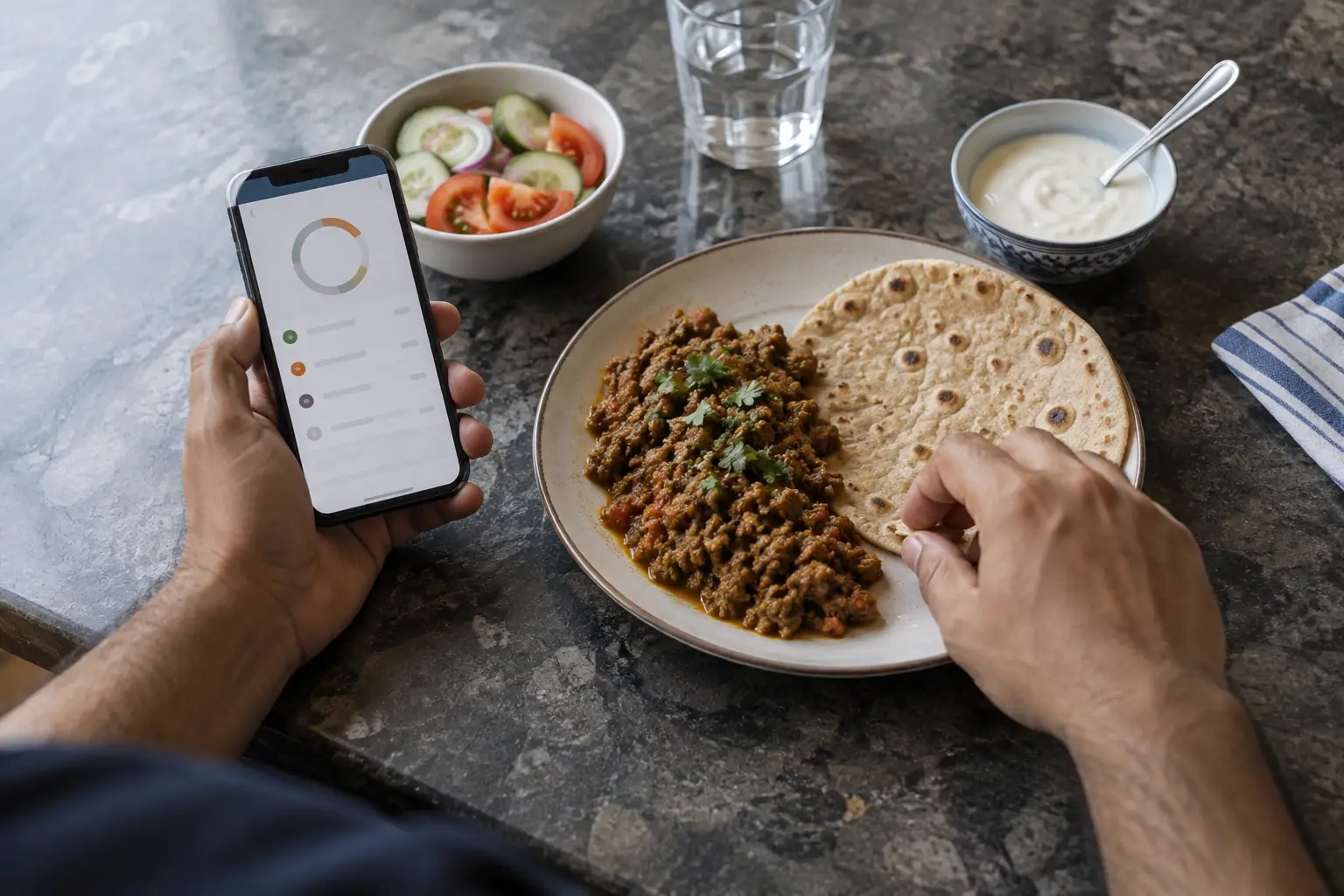
After a long gap without food, it is easy to treat the first meal as a reward. A large serving of oily qeema, several rotis, snacks and sweetened drinks can quickly make a planned fasting routine less useful for your goal. The issue is not that one food is forbidden. It is that arriving overly hungry can make portions harder to judge.
Fix: Plan your first meal before the fasting window ends. Put a protein source and vegetables or salad on the plate, then choose a portion of roti or chawal that feels manageable. Eat at a steady pace and pause before taking more. If you still feel hungry, decide calmly whether another serving makes sense.
A regular meal pattern can make this easier if long gaps leave you ravenous. Some men do better with a planned meal before the commute home, while others prefer to eat once they are with family. Test what reduces unplanned eating for you. For more practical ideas, read how to manage hunger while losing weight on a Pakistani diet.
Mistake: Using a fasting window to ignore food quality and portions
A fasting schedule does not make every meal automatically balanced. You still need meals that support your daily routine and help you feel satisfied. At the same time, you do not need to remove every traditional food from your table.
Fix: Build a repeatable plate rather than chasing a perfect menu. For example, have grilled chicken or a portion of daal, one or two rotis based on your needs, and a generous serving of cooked vegetables. At another meal, eggs with roti and fruit may be a practical option. Use cooking oil and rich gravies thoughtfully, because they can add energy without making a meal much larger.
If rice is part of your regular dinner, it does not need to be banned because of the time you eat it. My guide explains whether eating rice at night stops weight loss.
Mistake: Assuming hunger means you must quit—or push harder
Some people feel fine with a later first meal. Others find that fasting affects their concentration, mood or ability to manage meals. Meanwhile, someone using regular meals may feel hungry between planned meals. Neither experience means you have failed.
Fix: Notice patterns for a week or two. Ask yourself:
- Am I getting overly hungry before my next meal?
- Do I end up eating much more after a long gap?
- Can I follow this routine on workdays and weekends?
- Does it work when I eat with family?
- Can I train comfortably and keep the plan manageable?
If fasting repeatedly leads to overeating or makes work difficult, switch to regular meals. If regular meals lead to unplanned grazing, try clearer meal times and a planned snack—or test a fasting window if it suits you. The point is to find a pattern you can repeat.
Mistake: Expecting one week of scale changes to settle the debate
Body weight moves around from day to day. Food volume, hydration and salty meals can affect the number on the scale, so a single weigh-in cannot prove that fasting or regular meals are better for you.
Fix: Compare consistent check-ins over several weeks. Weigh under similar conditions, such as in the morning after using the bathroom, and look at the trend rather than reacting to one reading. You can also track waist measurements, photos and how your clothes fit. Keep your routine fairly steady while you assess it; changing meal timing and portions every few days makes the results hard to interpret.
For help organising a plan around familiar foods, the CU Fit app offers a custom diet based on the food you already eat, refreshed every 30 days, along with daily workouts that unlock as you progress. It also includes weekly check-ins with photos, weight and waist measurements, and progress charts.
Mistake: Treating a missed window or meal as a ruined day
A late meeting, a family invitation or a disrupted shift can change your plan. If you fast and eat earlier than planned, you have not ruined the day. If you eat regular meals and miss one, you do not need to compensate by skipping food later.
Fix: Return to your next planned meal. Keep the portion reasonable, include protein where you can, and carry on with your usual activity. Avoid turning one change in schedule into an all-or-nothing rule. If shared meals are common at home, make a flexible plan that leaves room for them rather than expecting every day to follow an identical timetable.
Intermittent fasting vs regular meals for weight loss for Pakistani men: how to choose
Try one approach for a couple of weeks while keeping your food choices and portions reasonably consistent. You might compare a fasting schedule that fits your shift with a pattern of three planned meals. Keep notes on hunger, energy, convenience and whether you stick to your portions. Do not judge the trial by one day on the scale.
Choose intermittent fasting if a shorter eating window feels natural, suits your commitments and does not trigger overeating. Choose regular meals if you prefer predictable meal breaks or long gaps make you too hungry. You can also use a flexible pattern that changes with your workday; there is no rule that says every day must look identical.
If your routine needs more structure, CU Fit adds weekly check-ins and a bad-day reset to help you get back to your plan after a slip. Coach Usman personally reviews your progress after 6 check-ins. For men who want direct chat and weekly check-in reviews, Premium 1:1 coaching details and pricing are available too. You can also learn about a weight loss coach in Pakistan.
Want a plan built around your job and your food? Start with CU Fit at coachusman.fit for an affordable custom diet and workout plan. Want Coach Usman to coach you 1:1? Choose Premium coaching at coachusman.com.
This is general fitness information, not medical advice. Please talk to a doctor before changing your diet or exercise routine, especially if you have a health condition.
FAQ
Is intermittent fasting better than regular meals for weight loss?
Not automatically. Either approach can support weight loss if it helps you manage your overall food intake and follow a routine consistently. Choose the schedule that fits your appetite, work and family meals.
Can Pakistani men eat roti or chawal while intermittent fasting?
Yes. Fasting does not require removing roti or chawal. Pay attention to portions and build meals around foods that help you feel satisfied, such as eggs, chicken, daal, vegetables or yoghurt.
Should I keep fasting if I overeat after the fasting window?
If long gaps regularly leave you extremely hungry and lead to overeating, try a different eating window or regular planned meals. Choose a routine you can maintain without needing to compensate for meals.
Do I need to eat every few hours to lose weight?
No. Regular meals do not have to mean constant eating. Choose a meal pattern that suits your workday and helps you manage portions and hunger.
Can I change between fasting and regular meals on different days?
You can use a flexible schedule if it works for your commitments. Keep the overall routine manageable and notice whether changing meal times leads to more hunger or unplanned eating.
How long should I try a meal schedule before judging it?
Try it consistently for a couple of weeks, keeping portions and food choices reasonably steady. Consider hunger, energy, convenience and weight trends over time rather than one day’s scale reading.
Coach Usman, 12+ years of coaching experience
1:1 online coach for Pakistani men worldwide, building fat-loss plans around real jobs, shifts and desi food.
coachusman.comWant a coach who builds the plan around you?
Coach Usman builds your diet and training around your job, your schedule and the desi food you already eat.
Start with Coach UsmanComments (0)
No comments yet. Be the first.