In this article
- Is Steps vs Gym for Fat Loss the Right Comparison?
- If I Only Have 30 Minutes Today, Which Should I Choose?
- Do I Need 10,000 Steps Before the Gym Counts?
- What Would a Balanced Week Look Like?
- What Should I Do During a Short Gym Session?
- Can More Steps Make Up for Large Desi Meals?
- What If the Gym Makes Me Move Less Afterwards?
- How Do I Know Whether This Mix Is Working?
- How Can I Build This Around My Own Job and Food?
Want a plan built around your job and desi food? Try 1:1 online coaching with Coach Usman.
Your cousin says to hit 10,000 steps, your colleague says to lift weights, and you have barely enough time for either before dinner.
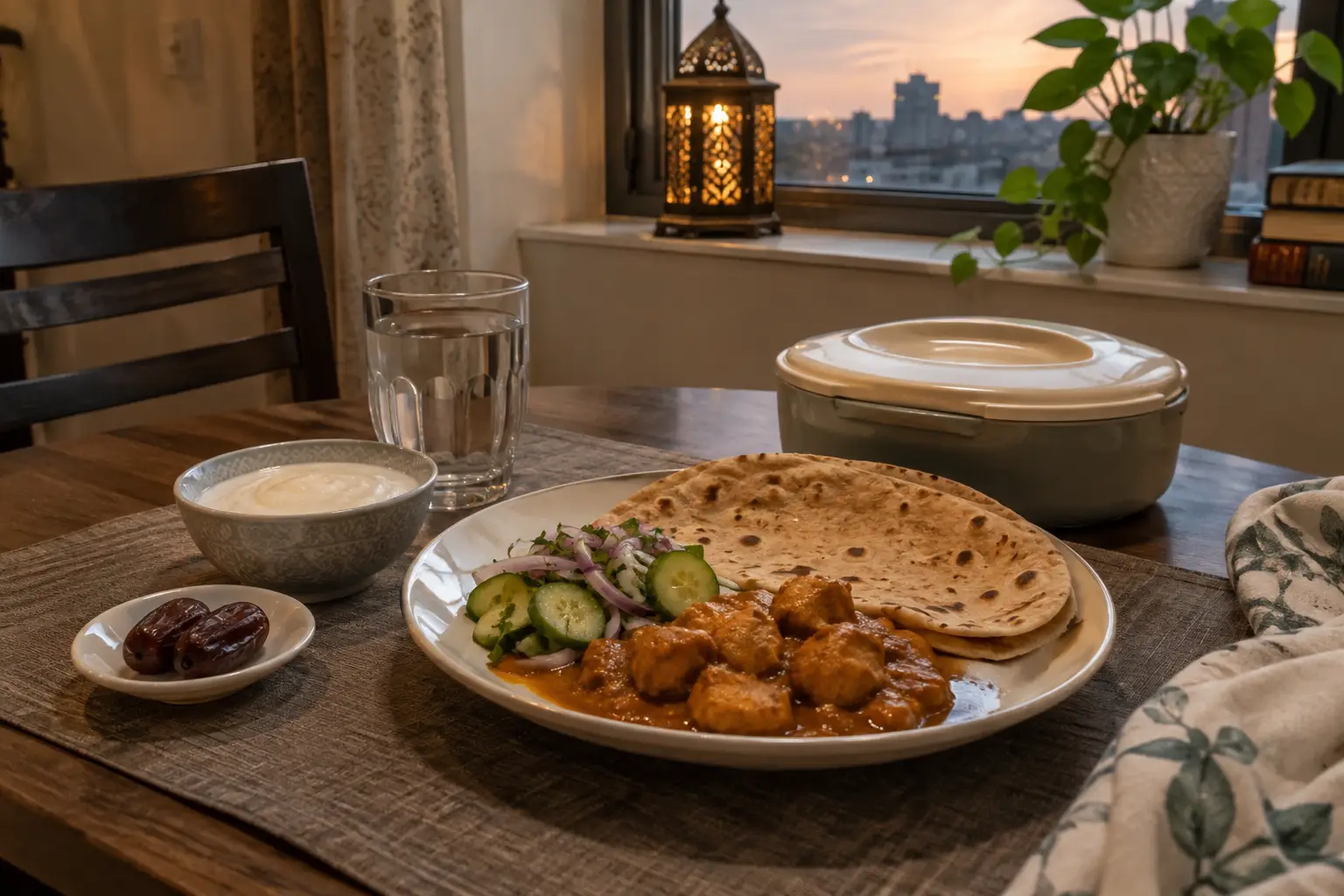
Meanwhile, the roti is ready, your family wants you home, and your phone says you still need another 4,000 steps.
The steps vs gym for fat loss debate often misses the real question: where should your next available half-hour go?
For a busy Pakistani man working in the UAE, the answer should not require endless treadmill time or five gym visits a week. Walking and lifting have different jobs. Once you understand those jobs, you can stop making them compete.
Is Steps vs Gym for Fat Loss the Right Comparison?
Not quite. Steps measure movement. The gym is a place where you can do several types of exercise.
For this comparison, “gym” means strength training: using machines, dumbbells, or other resistance to make your muscles work against a challenging load.
Here is what each part contributes:
- Walking: adds movement and energy use, usually with relatively little fatigue.
- Strength training: helps you build or maintain muscle, including while losing weight.
- Food choices and portions: help create the calorie deficit needed for fat loss.
You can lose weight without a gym membership. You can also visit the gym regularly and not lose weight if your food intake matches or exceeds your energy needs.
But if you want a smaller waist while keeping your strength and muscle, walking alone does not offer the same training stimulus as lifting.
Walking and lifting are teammates, not substitutes.
If I Only Have 30 Minutes Today, Which Should I Choose?
Look at what your week is missing rather than asking which activity sounds better.
If you have done no strength training this week: use that window for a short full-body session, assuming you feel ready to train. A dedicated training slot is often harder to find than several small opportunities to walk.
If you have already completed two strength sessions but barely moved today: a walk is a useful choice. You do not need another gym visit simply because walking feels less serious.
If yesterday's session left you unusually sore or tired: an easy walk may fit better than another demanding workout.
If your job already involves lots of walking: more steps might not be your biggest gap. Strength training, food portions, or enough rest may deserve attention first.
This is not a rule that lifting always wins. It is a way to spend limited time on the part of your plan that needs it most.
Do I Need 10,000 Steps Before the Gym Counts?
No. A strength workout still counts if your phone shows 3,500 steps.
Step counters do not capture all useful exercise. A controlled set of rows can challenge your back without adding much to your daily step total. Cycling and swimming are also poorly represented by steps.
Rather than borrowing someone else's target, record your usual steps for a week. Keep your phone or watch with you consistently enough to make the comparison useful.
Then choose a manageable increase. If you average around 4,000 steps, an initial average of 5,000 may be more practical than suddenly demanding 10,000 every day. Stay there until it fits comfortably before considering more.
There is no magic step count that guarantees weight loss. Your starting point, available time, food intake, and ability to recover all matter.
What Would a Balanced Week Look Like?
Start with two full-body strength sessions on non-consecutive days and a realistic walking target. Treat this as a starting template, not a test you must pass.
A simple office-worker week could look like this:
- Monday: full-body strength session, about 30–40 minutes.
- Tuesday: normal daily movement plus a comfortable walk.
- Wednesday: walking spread across available breaks.
- Thursday: second full-body strength session.
- Friday: ordinary movement without an extra workout requirement.
- Saturday: a longer easy walk if you have time and enjoy it.
- Sunday: flexible movement and a quick review of next week's schedule.
Your gym days do not need your highest step totals. Keep some normal movement, but do not turn every training day into two separate exercise projects.
In the UAE, outdoor walking may be impractical during hot periods. An indoor corridor where walking is allowed, a shopping centre, or a treadmill can work. Avoid making peak-heat walks part of your plan, and keep water available.
If your schedule changes regularly, this guide to planning fat loss around your work roster can help you place sessions where they actually fit.
What Should I Do During a Short Gym Session?
Choose a few movements you can repeat and track. You do not need to visit every machine.
Here is a simple hotel-gym or regular-gym session:
- Warm up: spend about five minutes moving easily and practising lighter versions of your exercises.
- Goblet squat or leg press: two sets of 8–12 repetitions.
- Dumbbell bench press or chest-press machine: two sets of 8–12 repetitions.
- Seated cable row or supported dumbbell row: two sets of 8–12 repetitions.
- Dumbbell Romanian deadlift: two sets of 8–12 repetitions, if you know the movement.
Rest roughly one to two minutes between working sets, or longer if needed to repeat the exercise with control. Choose weights that leave you feeling you could complete another two or three good repetitions.
If an exercise is unfamiliar, get guidance rather than guessing. This guide to learning strength-training equipment before adding weight covers that starting point.
Write down your weights and repetitions. Over time, aim to do a little more with the same controlled technique. Finishing exhausted is not the only sign of a useful session.
Can More Steps Make Up for Large Desi Meals?
Trying to repay meals with exercise makes planning harder. Walking takes time, and the energy used varies with body size, pace, terrain, and other factors.
Food portions can also change without looking dramatically different. Extra oil in a curry or a larger rice serving can raise energy intake while your plate still looks familiar.
Use these rough food estimates as context, not exact numbers:
- One medium plain roti, made with about 30 g of atta: around 100–120 calories and 3–4 g protein, before added oil or ghee.
- One cup of cooked plain rice: around 200–240 calories and 4–5 g protein.
- 100 g of cooked skinless chicken breast: around 160–170 calories and about 30 g protein, before sauces or cooking oil.
- One cup of cooked lentils: around 200–240 calories and 15–18 g protein, before added tadka.
Recipes and serving sizes vary, especially with takeaway food.
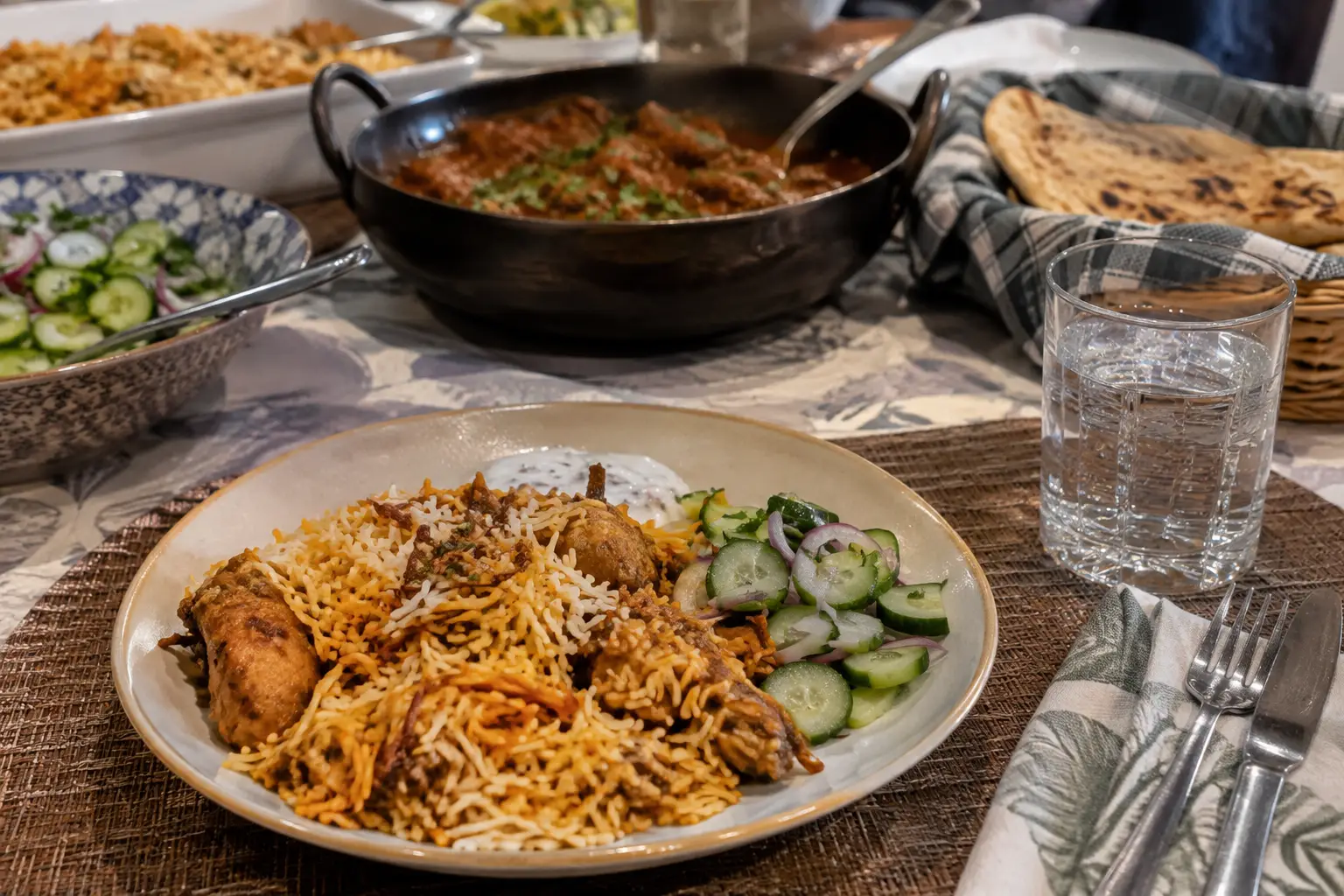
A practical dinner could be two medium rotis, a serving of chicken, and vegetables. Another option is daal, a measured serving of rice, and plain yogurt. Adjust portions to your needs rather than copying a fixed “fat-loss plate” forever.
Keep meals reasonably consistent whether you walk or lift. You do not need to reward a workout with a larger dinner or punish a missed walk by skipping food.
What If the Gym Makes Me Move Less Afterwards?
This is worth noticing. A hard workout may leave you spending the rest of the evening on the sofa, especially when you are new to training.
That does not make the workout useless. It means the full week matters more than one impressive session.
For two weeks, observe:
- Are your steps much lower on training days?
- Are sessions leaving you tired enough to avoid normal tasks?
- Are you adding snacks because the workout made you feel you had “earned” them?
- Is travel to the gym taking more time than the session itself?
If the plan is too demanding, shorten sessions or reduce the number of exercises. Keep enough energy for normal life.
You are trying to build a repeatable week, not win one evening and spend two days recovering from it.
How Do I Know Whether This Mix Is Working?
Use more than your step streak.
Track your body-weight trend under similar conditions, measure your waist consistently every few weeks, and keep a simple workout log. Also notice how manageable the plan feels.
Daily scale changes can reflect water, food in your digestive system, and other short-term factors. A new lifting routine can temporarily make the scale harder to interpret, so avoid judging it after just a few days.
After several consistent weeks:
- Weight or waist gradually decreasing, strength fairly steady: your mix may be doing its job.
- No downward trend: check meal portions and consistency before adding lots of exercise.
- Constant fatigue or falling workout performance: review food intake, training demands, and rest before increasing steps.
Change one main thing at a time. Otherwise, you will struggle to learn what actually helped.
How Can I Build This Around My Own Job and Food?
Choose two realistic strength-training windows. Measure your current walking level. Then set a modest movement target that leaves room for work, family, and sleep.
That is a stronger starting point than choosing between “steps only” and “gym every day.”
If you want help adapting this to Gulf working hours and indoor walking options, explore online fitness coaching in the UAE.
Coach Usman is a Certified Weight Loss Coach by NSFT and offers 1-on-1 online coaching through the My Coach app. You can review online coaching options and pricing before deciding.
Want a plan built around your job and your food? Start online coaching with Coach Usman at coachusman.com.
This is general fitness information, not medical advice. Please talk to a doctor before changing your diet or exercise routine, especially if you have a health condition.
FAQ
Can I lose belly fat with steps alone?
Walking can support a calorie deficit, but it cannot target belly fat specifically. Food portions matter too. Strength training adds a useful muscle-maintenance stimulus while you lose weight.
Should I walk before or after lifting?
A short, easy walk can be part of your warm-up. If strength training is your priority, avoid tiring yourself out with a long or demanding walk beforehand. Longer walks can happen afterwards or at another time.
Is lifting twice a week enough to start?
Two well-planned full-body sessions can be a useful starting point. Consistent practice, suitable effort, and gradual progress matter more than immediately adding more gym days.
What if walking or lifting causes pain?
Do not push through pain or chase a target at the expense of comfort. Stop the painful activity and seek appropriate professional guidance. Check with your doctor if you have a medical condition.
Coach Usman, 12+ years of coaching experience
1:1 online coach for Pakistani men worldwide, building fat-loss plans around real jobs, shifts and desi food.
coachusman.comWant a coach who builds the plan around you?
Coach Usman builds your diet and training around your job, your schedule and the desi food you already eat.
Start with Coach UsmanComments (0)
No comments yet. Be the first.